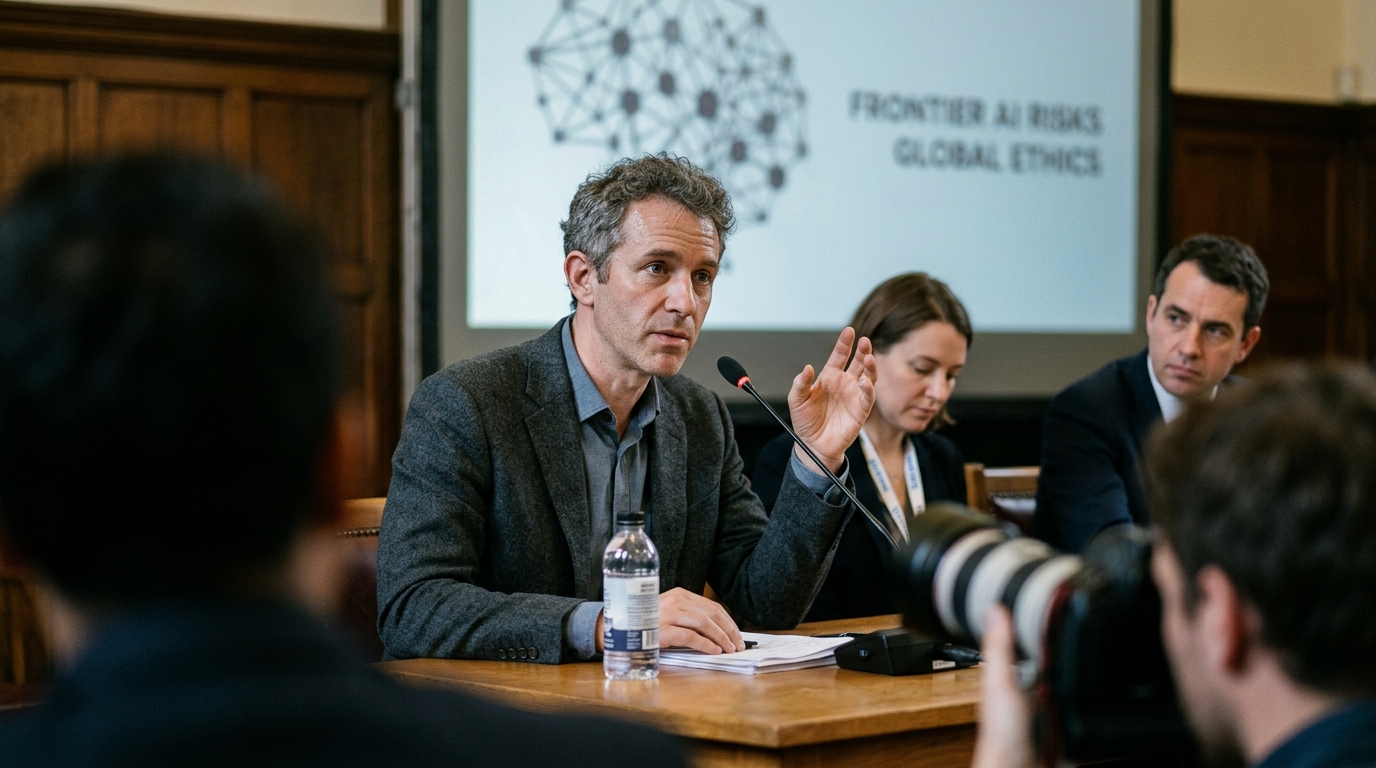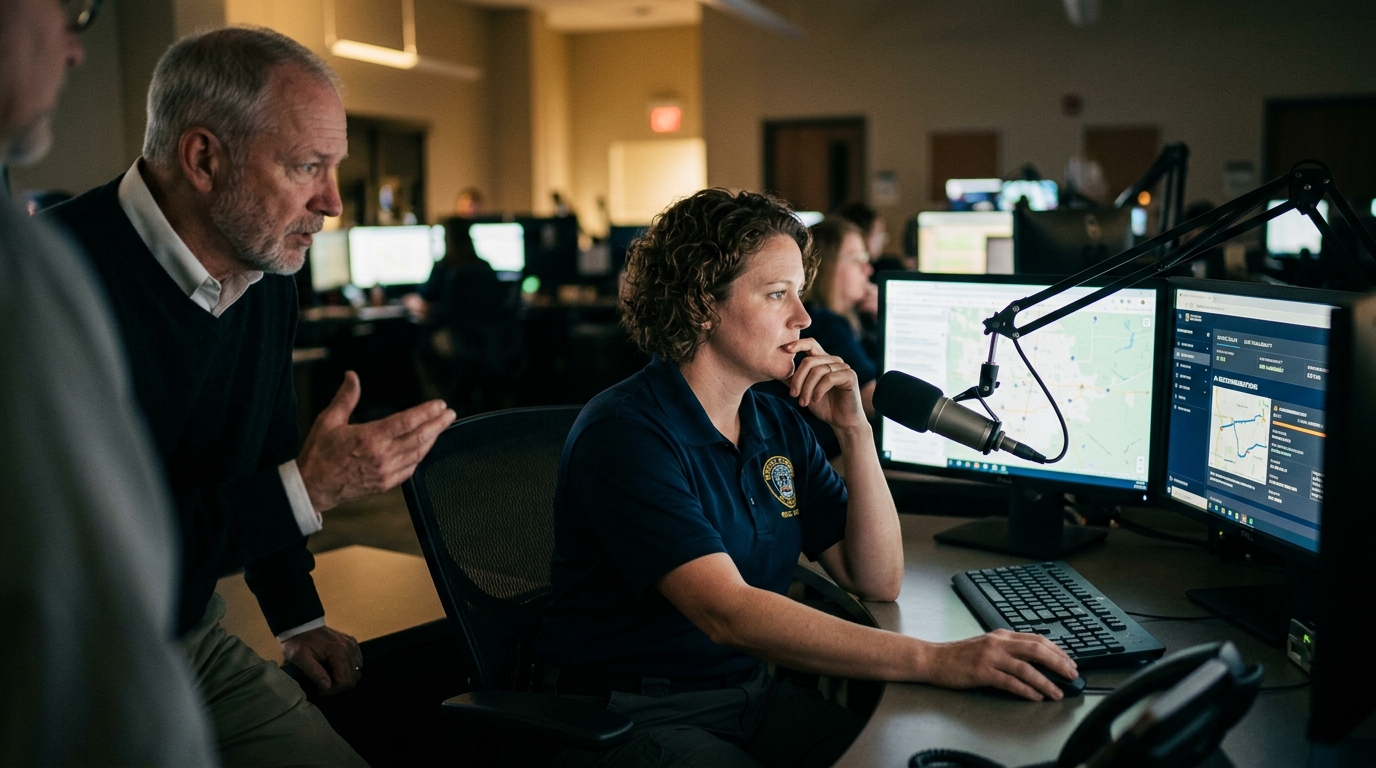
In the heart of Tennessee, the small city of La Vergne has become the epicenter of a debate that transcends local borders and touches the core of modern governance: How much authority are we willing to cede to algorithms when human lives are on the line? The City Council is seriously considering the adoption of Artificial Intelligence (AI) systems for emergency dispatch, a move that promises to revolutionize response times but raises profound ethical questions.
The Staffing Crisis and the Technological Promise
The problem facing La Vergne is not unique. Across the Western world, emergency call centers (911 in the US, 112 in Europe) are suffering from chronic understaffing. The job of a dispatcher is grueling, characterized by high rates of burnout and relatively low pay for the immense responsibility involved. Into this vacuum steps Artificial Intelligence.
The proposed systems are not intended—at least initially—to replace humans entirely. Instead, they act as "digital assistants" capable of triaging calls, transcribing conversations in real-time, and extracting critical data such as location and the nature of the incident before a human operator even asks the first question. In La Vergne, the discussion focuses on the AI’s ability to handle non-emergency calls, freeing up police officers and dispatchers for truly critical situations.
The Ethical Labyrinth: Bias and "Hallucinations"
However, introducing AI into such a sensitive environment is not without risks. Critics of the move point to three primary concerns: data bias, lack of empathy, and the phenomenon of algorithmic "hallucinations." Algorithms are trained on historical data, which often contains systemic biases. If an AI system has been trained on data reflecting racial or socioeconomic disparities, there is a risk it might deprioritize calls from certain neighborhoods or misinterpret the severity of an incident based on the caller's accent.
"Technology may be faster, but speed without judgment is dangerous," a community member stated during the council meeting. "An algorithm cannot hear the fear in a mother’s voice the same way a human can."
Furthermore, AI remains prone to errors. In high-stress situations where a caller’s speech may be incoherent or interrupted, AI might "fill in the blanks" with incorrect information, leading law enforcement to the wrong locations or providing a false assessment of a suspect's potential weaponry.
Legal Frameworks and Accountability
One of the thorniest issues discussed by the La Vergne City Council is that of legal liability. If a human dispatcher makes a mistake, there is a clear protocol for accountability. But if an algorithm fails to recognize a call for a heart attack as an emergency, who is to blame? The municipality? The software company? The supervisor who trusted the system?
The transition toward "Next Generation 911" (NG911) requires not just technological upgrades, but a radical overhaul of our legal culture. La Vergne is at the forefront of this change, serving as a laboratory for how local communities will balance the need for efficiency with the demand for justice and transparency.
Conclusion: An Augmentative, Not Replacement, Relationship
The case of La Vergne demonstrates that the future of policing and public safety is inevitably linked to technology. However, the emerging consensus is that AI must remain in a supporting role. "Augmented intelligence"—where the machine enhances human capabilities without sidelining them—is the only path that ensures public safety remains, above all, a human service. As we move through 2026, the decisions of small towns like La Vergne will define the digital contract between the state and the citizen for decades to come.