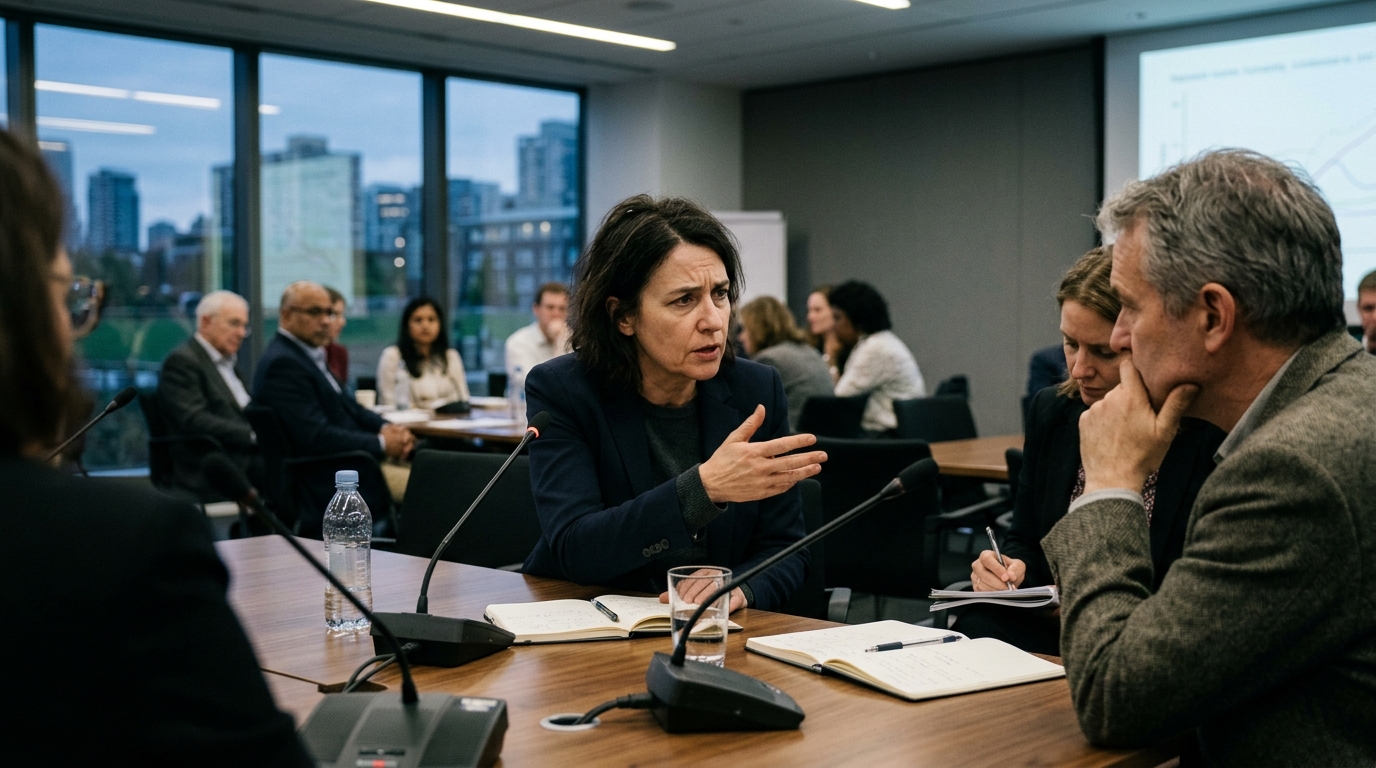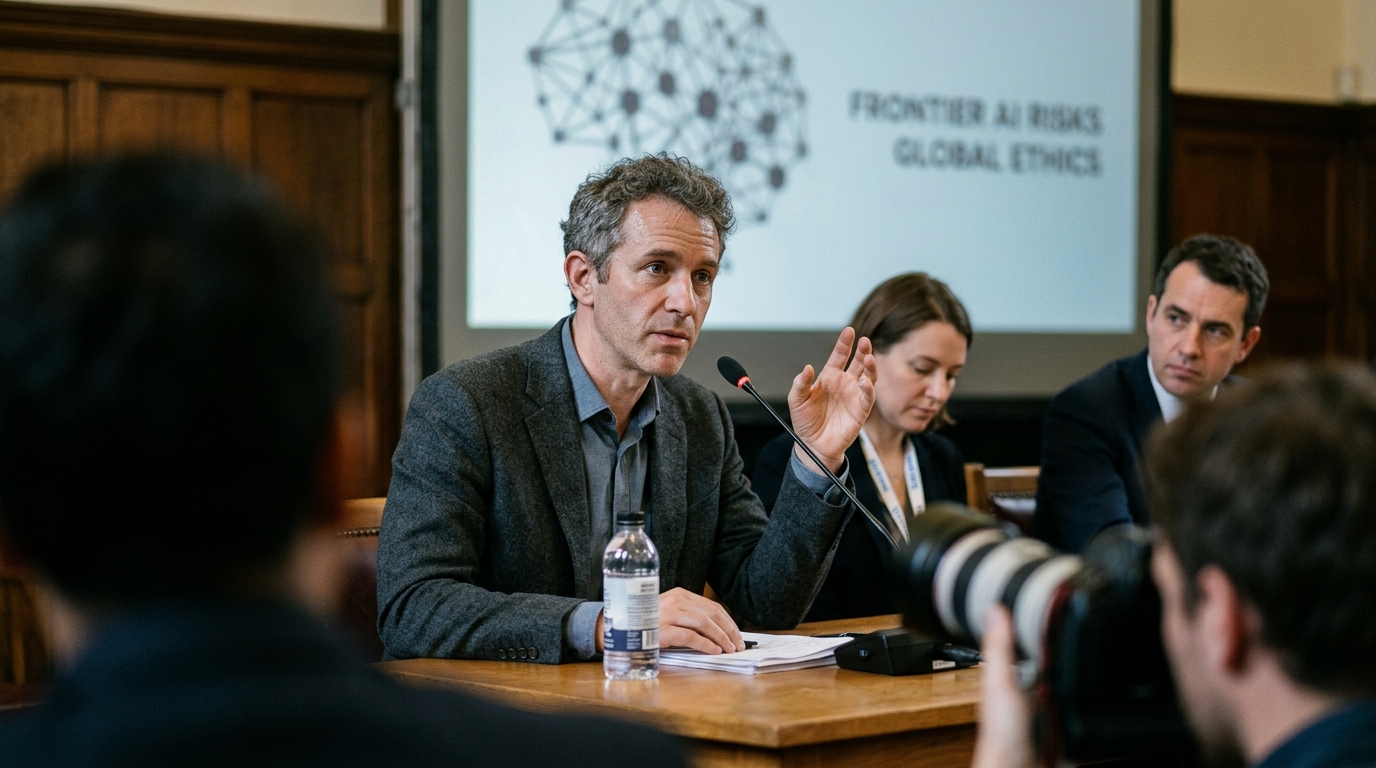
Every year, the National Exams in Greece (Panelladikes) serve as more than just a test of academic prowess; they act as an informal social barometer. This year's topic for Modern Greek Language and Literature, which focused on loneliness and the need for intergenerational connection, struck a sensitive chord in our contemporary reality. In a world being rapidly transformed by Artificial Intelligence (AI), the concept of "connection" is acquiring new, complex dimensions that go beyond the traditional family dinner or gathering at the local square.
The Paradox of Hyper-connectivity
We live in an era characterized by what sociologists call the "connection paradox." While we possess the tools to communicate instantaneously with anyone on the planet, rates of subjective loneliness are at historic highs. Artificial Intelligence, through social media algorithms, has created digital "echo chambers" where interaction is often superficial and performative. Instead of fostering deep bonds, these platforms often prioritize engagement over empathy.
The mental health of young people, who are at the forefront of this transition, is directly affected. The pressure of national exams acts as a magnifying glass: the solitude of the student facing a textbook meets the loneliness of the user facing a screen. Redefining connection, therefore, is not merely a philosophical exercise but an imperative for survival in a digital ecosystem that often promotes isolation under the guise of networking.
AI as a Tool for Intergenerational Bridging
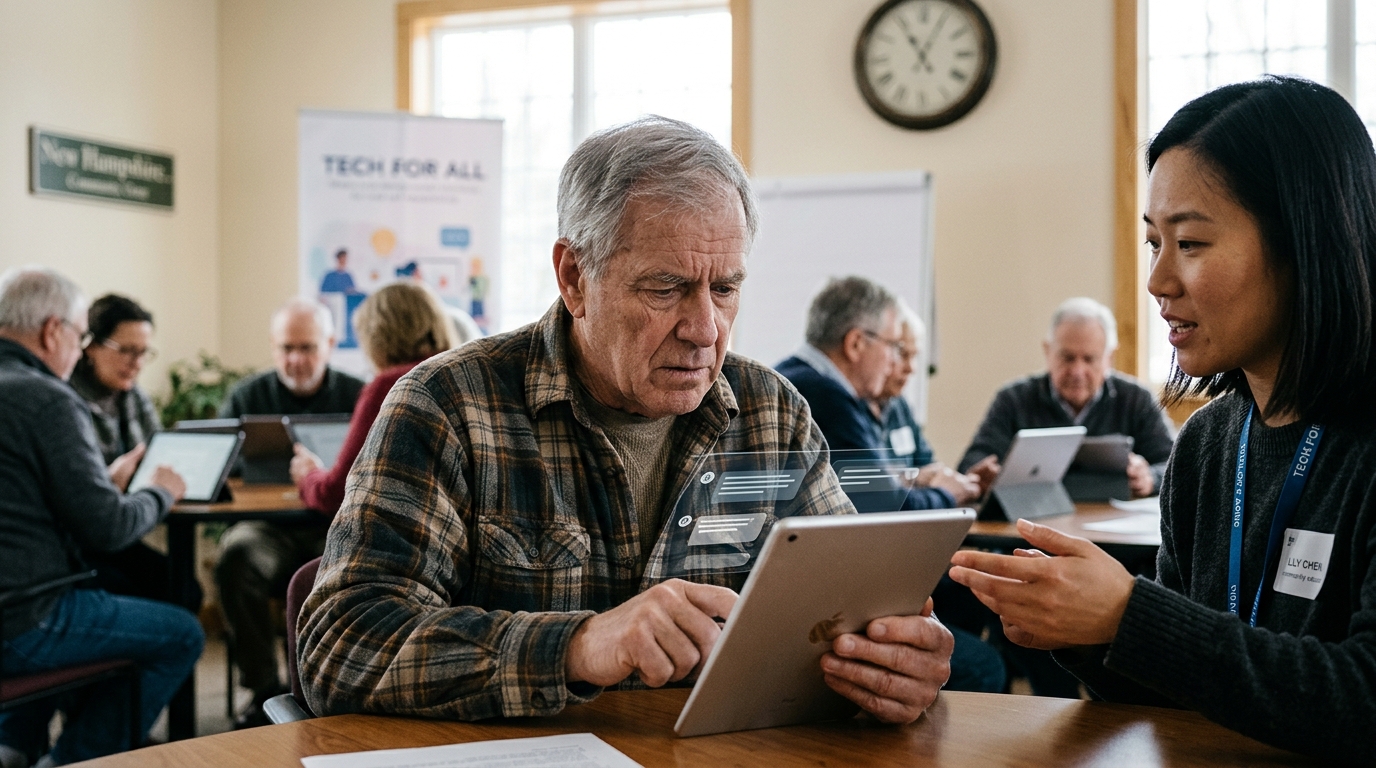
One of the most poignant points of this year's exam theme was intergenerational connection. We often view technology as the chasm that separates the youth from the elderly. However, Generative AI offers unique opportunities to flip this narrative. Imagine AI systems that facilitate the transfer of oral history from grandparents to grandchildren, converting memories into interactive digital archives, or tools that help the elderly navigate a world that feels increasingly alien to them.
The ethical dimension here is critical. If AI is used to replace human presence—for instance, through "companion" chatbots for lonely seniors—we risk devaluing the human experience. But if it is used as a mediator that breaks down communication barriers, it could become the most powerful mental health tool we have ever had at our disposal. The goal should be to use AI to augment, not substitute, the warmth of a human voice.
Mental Resilience and the Future of Work
Linking the National Exams to "real life" also highlights the anxiety regarding professional futures. Today's students are not just competing with each other; they are competing with the prospect of a labor market where automation and AI will play a dominant role. Mental health in this context is inextricably linked to a sense of purpose. Connecting with oneself and cultivating "soft skills," such as empathy and critical thinking, are the very things that AI cannot fully replicate.
In conclusion, returning to the core values of human contact, as highlighted in the exam essays, constitutes the best defense against uncertainty. Technology must remain the means, not the end. The real challenge for the class of 2026 is not just to secure a university placement, but to maintain their humanity in a world that increasingly seeks to digitize it. We must ensure that as our machines become more intelligent, our societies do not become more fragmented.
"Technology is a useful servant but a dangerous master." - This adage remains more relevant than ever as we redefine what it means to be 'connected' in the 21st century.