Human history has been repeatedly marked by the emergence of technologies that altered the course of civilization: gunpowder, the printing press, the steam engine, nuclear energy. However, in the case of Artificial Intelligence (AI), we are facing an unprecedented historical anomaly. For the first time, the keys to a technology that promises—or threatens—to reshape the very essence of human cognition are not in the hands of nation-states or international organizations, but within a closed club of five to six individuals in Silicon Valley and London.
This new technological "pentarchy" does not merely control code; it controls access to information, the capacity for wealth generation, and ultimately, the direction of human evolution. From OpenAI's Sam Altman to Google DeepMind's Demis Hassabis, these figures have become the de facto architects of our future. The question looming over global economics and politics is simple yet terrifying: Who watches the watchmen?
Mapping Power: The Protagonists of the New World
To understand the scale of their influence, we must look at who these people are and what they represent. Sam Altman, the charismatic leader of OpenAI, has become the face of the "ChatGPT revolution." Despite internal crises at his company, he remains the primary interlocutor for governments, promoting an agenda that blends messianism with raw capitalism. Beside him, Microsoft's Satya Nadella has strategically transformed a software giant into the largest investor and "guardian" of OpenAI, controlling the cloud infrastructure essential for training these models.
In the opposing corner, Demis Hassabis of Google DeepMind represents the scientific elite. Aiming for Artificial General Intelligence (AGI), Hassabis manages Alphabet’s vast resources. We cannot overlook Jensen Huang of NVIDIA, the "armorer" of this war, whose chips are the only currency with real value in the industry. Finally, Dario Amodei of Anthropic and Mark Zuckerberg of Meta complete the picture, each with their own approach—from an obsession with safety to releasing open-source code as a means of market dominance.
"The concentration of such immense power in so few hands is not just an economic issue; it is a challenge to the democratic process itself," state digital ethics analysts.
The Accountability Deficit and the Regulatory Trap
The paradox of these leaders is that they often call for the regulation of their own technology. However, many experts warn of "regulatory capture." By requesting strict safety rules that only they can afford to implement, they effectively build barriers to entry for any new competitor. This creates an oligopoly that is practically immune to traditional antitrust laws.
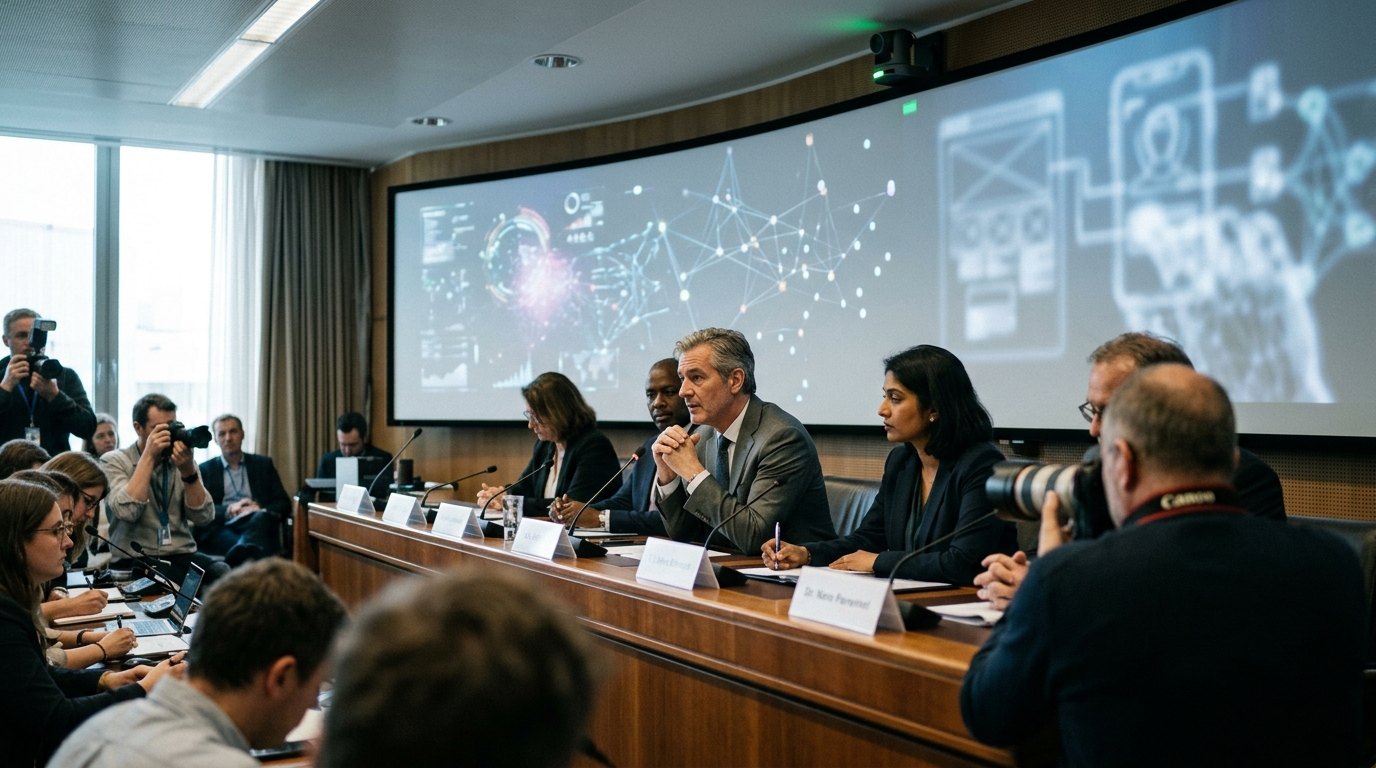
Furthermore, the speed of evolution outpaces the ability of legislators to comprehend what they are actually regulating. While the European Union attempts to set boundaries with the AI Act, the United States and China are engaged in a geopolitical competition where ethics often take a backseat to national power. The "AI Five" are at the heart of this competition, often operating as states within states, with their own foreign policy and diplomacy.
Ethics vs. Profit: The Internal Conflict
One of the most concerning aspects is the shift of these companies from non-profit or research-oriented organizations into multi-billion-dollar profit machines. The firing and rapid reinstatement of Sam Altman at OpenAI in 2023 revealed the rift between those worried about the existential threat of AI and those pushing for faster commercialization. When profit clashes with safety, Silicon Valley history has shown us who usually wins.
- Transparency: Models remain "black boxes," with companies refusing to disclose training data.
- Bias: The values and beliefs of these few men are being embedded into algorithms used by billions.
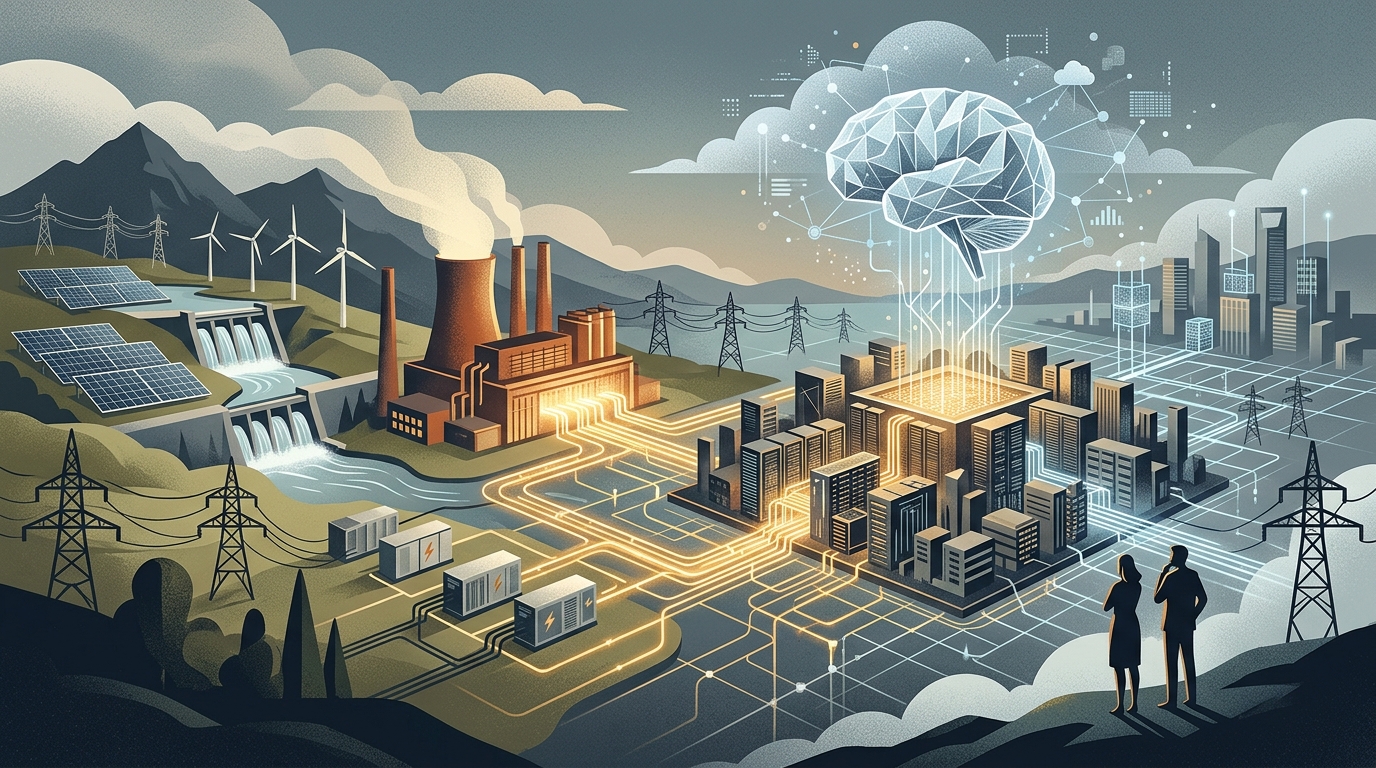
- Dependency: Entire nations are now basing their digital services on the infrastructure of these few companies.
Conclusion: The Need for a New Social Contract
AI is too important to be left solely to the goodwill of five CEOs. The need for international oversight, similar to the International Atomic Energy Agency, is becoming increasingly urgent. We must ensure that the future of intelligence is not a closed proprietary system, but a public good. Controlling these individuals is not a matter of punishment, but of the survival of pluralism and freedom in a world increasingly governed by algorithms.