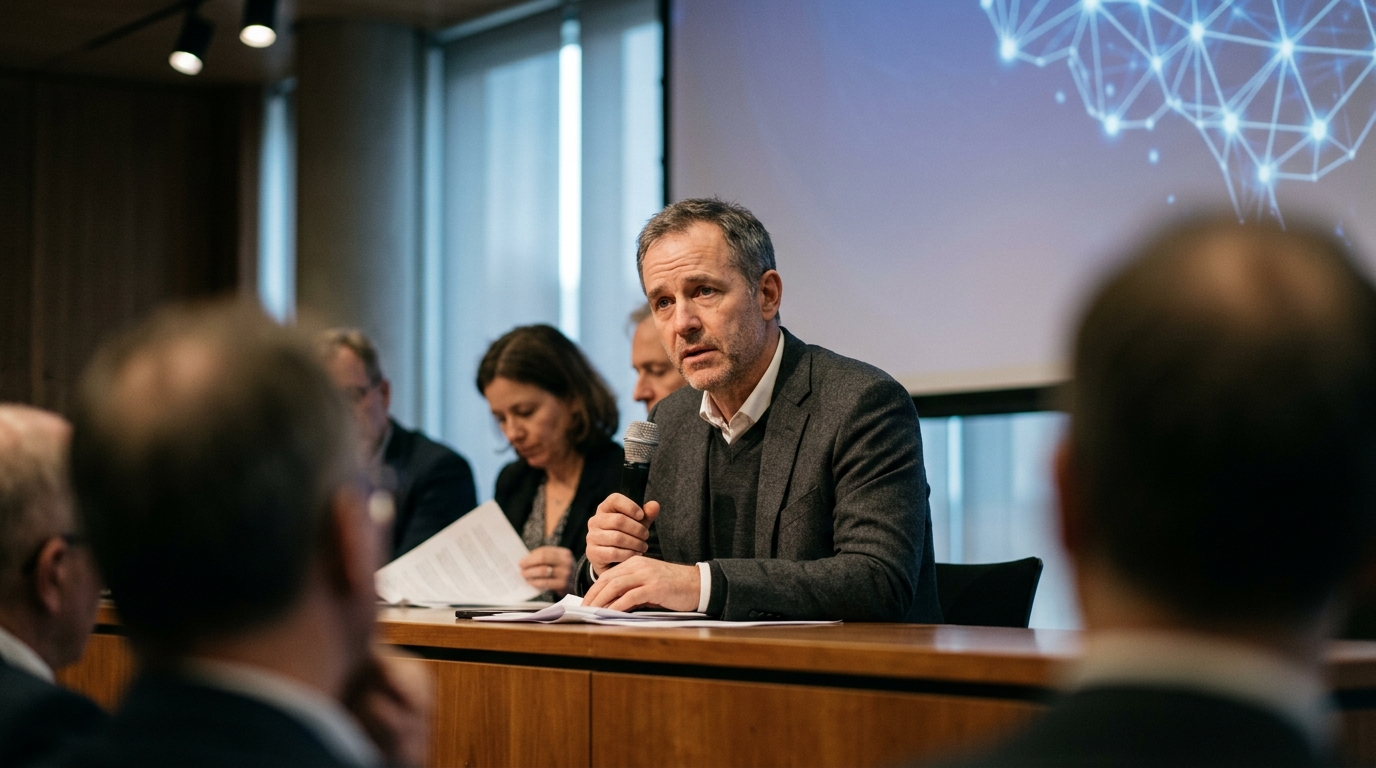
Education is standing at a critical crossroads. As highlighted in a recent comprehensive report by NCPR (North Country Public Radio), the integration of Artificial Intelligence (AI) in schools has moved beyond being a speculative threat or a distant promise; it is now a daily reality reshaping the fundamental relationship between teacher, student, and knowledge. In rural settings like the North Country, where resources are often stretched thin, AI is emerging as an unexpected ally, while simultaneously fueling deep-seated anxieties among parents and educators.
From Policing to Pedagogical Integration
When ChatGPT burst onto the scene in late 2022, the educational community's initial response was characterized by near-universal panic. School administrators scrambled to block access on Wi-Fi networks, and teachers desperately sought out AI detection tools. However, by April 2026, we have entered a significantly more mature phase. Educators have largely realized that playing the role of a 'digital cop' is a losing battle. Instead, the focus has shifted toward how AI can assist in curriculum design and alleviate the administrative burdens that have long plagued the profession.
- Personalized lesson plans tailored to individual student learning speeds.
- Automated grading for technical assignments, freeing up time for qualitative feedback.
- Utilizing AI as a 'Socratic interlocutor' to challenge and refine student critical thinking.
In the North Country, teachers report that AI allows them to provide specialized support for students with learning disabilities—support that previously required additional staff members who were often unavailable due to budget constraints. The technology isn't replacing the teacher; it is amplifying their reach.
Parental Concerns: Privacy and Cognitive Atrophy
Despite the pedagogical benefits, parents remain deeply skeptical. Their primary concern revolves around 'cognitive atrophy.' If a child can simply ask a machine to solve a complex equation or draft a persuasive essay, will they ever truly learn to think for themselves? There is a growing fear that critical thinking and raw creativity are being sacrificed on the altar of algorithmic convenience. Furthermore, data privacy remains a flashpoint. Schools are increasingly reliant on platforms that harvest massive amounts of data regarding student behavior and performance, raising urgent questions about who owns this data and how it might be used in the future.
"I don't want my child to become just a prompt engineer. I want them to be able to read a book and synthesize their own thoughts without the crutch of an algorithm," says one concerned mother from the district.
This sentiment is fueling a 'digital detox' movement, with some schools returning to handwritten examinations and oral presentations as a means of ensuring the authenticity of the learning process.
The Ethical Dimension and the Digital Divide
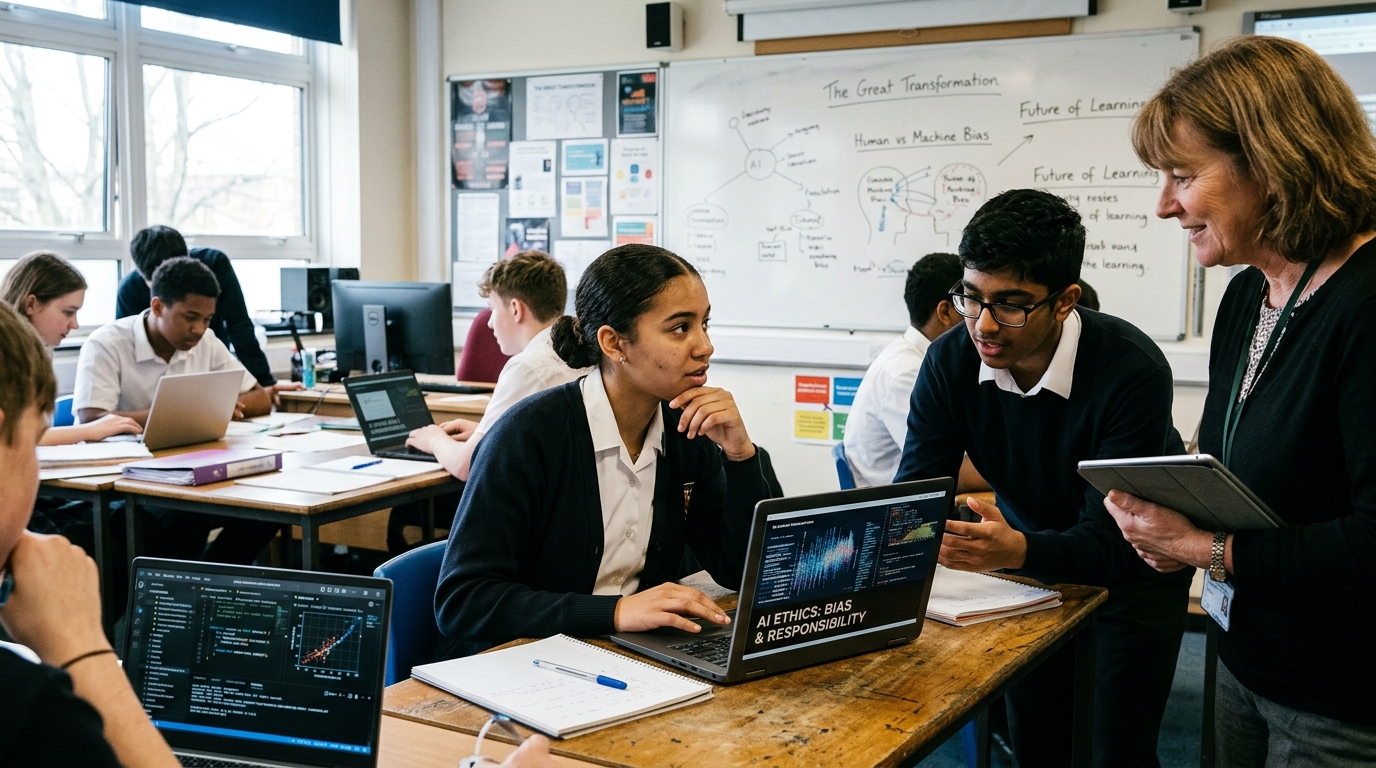
Another crucial aspect is the ethical use of AI. Educators are now tasked with teaching 'AI literacy.' Students must understand that AI can produce 'hallucinations'—convincing but false information—and that it carries the inherent biases of its creators. Teaching the ethics of technology is becoming as fundamental as teaching mathematics or literature.
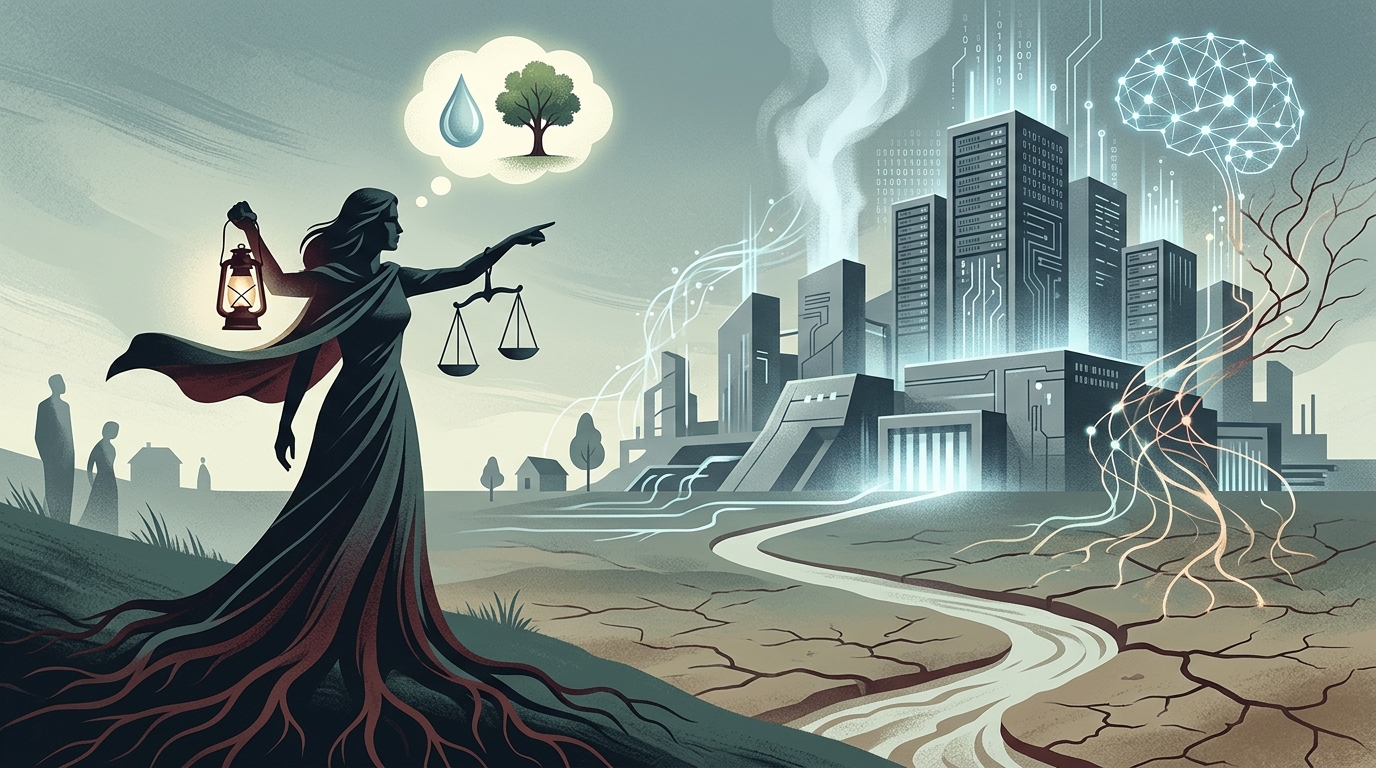
Simultaneously, the digital divide threatens to widen. While affluent private schools invest in sophisticated AI systems that act as 24/7 personal mentors, public schools in underprivileged areas are still struggling with basic high-speed connectivity. AI has the potential to be the great equalizer, providing world-class knowledge to remote areas, or the great divider, leaving behind those without the financial means to keep pace with technological acceleration.
Conclusion: The Human Connection Remains Paramount
As we navigate through 2026, the consensus is clear: technology is a tool, not the destination. Education remains a deeply human process rooted in empathy, inspiration, and mentorship. AI can handle the transmission of information, but the molding of character and the cultivation of values remain the exclusive domain of the human teacher. The challenge for the coming years is to find the 'Golden Mean'—where technology serves pedagogy without dehumanizing the sacred bond of the classroom.