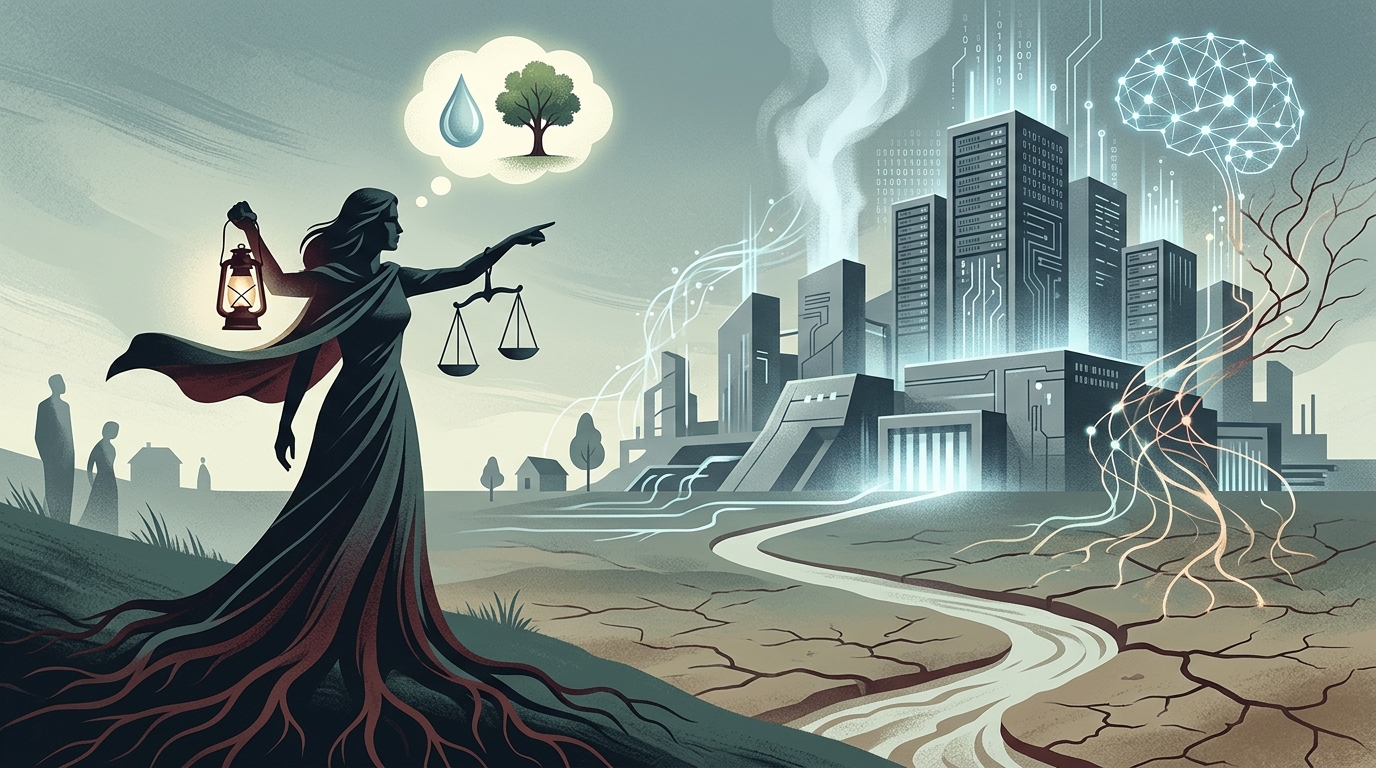
It is mid-2026, and the promise of Artificial Intelligence (AI) is no longer a distant prospect but a daily reality fundamentally reshaping the global labor landscape. While corporations rush to adopt advanced Generative AI models to optimize operations and slash costs, the majority of the workforce faces an unprecedented existential crisis. This transition, though technologically awe-inspiring, highlights severe ethical and social issues that transcend simple unemployment statistics.
The Corporate Mandate: From Adoption to Integration
For the business world, AI represents the 'holy grail' of efficiency. According to recent analyses, companies that have fully integrated autonomous decision-making systems have seen productivity gains of up to 40%. However, this success comes at a price. The 'adaptation' cited by corporate executives often translates to drastic job cuts in sectors like customer service, technical writing, and even entry-level programming.
Businesses argue that AI does not replace humans but 'augments' them, freeing workers from repetitive tasks. Nonetheless, reality on the ground shows that requirements for new skills are increasing at a pace that education systems and corporate training programs struggle to match. The 'digital divide' is no longer just about internet access; it is about the ability to collaborate with complex algorithms.
The Psychological Toll and 'Algorithmic Insecurity'
Beyond the numbers, the human dimension of this transition is troubling. Workers today fear not only layoffs but the devaluation of their labor. The realization that an algorithm can perform in seconds what a human spent years learning creates what psychologists call 'technological trauma.' Uncertainty about the future leads to decreased job satisfaction and a spike in burnout cases, as employees desperately try to prove their 'added value' against machines.
- The feeling of constant surveillance by algorithmic management systems.
- The pressure for continuous reskilling without a clear framework.
- The erosion of workplace relationships due to automated communications.
Ethical Governance and the Future of the Social Contract
The need for a new social contract is more urgent than ever. With the full implementation of the EU AI Act, Europe is attempting to set boundaries, ensuring that AI use in the workplace remains transparent and fair. However, legislation often lags behind technological evolution. Ethical challenges include algorithmic bias in hiring, employee data privacy, and the right to human intervention in critical decisions.
"Technology must serve humanity, not marginalize it. If AI progress is not accompanied by a corresponding progress in social justice, we risk creating a deeply divided society," notes a senior official from the International Labour Organization.
In conclusion, corporate adaptation to the AI era cannot be merely technical or financial. It must be primarily human-centric. A company's future success will not be judged solely by its computing power but by its ability to foster an environment where artificial and human intelligence coexist harmoniously, offering security and prospects for all.