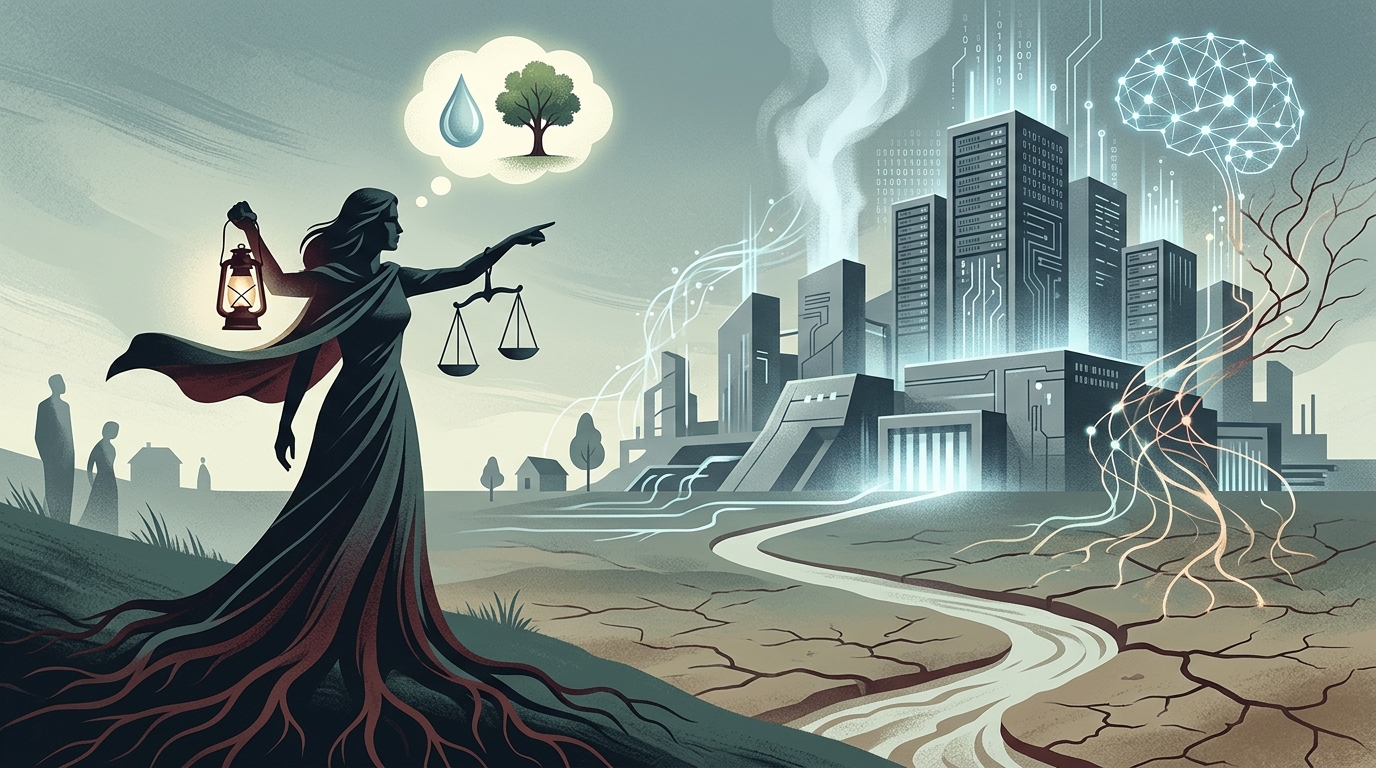
Education today stands at a crossroads reminiscent of the invention of the printing press or, more recently, the advent of the internet. Artificial Intelligence (AI) is no longer a futuristic promise but a present reality invading classrooms, often without asking for permission. The question posed by educators, parents, and policymakers is clear: Will AI be the destruction of the traditional school, or will it unlock potential previously considered utopian?
The Fear of Cognitive Atrophy and the Integrity Challenge
The greatest fear expressed in educational communities worldwide is the gradual erosion of critical thinking. If a large language model can synthesize an essay on Thucydides in seconds, what is the motivation for a student to delve into the text? There is a risk of "cognitive atrophy," where core skills of analysis and synthesis wither away as the ease of machine-generated content replaces the arduous process of learning.
Furthermore, the issue of academic integrity has reached crisis proportions. AI detection tools often prove inaccurate, leading to false accusations against students, while the "black market" for machine-generated assignments flourishes. Education risks turning into a game of cat-and-mouse, where teachers spend more time policing technology than teaching their subjects.
The Promise of Radical Personalization
However, the other side of the coin is breathtaking. AI has the potential to function as a personal Socratic tutor for every student. In a classroom of 25 or 30 children, it is impossible for a teacher to tailor the lesson to everyone's individual learning pace. Intelligent learning systems can pinpoint exactly where a student is struggling in mathematics or physics and provide personalized exercises and explanations in real-time.
For students with special educational needs or learning disabilities, AI is a lifeline. Speech-to-text tools, automated text simplification, and the visualization of abstract concepts can bridge gaps that the traditional system often fails to address. Technology does not replace the teacher; it provides the tools for them to become an "orchestrator of learning" rather than a mere transmitter of information.
The Digital Divide and the Politics of Access
In the global context, the discussion of AI in schools hits the wall of existing inequalities. If access to advanced AI tools becomes a privilege for students in elite private schools, then technology will act as an accelerator of social disparity rather than a tool for democratizing knowledge. Public education systems must move quickly, not only to equip schools with the necessary infrastructure but also to train the educators themselves.
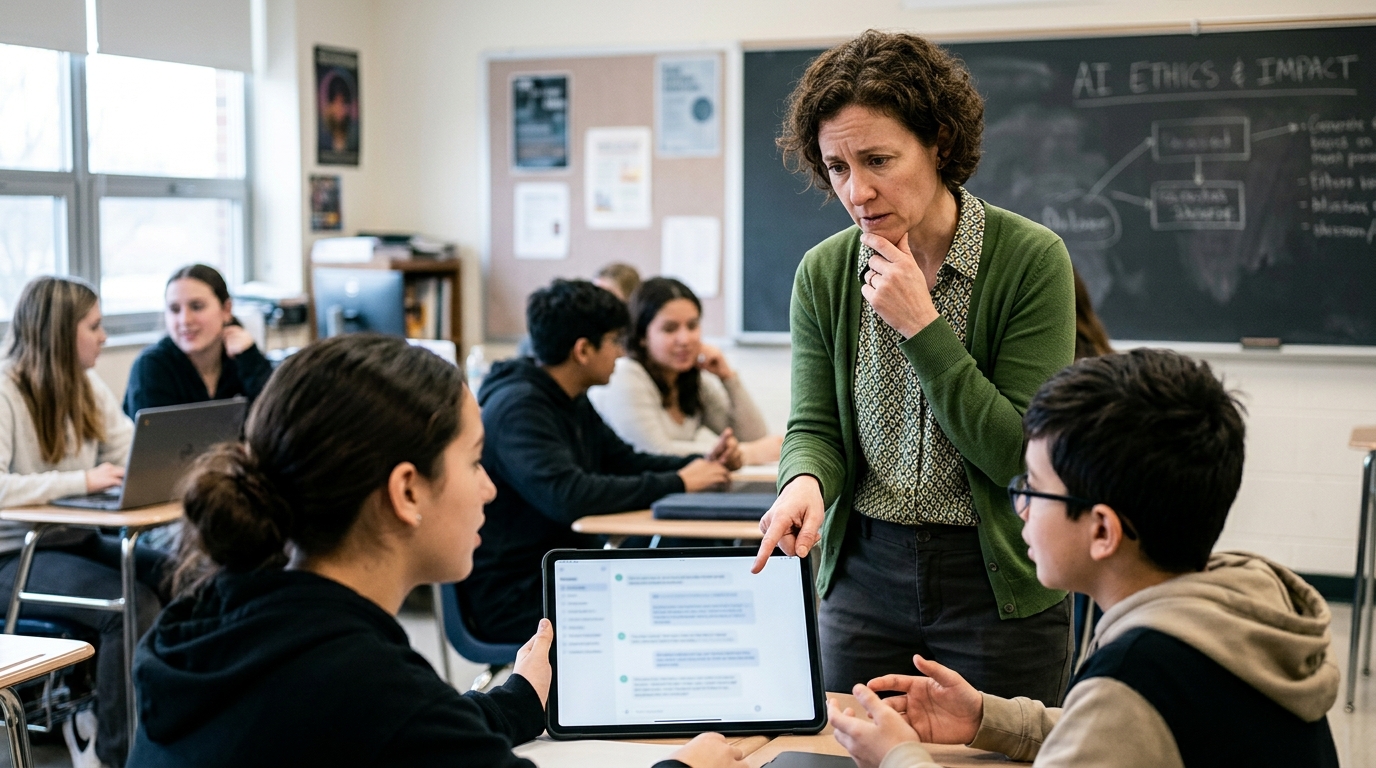
The role of the teacher is undergoing a radical transformation. It is no longer enough to know one's subject; they must be able to teach students how to interact critically with AI, how to fact-check sources, and how to recognize algorithmic biases. The ethical dimension of technology must become an integral part of the curriculum.
"Artificial Intelligence in the classroom is not just a new tool; it is a new language. If we do not learn to speak it correctly, we will remain illiterate in the 21st century."
Conclusion: A Human-Centric Approach
Avoiding disaster requires a shift toward human-centric technology use. Schools must emphasize skills that AI cannot—yet—replicate: emotional intelligence, collaboration, ethical judgment, and creativity rooted in human experience. If we use AI to automate the mundane aspects of education, we will free up time for the meaningful, human connection that lies at the heart of pedagogy. AI in schools will be a disaster only if we allow it to replace human thought; if we leverage it as an enhancer, it will be the greatest opportunity we have ever had.