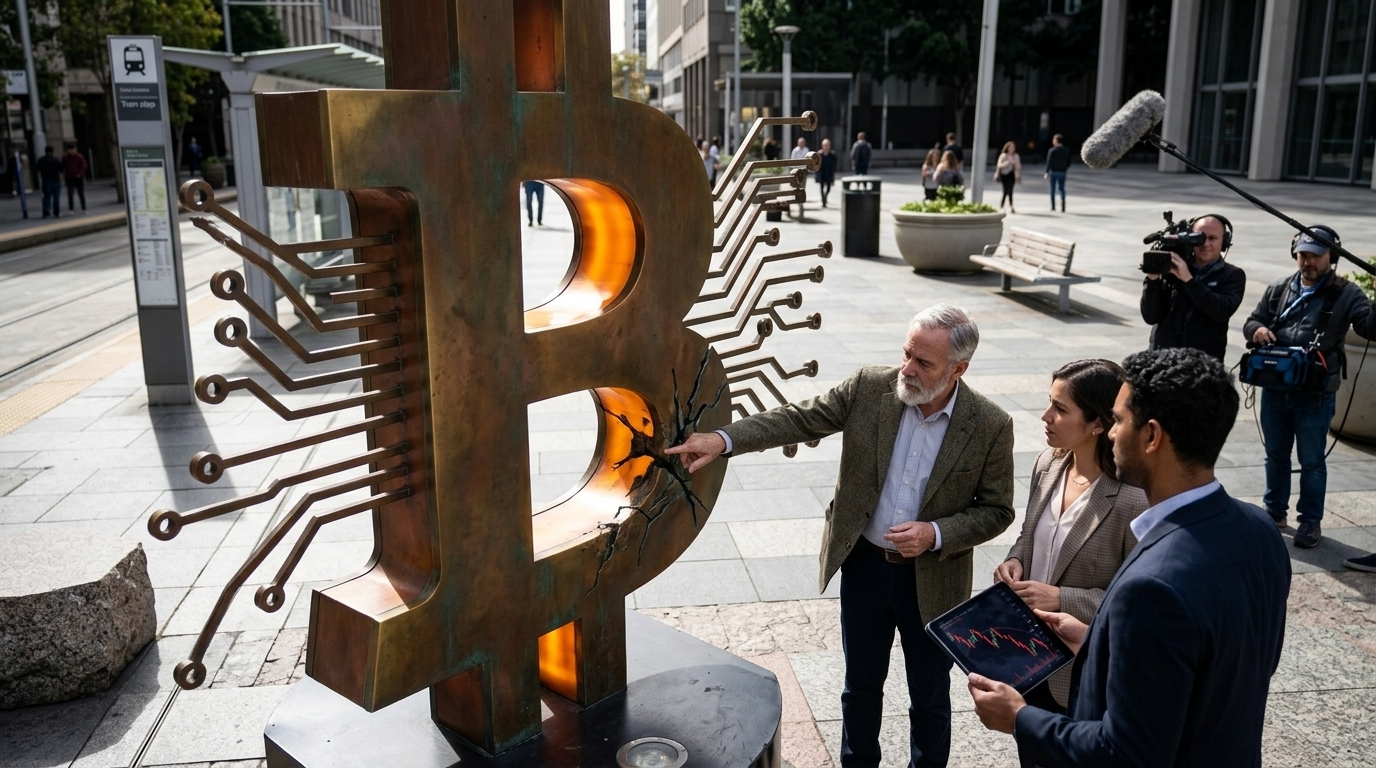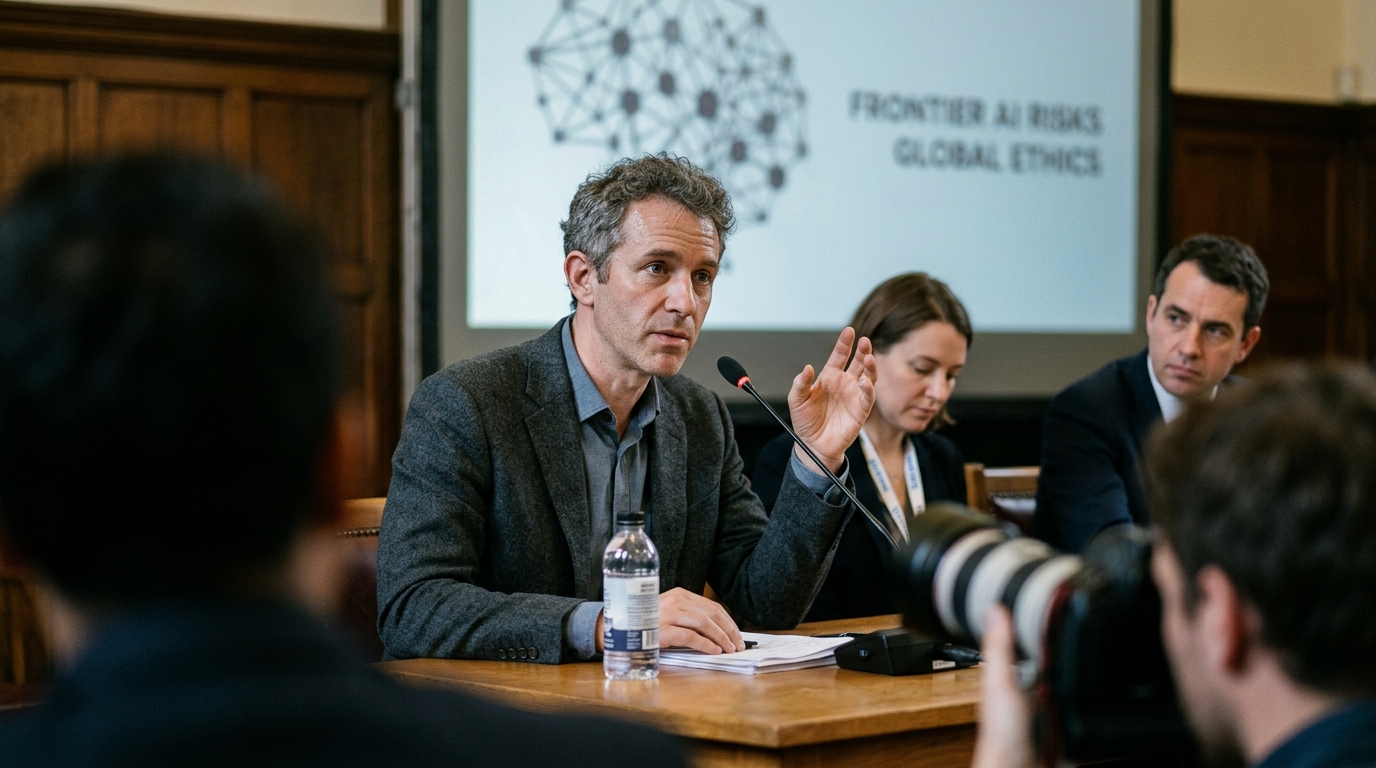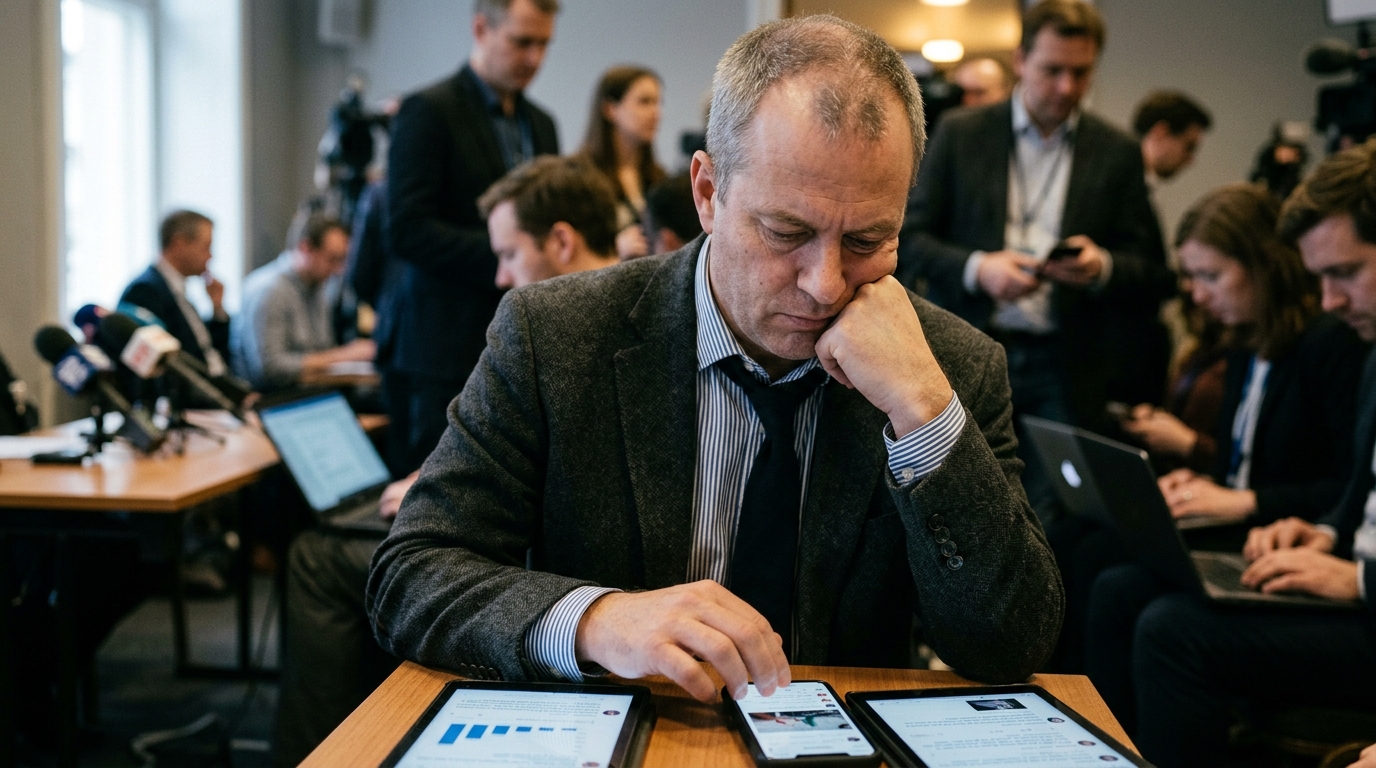
The era when a photograph or a video served as irrefutable evidence of reality is officially over. As we navigate through 2026, artificial intelligence is no longer an experimental tool in the hands of technocrats but the spearhead of the political arena. The recent emergence of hyper-realistic AI-generated videos, depicting political leaders making controversial statements, has sounded a global alarm, raising fundamental questions about the future of the democratic process.
The ease with which high-fidelity synthetic media (deepfakes) can now be produced means that the cost of misinformation has plummeted to near zero. Where it once required entire teams of editors and special effects experts to distort the truth, today a modest computer and the right algorithms suffice. This "democratization" of manipulation allows not only rogue states but also individual actors to influence public opinion in ways that human psychology finds difficult to repel.
The 'Liar’s Dividend' and the Erosion of Reality
One of the most concerning phenomena we are observing is the so-called "Liar’s Dividend." As the public becomes increasingly aware that any video could be an AI product, politicians gain a powerful new weapon: they can dismiss genuine, incriminating evidence as "AI-generated." This ambiguity creates a world where objective truth ceases to exist, and voters end up believing only what confirms their pre-existing biases.
The psychological impact of AI videos goes deeper than mere misinformation. Sight and sound are our primary mechanisms for perceiving the world. When these mechanisms are "hacked" by algorithms, the sense of orientation in political reality is lost. Election campaigns are transforming into a war of impressions, where the speed at which a lie spreads far outpaces the slow process of debunking it.
The Regulatory Gap and Europe’s Response
While technology gallops ahead, the legal framework struggles to keep pace. The European Union, through the AI Act, has attempted to establish rules, such as mandatory labeling for AI-generated content. However, implementing these rules in practice remains a Herculean task. How can you control a video that spreads like wildfire through encrypted apps like WhatsApp or Telegram?
Furthermore, major social media platforms are in a constant state of conflict between protecting free speech and combating malicious disinformation. Content moderation algorithms often fail to detect the most sophisticated deepfakes, while political ads using AI create "gray zones" that regulators find hard to define. The need for digital watermarking and cryptographic certification of media provenance is now imperative.
The Road Ahead: Education or Chaos?
The solution to this problem cannot be solely technological or legislative. It requires a radical overhaul of how we consume information. Digital literacy must become a core subject in every educational system. Citizens must learn to be skeptical, not in the sense of cynicism, but in the sense of critical analysis.
At the end of the day, artificial intelligence is a mirror of our society. If our political culture is based on polarization and hatred, AI will be used to amplify those exact elements. However, if we choose to fortify our institutions and invest in truth, perhaps technology can serve as a tool for transparency rather than a weapon for destroying trust. 2026 is the year that will determine whether democracy can survive in its digital reincarnation.