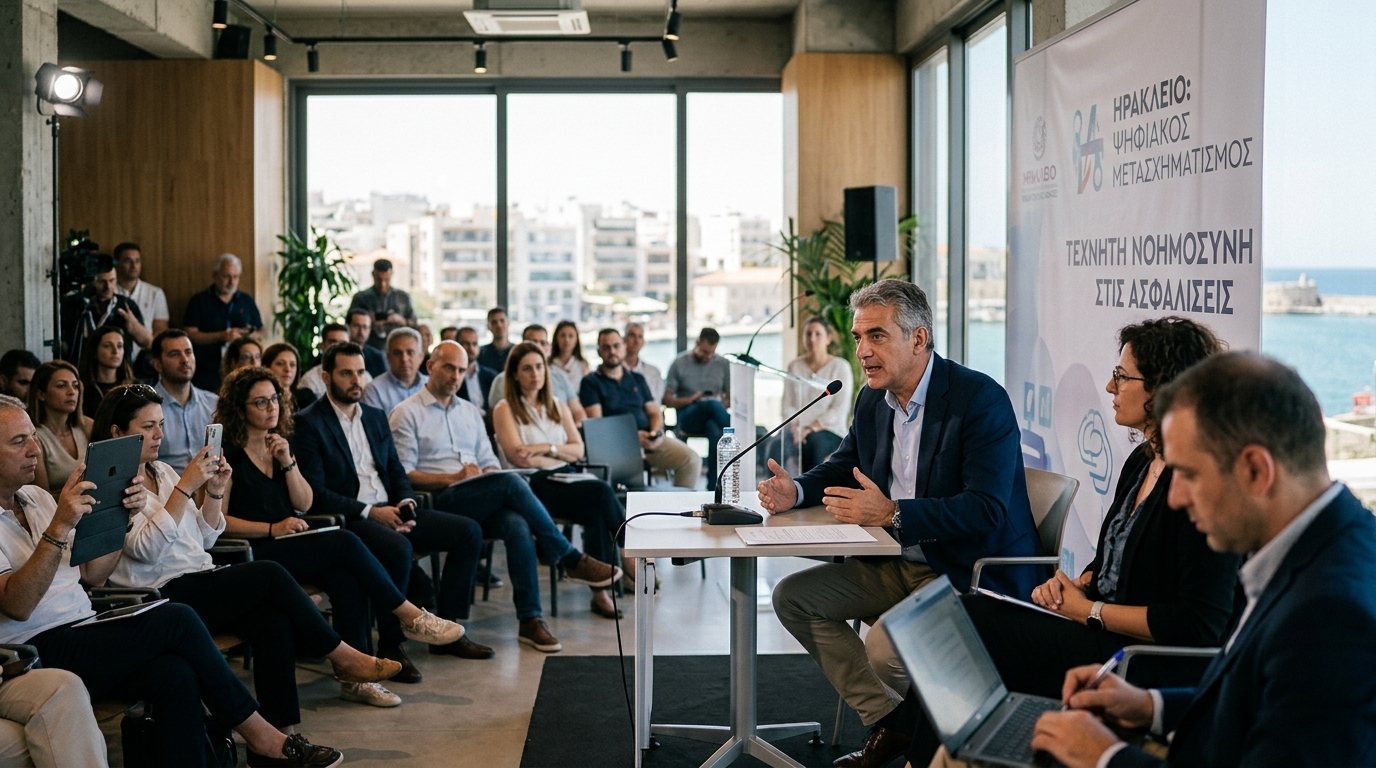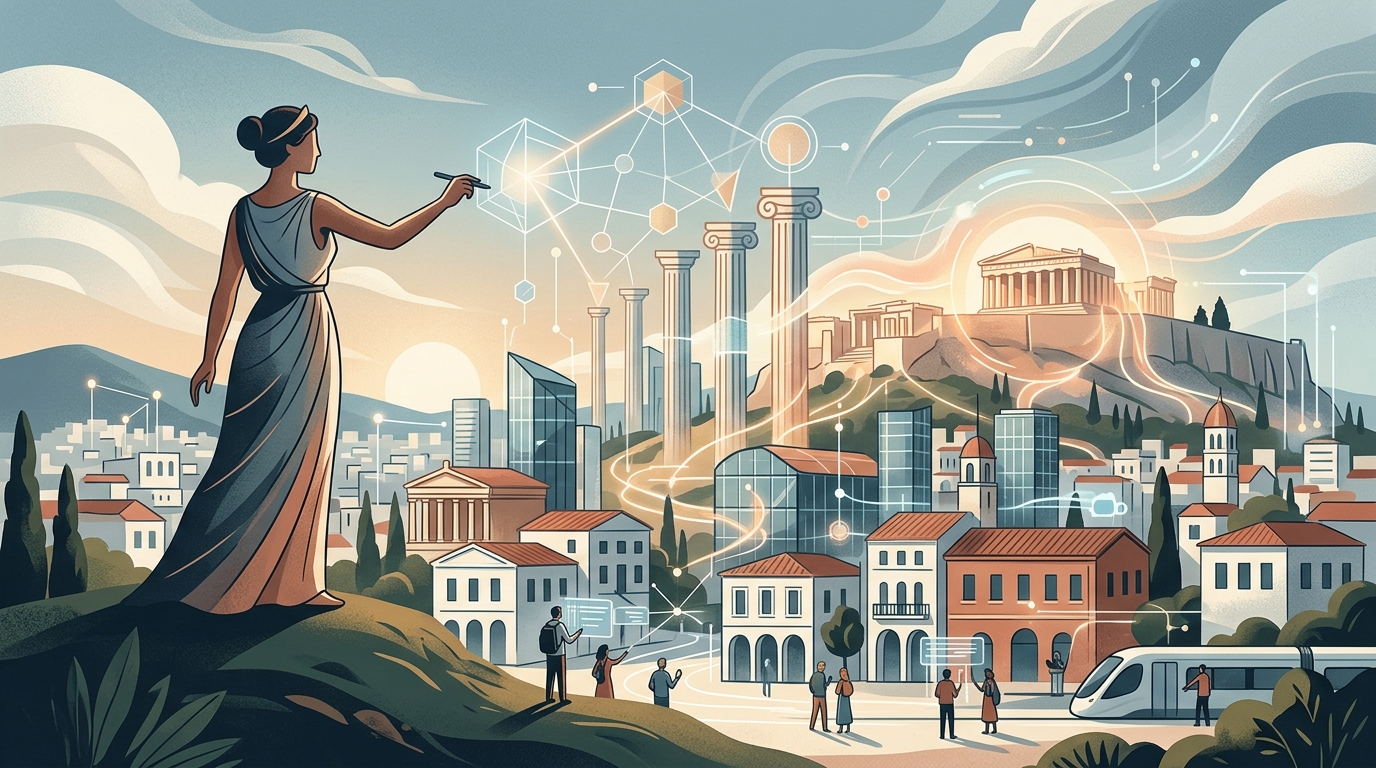
In an era where technology is redefining every facet of the global economy, Greek tourism—the nation’s "heavy industry"—cannot afford to remain a bystander. The recent meeting between the Minister of Tourism, Olga Kefalogianni, and leading tech executives and AI experts marks the beginning of a new strategic chapter. At the heart of this initiative is Artificial Intelligence (AI), viewed not merely as an automation tool, but as the catalyst that will transform Greece into a "smart" and sustainable global destination.
The Strategy of Personalization and the Visitor Experience
Olga Kefalogianni emphasized that AI can offer solutions that were previously considered unthinkable. The ability to analyze vast amounts of data allows for the creation of hyper-personalized packages and experiences that cater to the unique preferences of each traveler. From predicting a visitor's needs before they even arrive in the country to providing real-time digital assistants during their stay, AI promises to elevate Greek hospitality to new heights.
According to the Minister, machine learning algorithms can help in better understanding tourism flows. This means the Ministry and local authorities will be able to predict surges in demand in specific regions and adjust infrastructure and services accordingly. "Smart" management is not just about increasing revenue; it is about improving the quality of life for residents in tourist areas by avoiding the pitfalls of overtourism seen in other Mediterranean hotspots.
Sustainability and Resource Management through Technology
One of the most critical points of the meeting was the link between AI and sustainability. The climate crisis necessitates more careful management of natural resources, especially on the Greek islands. AI systems can optimize energy and water consumption in hotel units, reduce food waste, and suggest eco-friendly routes to tourists.
- Use of predictive models to manage water scarcity in the Cyclades.
- Implementation of smart transport systems to reduce the carbon footprint.
- Digital tools for the protection and promotion of cultural heritage sites.
Ms. Kefalogianni stressed that Greece aims to become a pioneer in the "green" transition through technology. Integrating AI into Destination Management Organizations (DMOs) will allow for data-driven decisions, ensuring that tourism growth does not come at the expense of the environment.
The Challenge of Human Capital and Digital Literacy
Despite the technological prospects, the Minister did not fail to mention the human factor. Artificial Intelligence is not intended to replace the tourism worker but to free them from repetitive tasks, allowing them to focus on authentic hospitality. However, this requires a radical overhaul of education within the sector.
"Technology is the means, but the human remains the soul of Greek tourism. Our challenge is to provide workers with the digital tools and knowledge to thrive in this new era," stated Ms. Kefalogianni.
The Ministry is planning reskilling and upskilling programs for thousands of workers in the sector. Familiarity with AI systems, digital platform management, and understanding data analytics are now becoming essential qualifications. The meeting concluded that public-private partnerships are necessary to bridge the digital divide and ensure that small and medium-sized tourism enterprises are not left behind in these rapid developments.