In the rapidly evolving educational landscape of 2026, artificial intelligence is no longer a futuristic promise but a daily utility. However, a recent study focusing on the use of AI chatbots by teenagers in the United States brings to light an unexpected and socially charged reality. Black and Hispanic students are using generative AI tools for schoolwork at significantly higher rates than their white peers. What appears at first glance to be a technological advantage is, upon deeper analysis, revealed as a survival strategy within an unequal educational system.
The Digital Divide and the Need for Support
According to the data, approximately 20% of all teens use ChatGPT or similar tools to assist with their schoolwork. However, this statistic diverges dramatically when broken down by race. Black and Hispanic teens report using AI at rates reaching 25-30%, while white students remain at lower levels. The explanation lies not in an innate preference for technology, but in the structural deficiencies of traditional education.
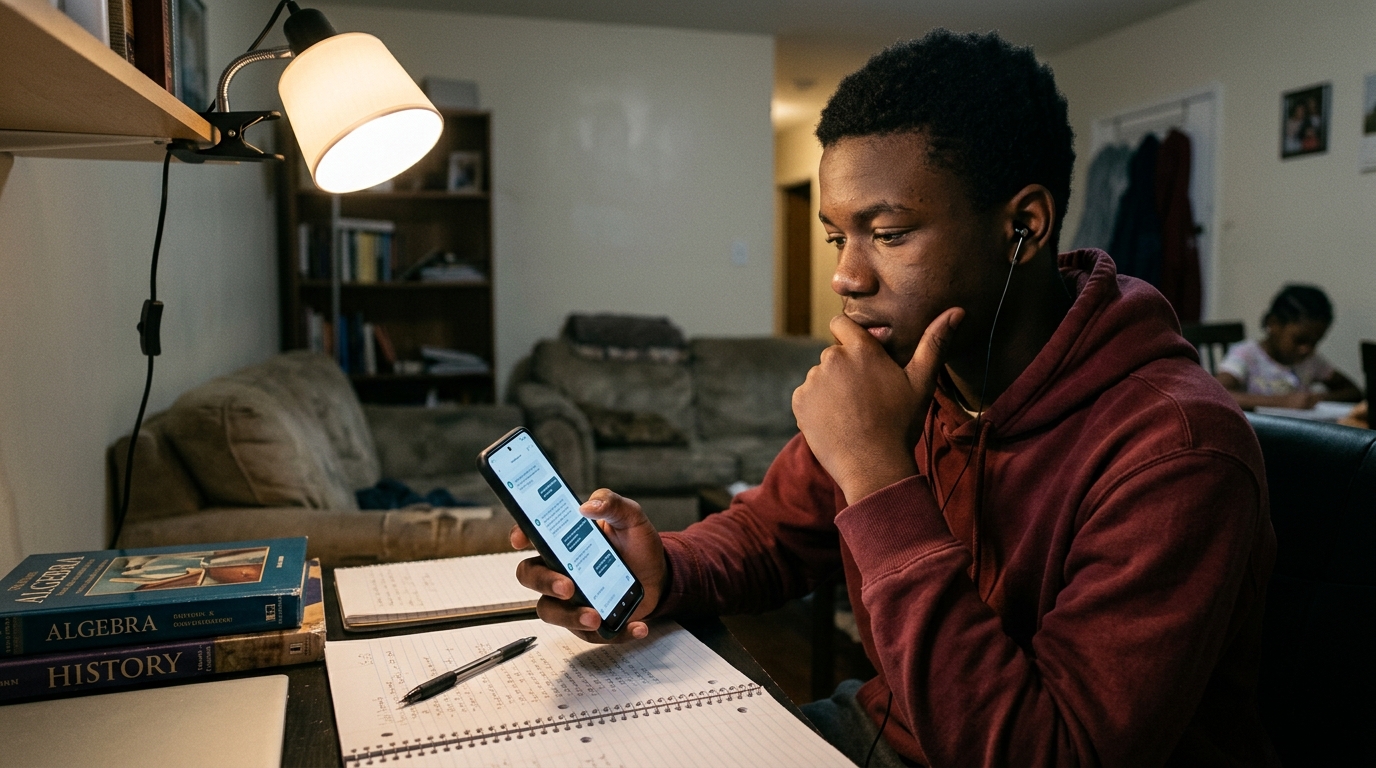
For many minority families, access to private tutoring or specialized academic help is financially out of reach. In a world where parents often work multiple jobs and schools in underserved areas remain underfunded, AI functions as the "free tutor" available 24/7. It is the digital lifeline for a student who has no one to help them with algebra or an essay at eleven o'clock at night. The "homework gap"—the disparity in the ability to complete schoolwork at home—is being filled by silicon chips instead of human mentors.
The Risks of Automated Learning
Despite the benefits of immediate access to information, increased reliance on AI poses serious risks, particularly for marginalized communities. The primary concern is algorithmic bias. Large Language Models (LLMs) are trained on internet data that often reflects Western, white-centric perspectives and prejudices. When a Black student uses AI to research history or sociology, they risk receiving answers that distort their cultural reality or, in the worst-case scenario, perpetuate harmful stereotypes.
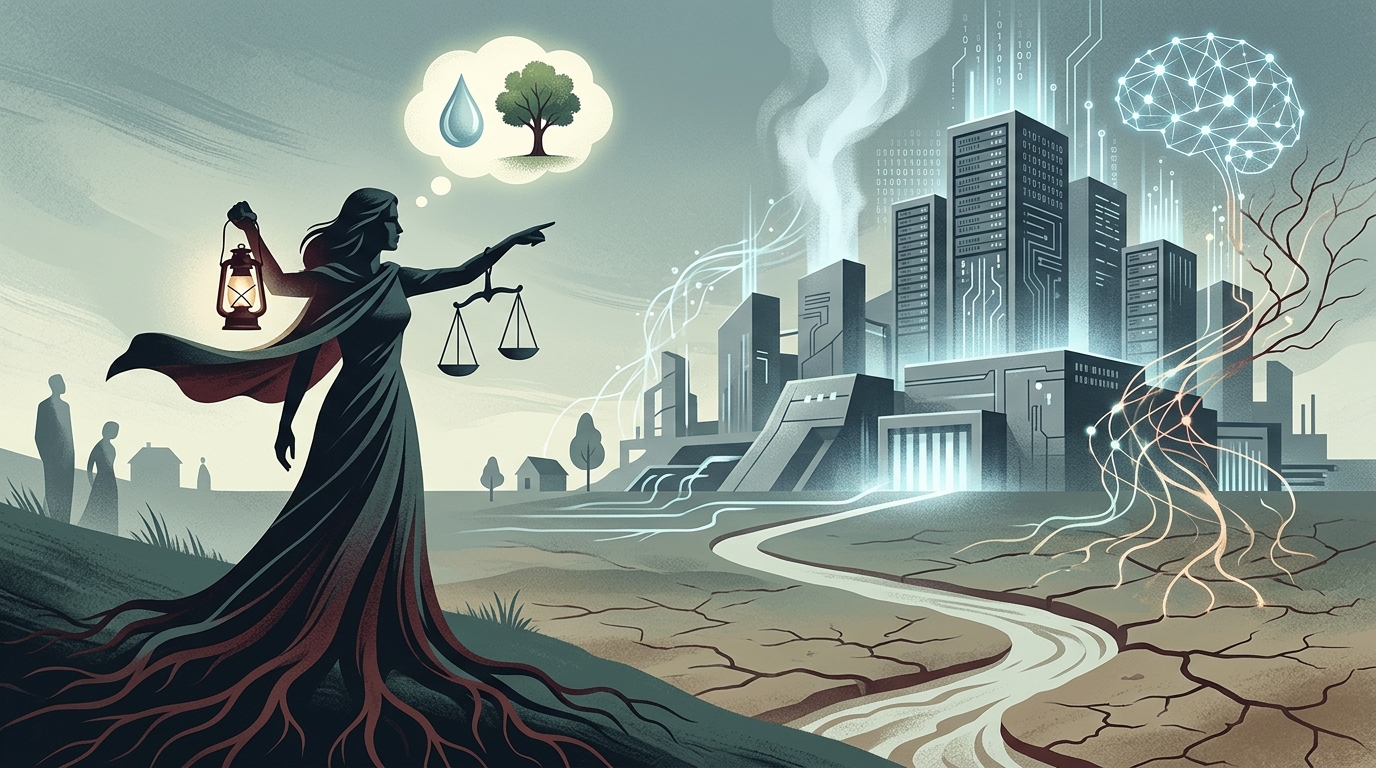
Furthermore, there is the danger of "cognitive atrophy." If AI is used to write entire essays rather than to understand concepts, the skills gap between students will widen. Students who have the financial means for human guidance will develop critical thinking and nuance, while those who rely exclusively on AI may become passive consumers of automated content. Ethically, society must decide whether AI will be a tool for empowerment or a mechanism that cements educational inequality under new terms.
Redefining Educational Policy
The solution is not to ban chatbots in schools—a strategy that has already failed in many districts. Instead, the emphasis must shift toward "AI literacy." Educators must be trained to guide students in the proper use of these tools: how to verify sources, how to identify bias, and how to use AI as a starting point for creativity rather than a final destination.
- Integrating AI ethics into the core school curriculum.
- Providing free, vetted government-sponsored AI tools to prevent the commercialization of learning.
- Strengthening after-school programs to reduce total dependence on screens for support.
In conclusion, the preference of minority teens for AI is a cry for help. It is an indication that the educational system is not providing the necessary scaffolding, and students are forced to find it themselves in the digital realm. If we do not manage this trend with care and empathy, artificial intelligence, instead of bridging the gap, may simply digitize it, making it more invisible but also more permanent.