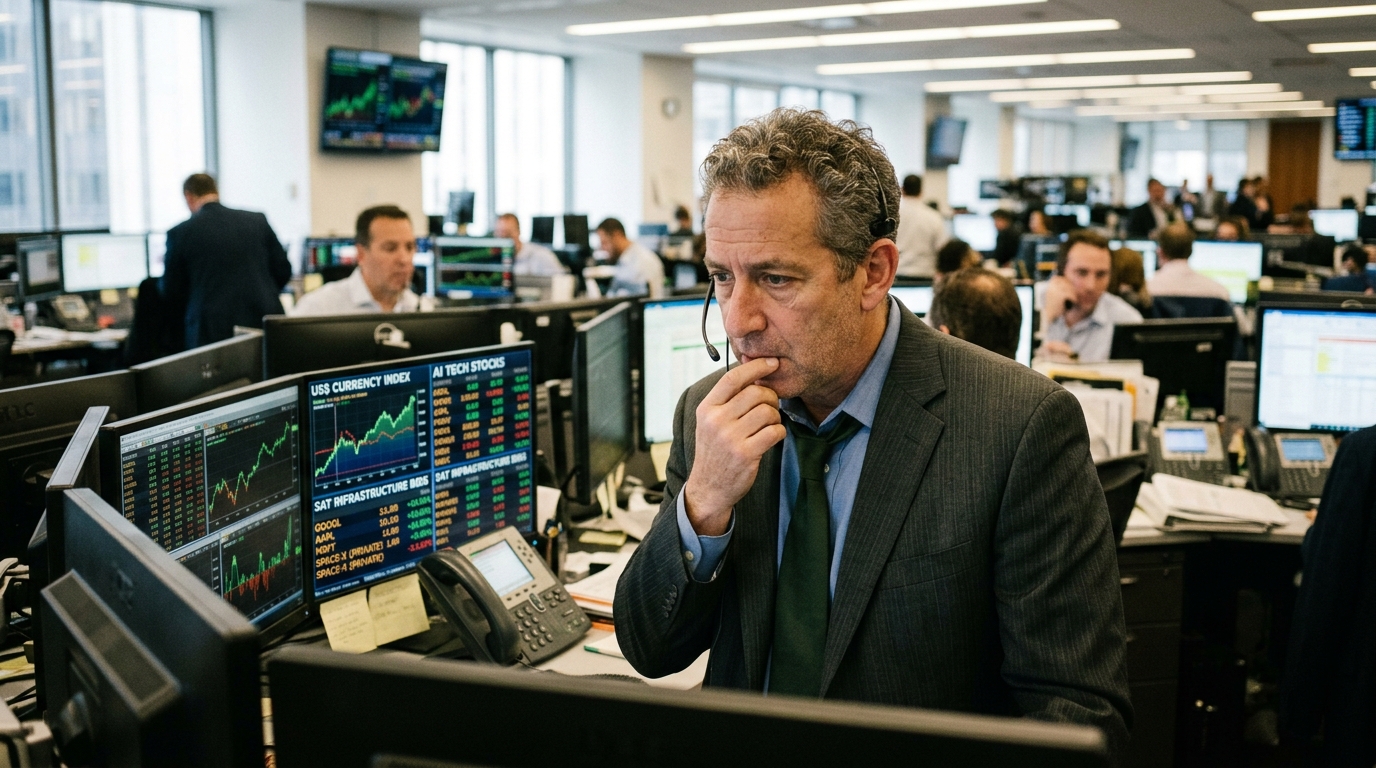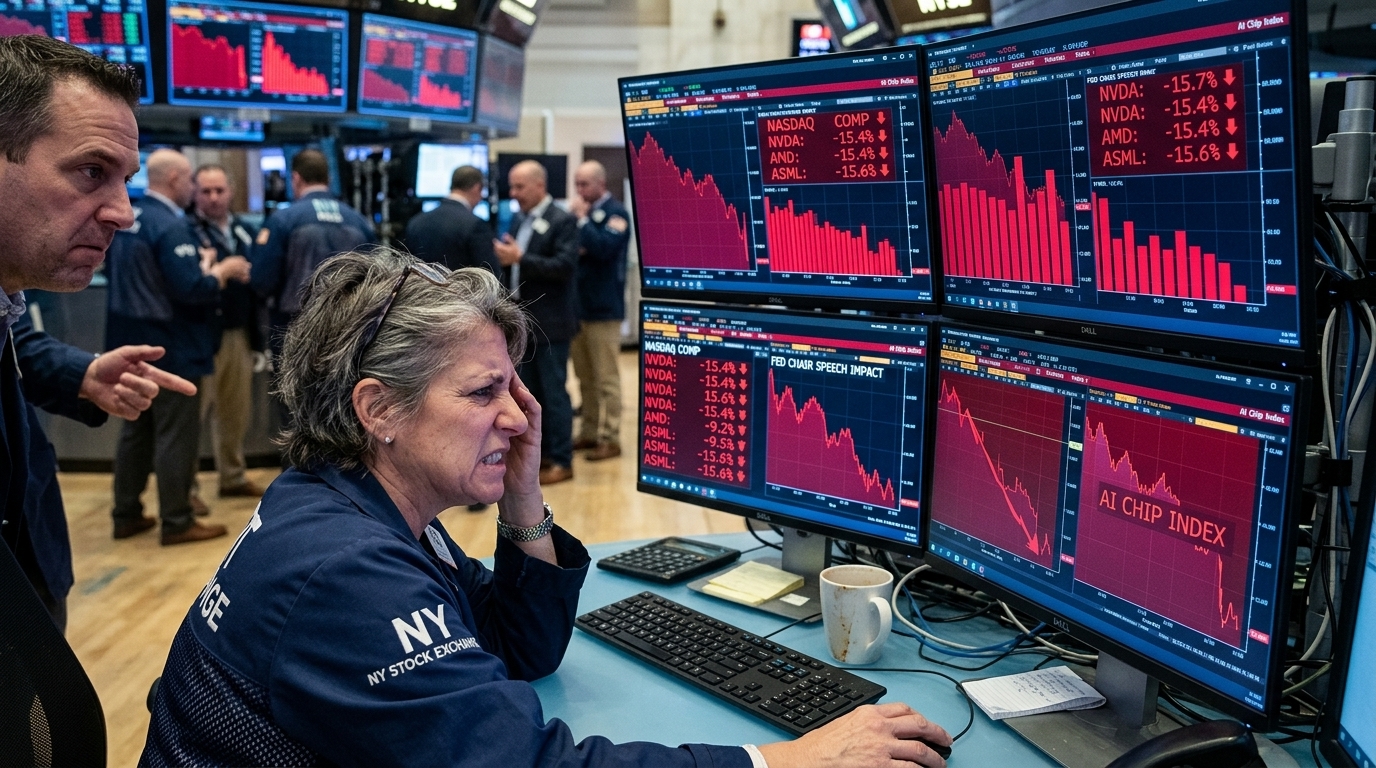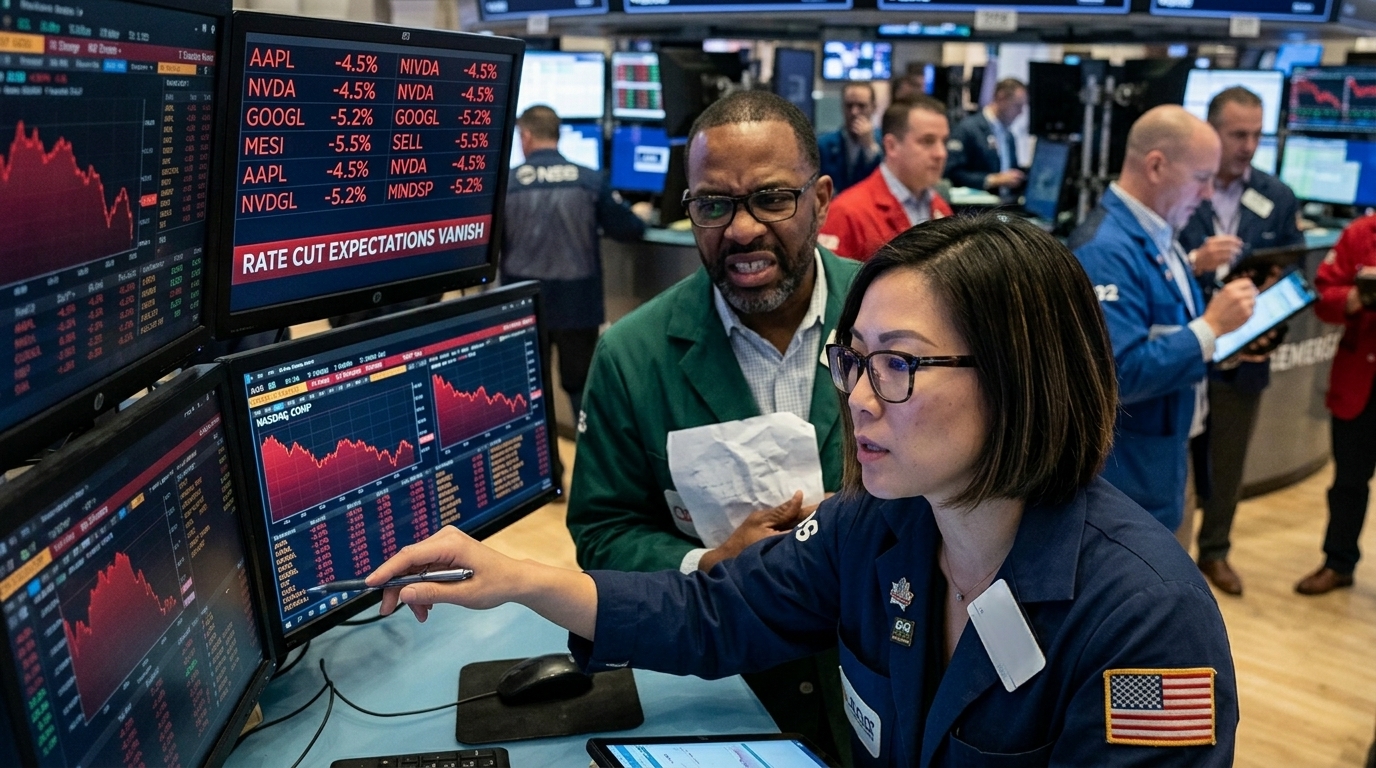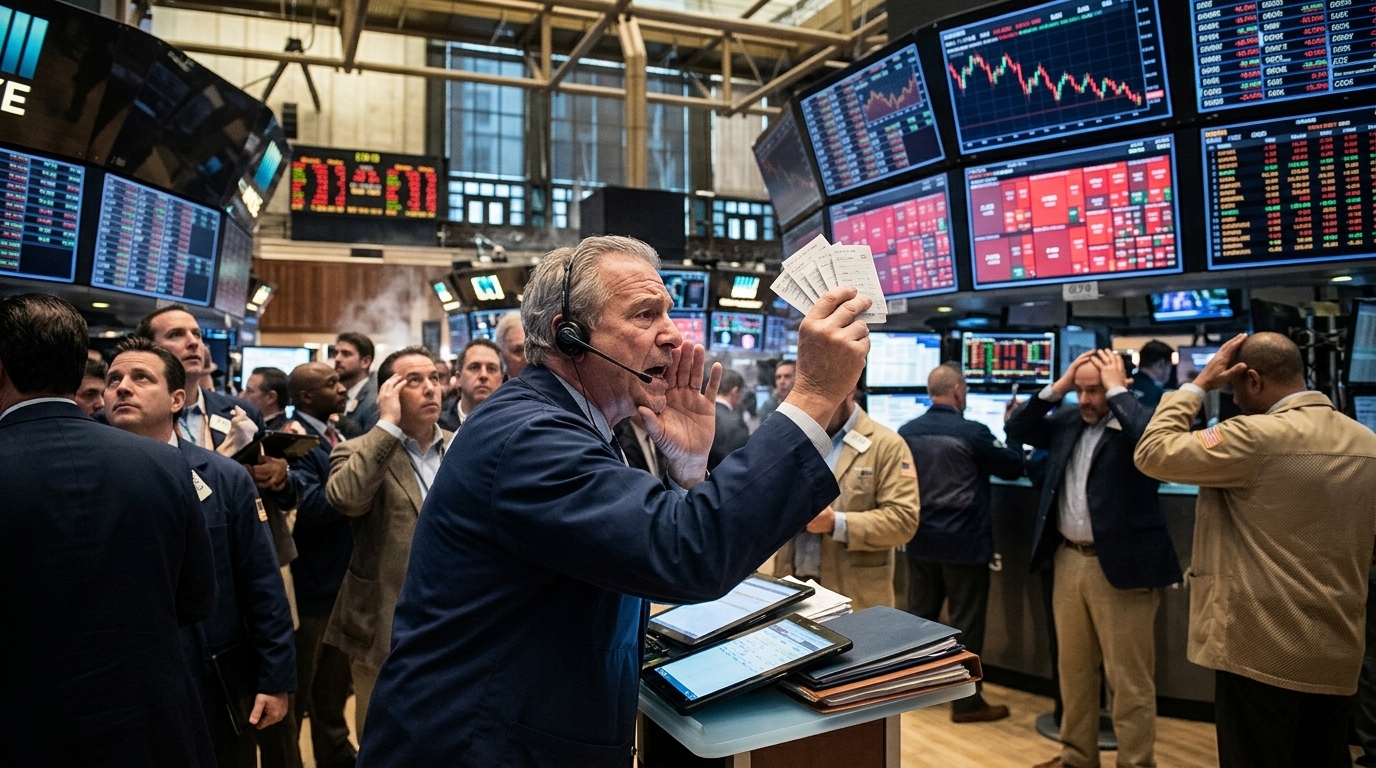
The global economy, despite its surface-level resilience following the pandemic, appears to be walking a tightrope. The Bank for International Settlements (BIS), often referred to as the 'central bank for central banks,' has issued a series of stern warnings that leave no room for complacency. The central question is no longer whether a crisis will occur, but what the specific catalyst will be. With public and private debt at record highs and the rise of Non-Bank Financial Intermediation (NBFI), the system looks more fragile than ever.
The Rise of Shadow Banking (NBFI)
One of the primary risks identified by the BIS is the explosive growth of 'shadow banking.' These are investment funds, hedge funds, and insurance companies that engage in bank-like activities but operate outside the strict regulatory framework imposed on traditional banks. These institutions now manage nearly half of the world's financial assets. The lack of transparency in their positions and the high degree of leverage they employ create a 'black hole' within the global financial architecture.
As the report highlights, during periods of stress, these institutions tend to withdraw liquidity abruptly, triggering chain reactions. We saw a glimpse of this during the UK Gilt crisis in 2022 and the collapse of Archegos. The problem is that central banks have limited tools to intervene in this sector, unlike commercial banks where clear bailout protocols exist. When liquidity dries up in the shadow sector, the contagion spreads rapidly to the core banking system.
The Debt Mountain and the Interest Rate Trap
The second front of concern is debt. After a decade of near-zero interest rates, the sharp pivot toward monetary tightening has created a massive refinancing shock. Many corporations and sovereign states borrowed under the assumption that money would remain cheap indefinitely. Now, as old bonds mature, renewing them comes at a cost that many simply cannot sustain.
- Global debt now exceeds 330% of global GDP.
- 'Zombie firms,' which survive only through continuous new borrowing, are increasing in number.
- Sovereign deficits remain high, limiting the fiscal capacity to respond to a new crisis.
The BIS warns that the bond market is particularly vulnerable. If investors begin to doubt the debt sustainability of major economies, a surge in yields could trigger a new sovereign debt crisis—similar to what the Eurozone experienced in the last decade, but on a global scale. This is exacerbated by the fact that central banks are currently trying to shrink their balance sheets (Quantitative Tightening), removing a key buyer from the market.
The Dangerous Loosening of Regulations
Despite the hard-learned lessons of 2008, a trend of 'regulatory fatigue' is emerging. In many jurisdictions, there is growing political pressure to relax bank capital requirements to stimulate growth. The BIS emphasizes that this is a historical mistake. The resilience of the banking system is the last line of defense. If banks are weakened at a time when non-bank risks are mounting, the next crisis will be impossible to contain.
"History teaches us that financial stability is not a given. It is the result of constant vigilance and rigorous rules. Relaxing now is like removing lifeboats from a ship because the sea looks calm," the report states poignantly.
Geopolitics and AI: The New Unknowns
Finally, the BIS introduces two new variables: geopolitical fragmentation and Artificial Intelligence. Trade wars and sanctions disrupt capital flows, making the system less efficient at absorbing shocks. At the same time, the use of AI algorithms in high-frequency trading can lead to 'flash crashes.' As these systems react simultaneously to specific market signals, they can drain liquidity in seconds, leaving human regulators powerless to stop the bleeding.
In conclusion, the next crisis may not originate from a major commercial bank but from an opaque corner of the derivatives market or a corporate debt refinancing failure. The BIS warning is clear: the window for preemptive action is closing, and preparing for a worst-case scenario is no longer optional—it is a necessity for survival in the modern financial landscape.