The US Treasury market, long regarded as the bedrock of the global financial system, is undergoing a period of intense volatility that is testing the limits of American fiscal policy. As bond yields climb to levels not seen in decades, Washington faces a painful question: How much weight can the US economy bear as the cost of debt becomes increasingly burdensome?
The Anatomy of a Bond Market Rout
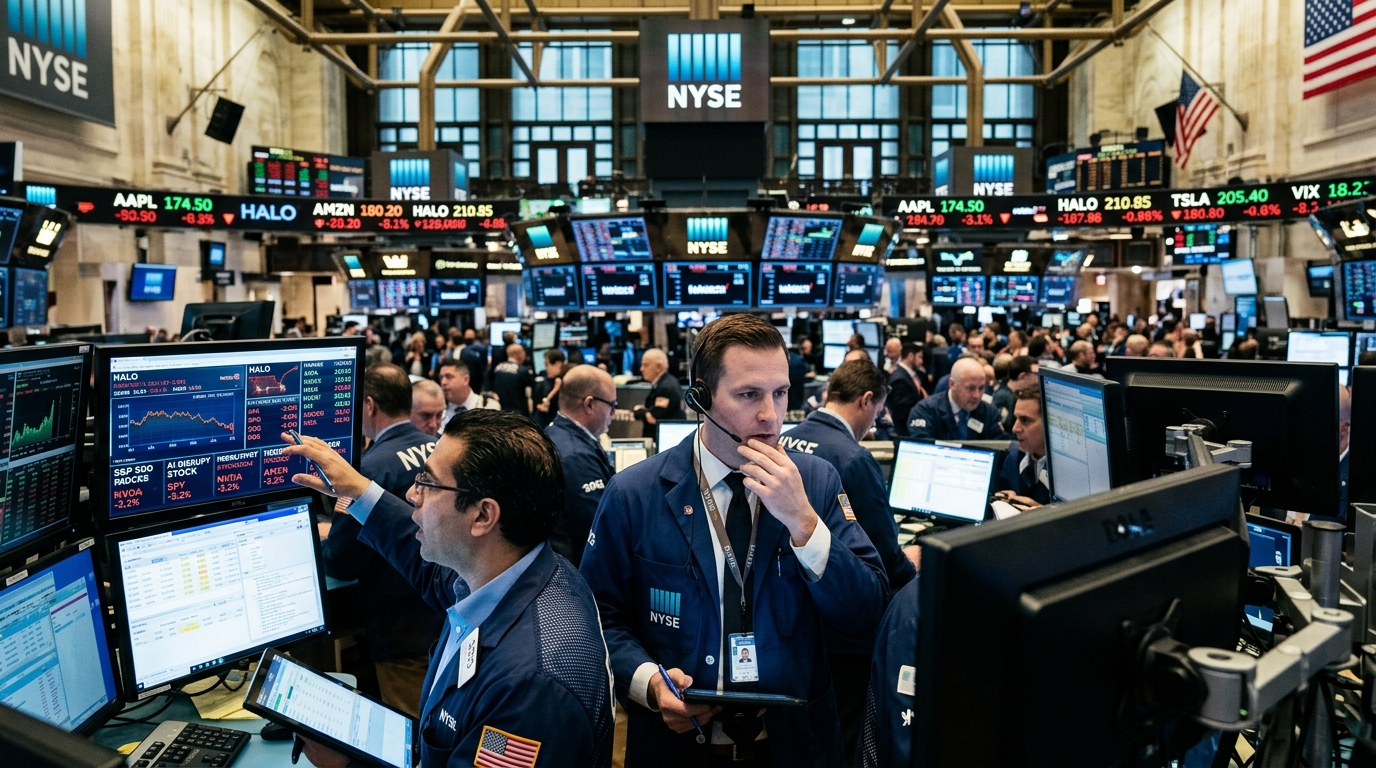
The recent sell-off in Treasuries is not a random event but the result of a convergence of factors. Persistent inflation, despite aggressive interest rate hikes by the Federal Reserve, has forced investors to re-evaluate the future. The expectation that rates will remain "higher for longer" has triggered massive liquidations, pushing yields upward. When bond prices fall, yields rise, and the cost of borrowing for the US government skyrockets.
With the national debt exceeding $34 trillion, every percentage point increase in yields translates into hundreds of billions of dollars in additional interest expenses. This creates a feedback loop: the government must borrow more just to service existing debt, increasing the supply of bonds in the market, which in turn pressures prices further downward. This technical dynamic is now meeting a political wall in Washington.
Political Deadlock and Fiscal Reality
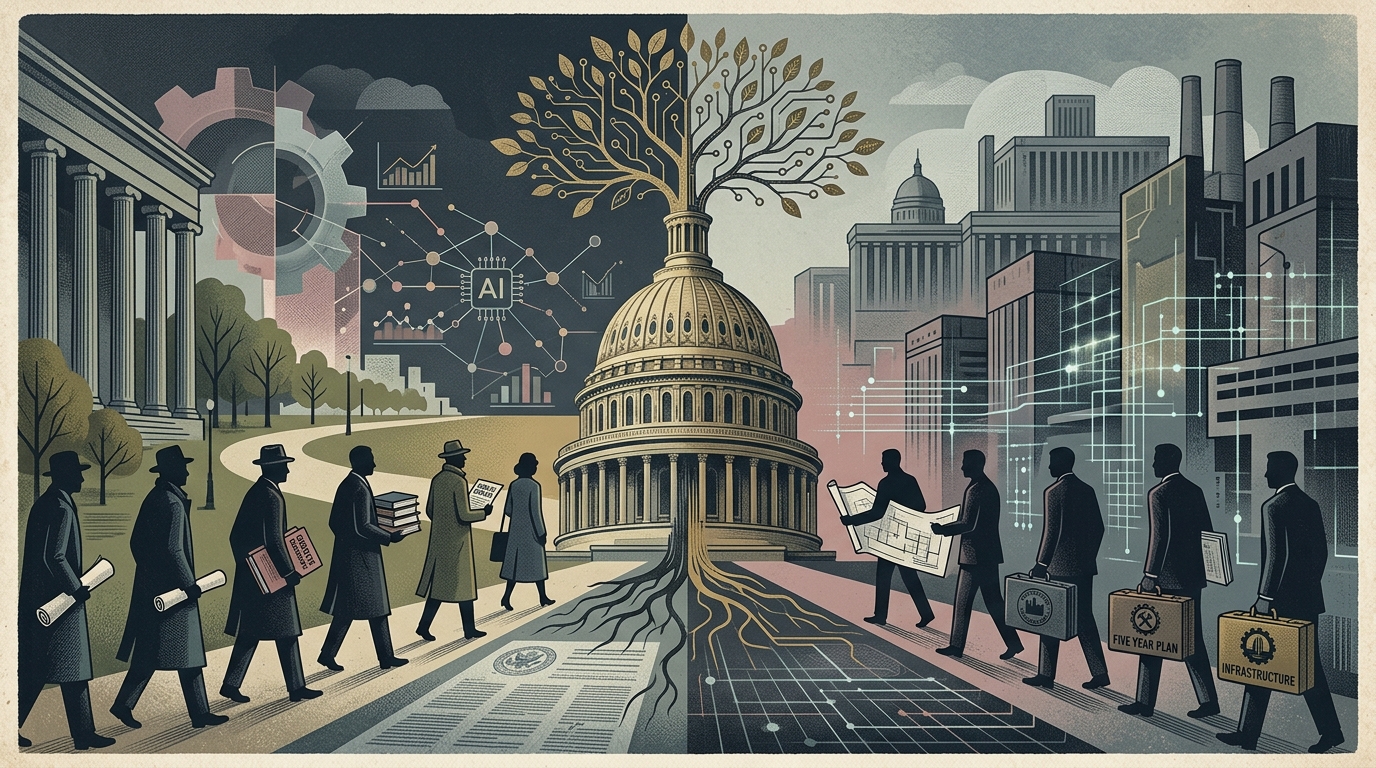
In Washington, concern is palpable. The Treasury Department, led by Janet Yellen, has attempted to soothe markets by emphasizing the resilience of the US economy. However, the political implications are unavoidable. In a year of heightened political polarization, deficit management has become a central battleground. Republicans are demanding drastic spending cuts, while Democrats strive to protect social programs and green energy investments.
The situation is further complicated by the changing profile of Treasury buyers. Traditional pillars of support, such as foreign central banks—particularly those of China and Japan—have been reducing their holdings. This shift leaves the market more exposed to the whims of price-sensitive private investors and hedge funds, heightening volatility. Washington's "tolerance" for higher borrowing costs is no longer just an economic metric; it is a matter of national security and strategic autonomy.
Impact on the Real Economy
The consequences of rising yields extend far beyond the halls of Congress. Treasury rates serve as the benchmark for the entire economy. From mortgage rates, which have hit multi-decade highs, to corporate loans and credit cards, the American consumer is feeling the squeeze. The housing market has effectively frozen as prospective buyers find monthly payments increasingly unaffordable.
- Mortgage rates hovering above 7%, stifling home sales.
- Reduced liquidity for small and medium-sized enterprises (SMEs).
- Downward pressure on equity valuations as bonds offer competitive risk-free returns.
If this trend persists, the Federal Reserve may find itself in a corner. It might be forced to intervene in ways that contradict its inflation-fighting mandate—such as resuming bond purchases (Quantitative Easing)—which would signal a major retreat from its current monetary tightening cycle.
Conclusion: A Turning Point for the Dollar?
The current Treasury rout is a stark reminder that the era of "easy money" is over. Washington is being called to demonstrate fiscal discipline at a time when geopolitical challenges demand increased spending. The balance is delicate, and the margin for error is narrowing. The credibility of the US dollar as the world's reserve currency depends heavily on the government's ability to convince markets that its debt remains sustainable, even in a high-interest-rate environment. The coming months will determine whether Washington can adapt to this new reality or if a more systemic crisis is on the horizon.