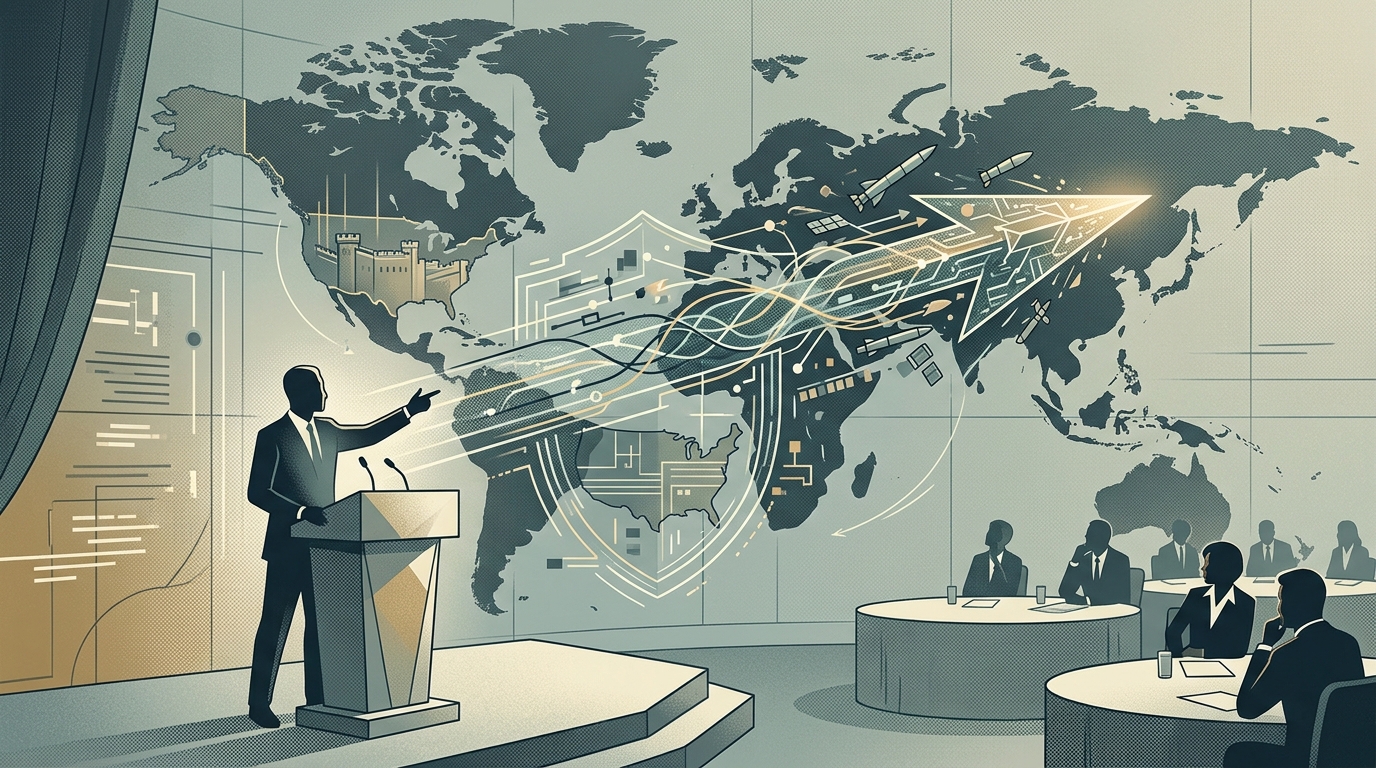
In an era where the geopolitical chessboard of the Middle East resembles shifting sands, the revelation of a secret procurement network between Iran and the United Arab Emirates (UAE) highlights the profound cracks in the international sanctions regime. According to an extensive report by the Financial Times, the Islamic Revolutionary Guard Corps (IRGC) has successfully established a "shadow economy" that allows it to acquire critical Chinese equipment—essential for its drone and ballistic missile programs—by using commercial front companies in Dubai and Abu Dhabi.
This disclosure is not merely news about embargo violations; it is a piercing look into how technology and capital flow through the gaps of globalization. Despite suffocating pressure from the United States, Iran demonstrates a remarkable capacity for adaptation, turning its neighbors—who officially belong to the Western camp—into unwitting or willing accomplices in a massive high-tech smuggling operation.
The UAE Connection: A Double-Edged Hub
The United Arab Emirates has for decades served as the commercial heart of the region. However, its very nature as a free trade hub makes it an ideal sanctuary for shell companies. The FT report describes how hundreds of small logistics and electronics firms, registered in Dubai's free zones, act as intermediaries. These entities purchase components from China—ranging from microchips to advanced sensors—and then re-export them to Iran, often with forged documentation citing different final destinations or civilian end-uses.
The paradox lies in the fact that the UAE maintains close defense ties with Washington. However, its economic survival depends on the flow of capital and commodities, creating a "blind spot" in transaction policing. U.S. authorities have repeatedly warned the Emirati government about these activities, but the network appears so fragmented and deeply rooted that controlling it becomes nearly impossible without damaging the country's commercial reputation.
The Chinese Link: Borderless Technology
China remains the primary supplier for this network. These are not always state-owned enterprises, but a vast private sector producing dual-use technology. While intended for civilian applications, these components can easily be integrated into military systems. Tehran has strategically invested in the Chinese market, exploiting the fact that Beijing does not enforce unilateral U.S. sanctions with the same rigor.
"Iran no longer buys ready-made weapons systems. It buys the ingredients to build them itself, and the network in the Emirates is its supermarket," a security analyst told the Financial Times.
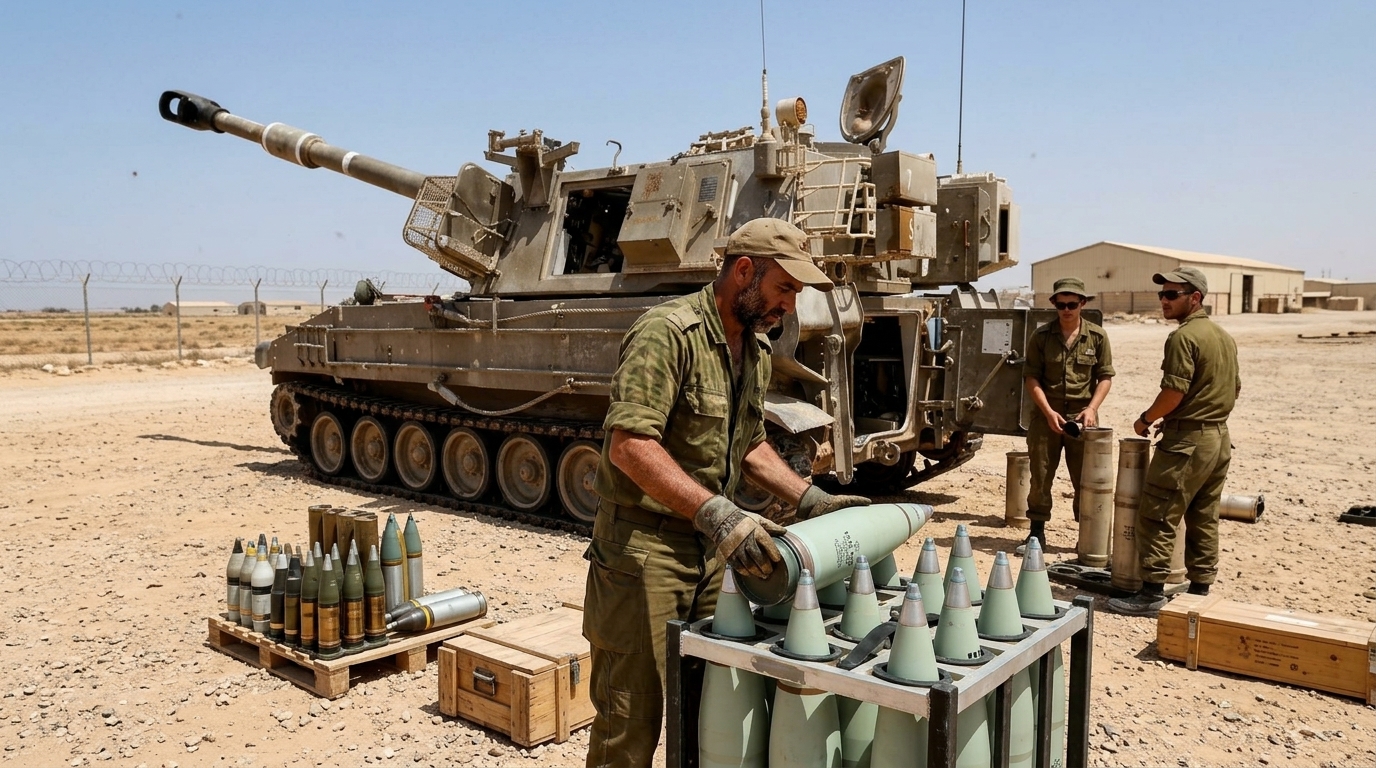
The flow of these components has a direct impact on battlefields, from Ukraine—where Iranian Shahed drones are deployed—to the Red Sea and Houthi attacks. The IRGC's ability to control this procurement network allows it to maintain regional influence despite the country's economic isolation.
The Challenge for the West and the Road Ahead
The exposure of this circuit places the West before a serious dilemma. Imposing secondary sanctions on Emirati companies risks disrupting relations with a critical Gulf ally. On the other hand, tolerance allows Iran to continuously upgrade its arsenal. Analysts suggest that the solution lies not only in prohibitions but in enhancing the transparency of banking transactions and the traceability of high-tech products.
In conclusion, the secret Iran-UAE network is a symptom of a broader shift in the global order. Power is no longer measured solely by aircraft carriers, but by the ability to manage shadow supply chains. As technology becomes more accessible and intermediaries more inventive, the sanctions war will increasingly resemble a ghost hunt in a digital labyrinth.