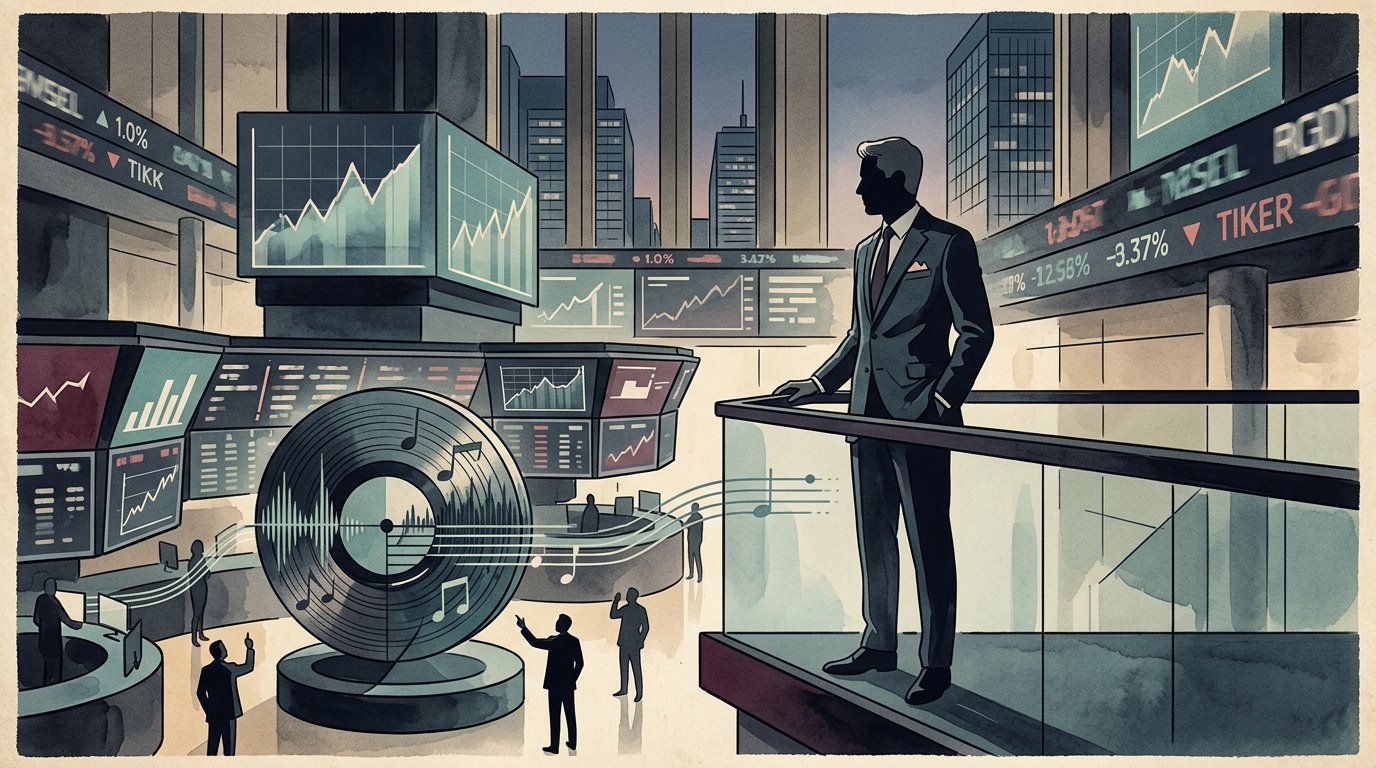
May 2026 will be etched in the annals of financial history as the moment the Software-as-a-Service (SaaS) sector proved its critics wrong. Following a grueling period of skepticism where the term 'SaaSpocalypse' dominated headlines, software stocks have just concluded their strongest monthly performance since the dot-com recovery of 2001. This surge is not merely a technical rebound; it represents a fundamental recalibration of how the market values the intersection of cloud computing and Artificial Intelligence.
Deconstructing the SaaSpocalypse Narrative
For the better part of two years, a shadow hung over the software industry. The prevailing narrative suggested that Generative AI was an existential threat to the subscription model. Critics argued that if AI could write code and automate workflows autonomously, the need for expensive third-party platforms like Salesforce, HubSpot, or Zendesk would evaporate. This fear led to a massive compression in valuation multiples, leaving many high-quality companies trading at prices not seen in a decade.
However, the data from May 2026 tells a different story. Enterprise customers are not abandoning their software suites; they are deepening their integration. The complexity of managing proprietary data, ensuring security, and maintaining compliance means that 'DIY' AI solutions are often more costly and risky than subscribing to a trusted vendor. The 'SaaSpocalypse' was, in hindsight, a classic case of market overreaction to a disruptive technology.
Monetizing the Machine: From Hype to ROI
The catalyst for this historic rally has been the tangible evidence of AI monetization. Investors are no longer satisfied with 'AI-enabled' marketing fluff; they are looking at the bottom line.
- Major players have successfully rolled out 'AI Agents' that perform complex tasks, charging a premium that has significantly boosted Average Revenue Per User (ARPU).
- Companies like ServiceNow and Workday have demonstrated that AI integration reduces churn, as the software becomes more deeply embedded in the client's operational fabric.
- The infrastructure layer, including observability and data warehousing firms, is seeing a 'second wind' as the sheer volume of data required for AI models continues to grow.
"We are witnessing the transformation of software from a tool into a teammate. The subscription model isn't dying; it's evolving into a performance-based partnership," noted a senior strategist at Morgan Stanley.
Market Dynamics and the Return of the Bulls
The macroeconomic backdrop of 2026 has provided the necessary fuel for this fire. As interest rates begin a slow but steady descent, the discounted future cash flows of growth-oriented software companies become much more attractive to institutional investors. The sector's inherent scalability and high gross margins (often exceeding 80%) make it a prime beneficiary of a stabilizing economy.
Furthermore, we are seeing a wave of consolidation. Larger players, flush with cash, are acquiring smaller, specialized AI-first startups at a rapid pace, integrating their technology into broader platforms. This M&A activity has created a floor for valuations and signaled to the market that the industry's leaders are confident in their long-term dominance. The rally of May 2026 marks the end of the 'defensive' era for software and the beginning of an aggressive new chapter of AI-driven growth.