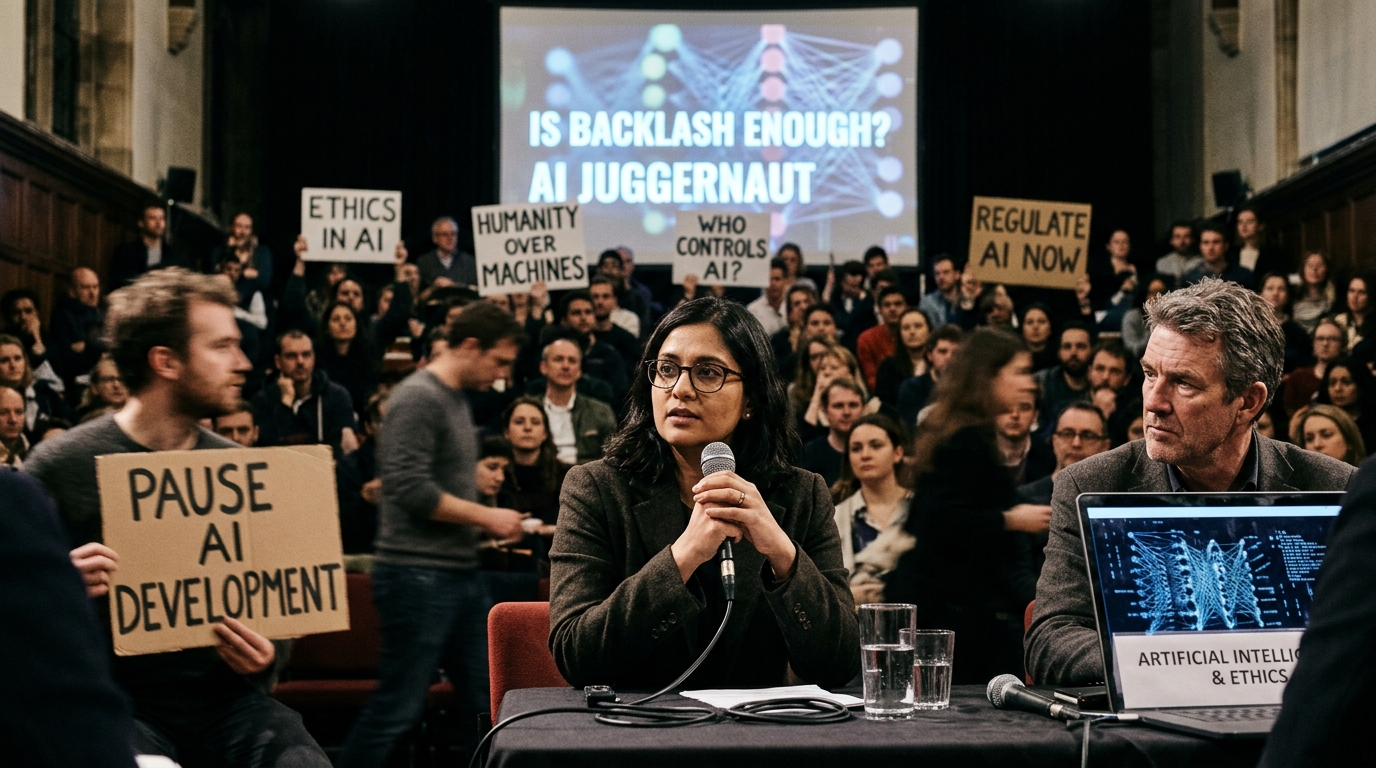
The job market of 2026 bears little resemblance to the traditional resume submission process we knew a decade ago. The advent of Generative AI has transformed job hunting into an "arms race of algorithms," where candidates use ChatGPT and Claude to compose cover letters, while employers deploy sophisticated Applicant Tracking Systems (ATS) to reject them in fractions of a second. However, this automated efficiency hides traps that could cost a talented professional their dream position.
The Rise of the "Perfect" but Hollow Resume
The use of AI allows candidates to tailor their resumes to job requirements with unprecedented speed. By inputting a job description into an AI model, a candidate can receive a text that includes all the keywords the employer's algorithm is searching for. But this creates a paradox: when everyone uses the same tools to look "perfect," no one stands out. Experts warn that AI-generated resumes often lack the personal touch and specific achievements that prove a person's true value.
Furthermore, there is the risk of "hallucinations." There are numerous cases where AI, in its attempt to make a candidate appear more attractive, invents skills or experiences that do not exist. Such an inaccuracy, if detected during the interview, can lead to immediate disqualification and a permanent blacklist for the candidate.
The Ethics of Authenticity in the Digital Age
The question that arises is ethical: Is using AI in a job search "cheating"? The answer is not simple. While using AI to correct grammar or structure thoughts is considered acceptable, fully outsourcing writing to technology raises questions about the candidate's honesty. Recruiters are now beginning to be trained in identifying AI-generated texts, looking for the typical, often repetitive structure that characterizes these models.
"If a candidate cannot take the time to write an authentic cover letter, how can we expect them to demonstrate creativity and initiative within the company?"
This view is gaining ground in many large corporations, which are returning to more traditional assessment methods, such as live tests or unannounced phone interviews, to ensure that the person behind the resume is real and capable.
The Danger of Algorithmic Bias
From the corporate side, over-reliance on AI for filtering candidates carries the risk of bias. Algorithms are trained on historical data, which often contain human biases regarding gender, ethnicity, or age. If a company uses AI to find candidates who look like the "successful employees" of the past, it risks excluding the diversity and innovation that new talent brings.
Candidates must be aware that the battle is not just against other humans, but also against software "black boxes" that may reject them for reasons that even the system's developers do not fully understand.
Strategies for a Balanced Search
To successfully navigate this new landscape, AI must be treated as an assistant rather than a replacement. Experts suggest the following:
- Use AI for research: Ask AI to analyze company culture or suggest potential interview questions.
- Personalize the content: Never copy AI text verbatim. Add personal stories, specific numbers, and your own voice.
- Verify accuracy: Ensure every word on your resume corresponds to reality.
- Invest in networking: In a world full of AI bots, human contact (networking) through LinkedIn or events remains the most reliable way to bypass algorithmic filters.
In conclusion, artificial intelligence is a powerful tool that can democratize access to career opportunities, provided it is used with moderation and ethical responsibility. Authenticity remains the rarest and most valuable currency in the job market of the future.