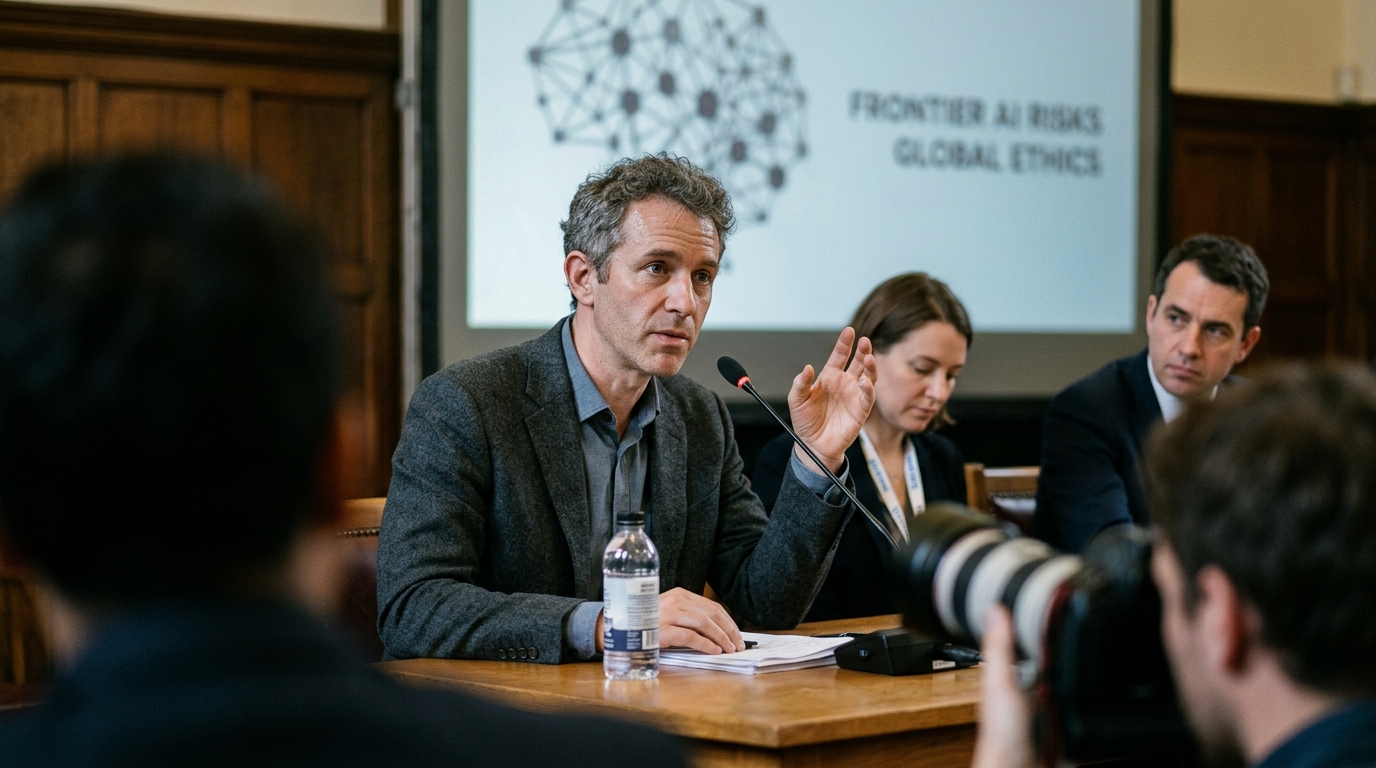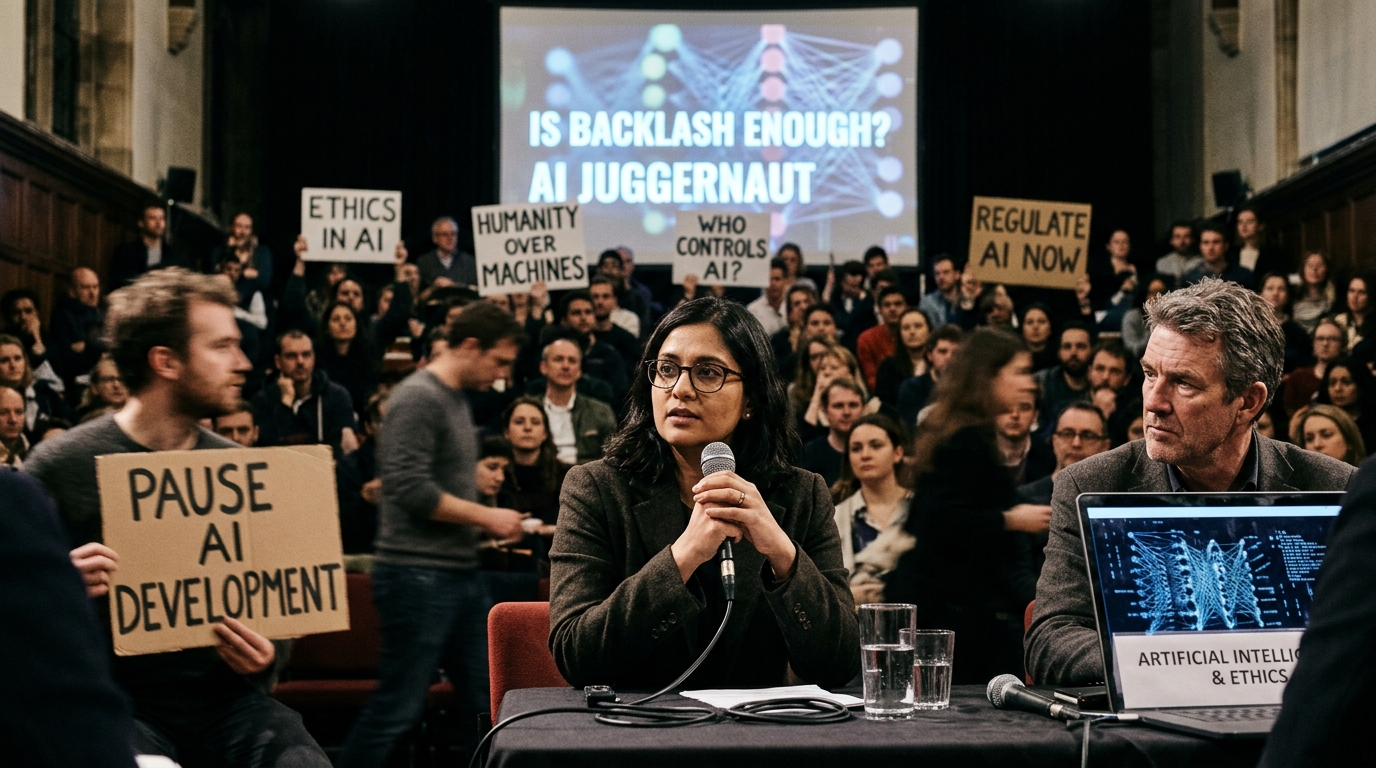
The history of technological progress has rarely been a straight, cloudless line. From the Luddites of the Industrial Revolution to the anti-nuclear protests of the 20th century, every leap into the unknown is accompanied by a potent dose of skepticism and fear. Today, we find ourselves at the center of a global debate over Artificial Intelligence (AI), where the speed of evolution appears to outpace our capacity for ethical and regulatory oversight. The question being asked with increasing intensity is whether the mounting social and legal backlash is capable of slowing the momentum of this new era.
The Intellectual Property and Creativity Battlefield
One of the most intense focal points of resistance is found within the realms of literature and the arts. Lawsuits from major publishing houses, newspapers like the New York Times, and artists' unions against companies such as OpenAI and Midjourney are not mere legal skirmishes; they represent an existential battle over the value of human creation. Artists argue that AI models are trained on their work without consent or compensation, turning the wealth of human culture into "raw material" for algorithms that will eventually replace them.
This "creators' rebellion" has begun to bear fruit. We are already seeing the emergence of new regulatory frameworks, such as the European Union's AI Act, which imposes stricter transparency requirements for training data. However, critics argue that tech giants have already "swallowed" the internet and that any regulation comes after the fact, acting more as a tax than a brake on development.
Labor Insecurity and the Social Contract
Beyond the arts, the threat of automation looms over white-collar labor. From software developers to legal consultants, the realization that AI can perform 80% of tasks in 20% of the time is causing tremors in the job market. The reaction here is not just individual but collective. Unions worldwide are beginning to incorporate "AI protection" clauses into collective bargaining agreements, as seen in the historic Hollywood writers' strike.
Yet, the economic logic of efficiency is relentless. Corporations, pressured by shareholders for maximum profit, see AI as a golden opportunity for cost reduction. This clash between social stability and corporate profitability is where the "backlash" is truly tested. If society does not offer an alternative solution, such as Universal Basic Income or mass-scale retraining, the backlash could transform into social upheaval.
The Environmental Cost and Energy Hunger
A point often overlooked, yet triggering strong reactions from environmental organizations, is the massive energy footprint of AI. Training a single large language model requires energy that could power hundreds of households for years, while cooling data centers consumes millions of liters of fresh water. In a world struggling with climate change, the "digital luxury" of AI is being called into question.
"We cannot save the planet with algorithms that destroy it in their attempt to understand it," climate activists state.
This ecological backlash is forcing companies to invest in "greener" solutions, but the speed of demand for computing power is growing faster than the capacity to produce renewable energy. Here, the backlash acts as an ethical mirror, reminding technocrats that progress cannot be sustainable if it ignores the physical limits of the planet.
Geopolitics and the Illusion of Deceleration
Despite the ethical and social voices, there is one factor that seems to make slowing down impossible: geopolitical competition. The AI arms race between the US and China means that neither side can afford to stop. "National security" is frequently used as the ultimate argument to bypass ethical concerns. When a state's survival or economic sovereignty depends on AI supremacy, popular backlash is treated as a secondary nuisance.
In conclusion, the backlash against Artificial Intelligence is powerful, multi-layered, and justified. It can shape the framework, impose rules, and delay certain applications, but it is unlikely to stop the momentum of the technology itself. History teaches us that technology does not stop; it simply integrates, often in ways that the original critics could not have imagined. The challenge for humanity is no longer "if" we move forward, but "how" we ensure this path does not leave behind the very human elements it seeks to augment.