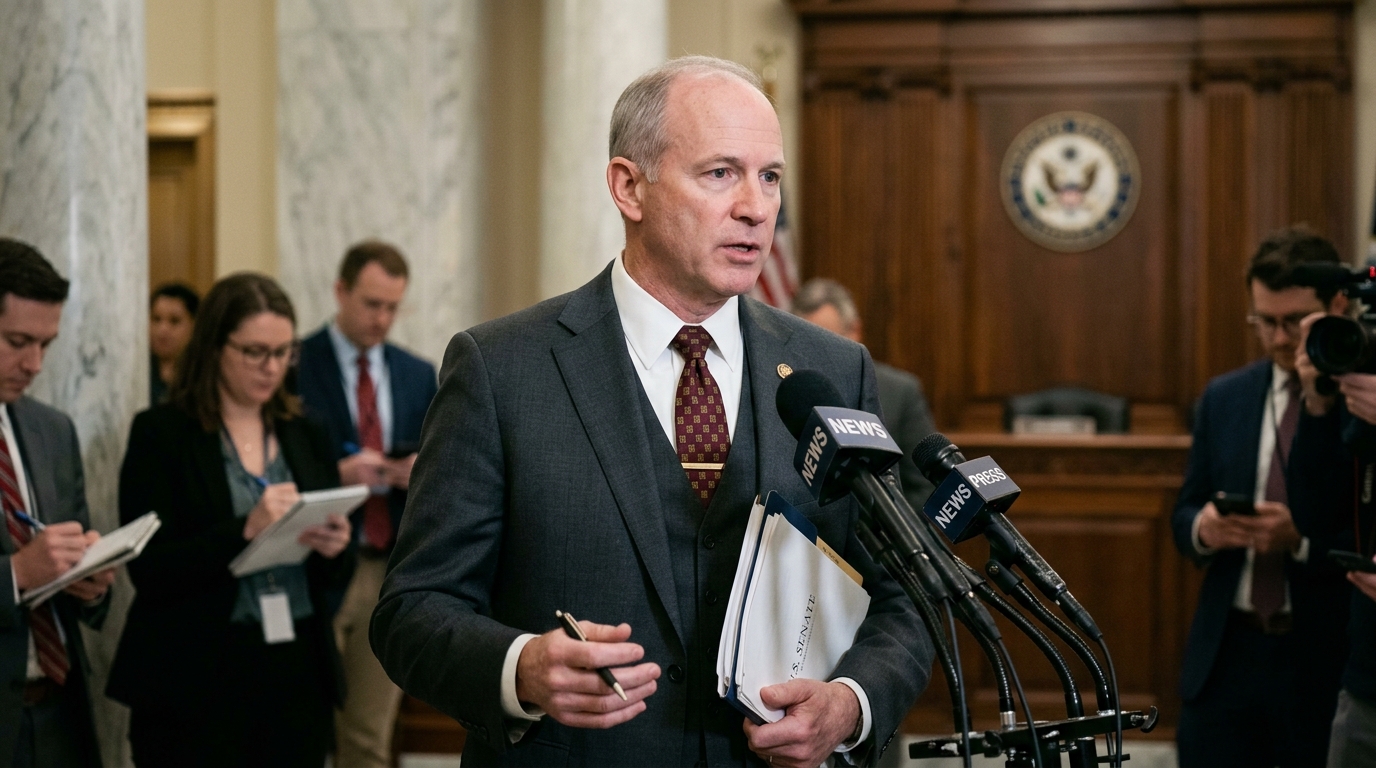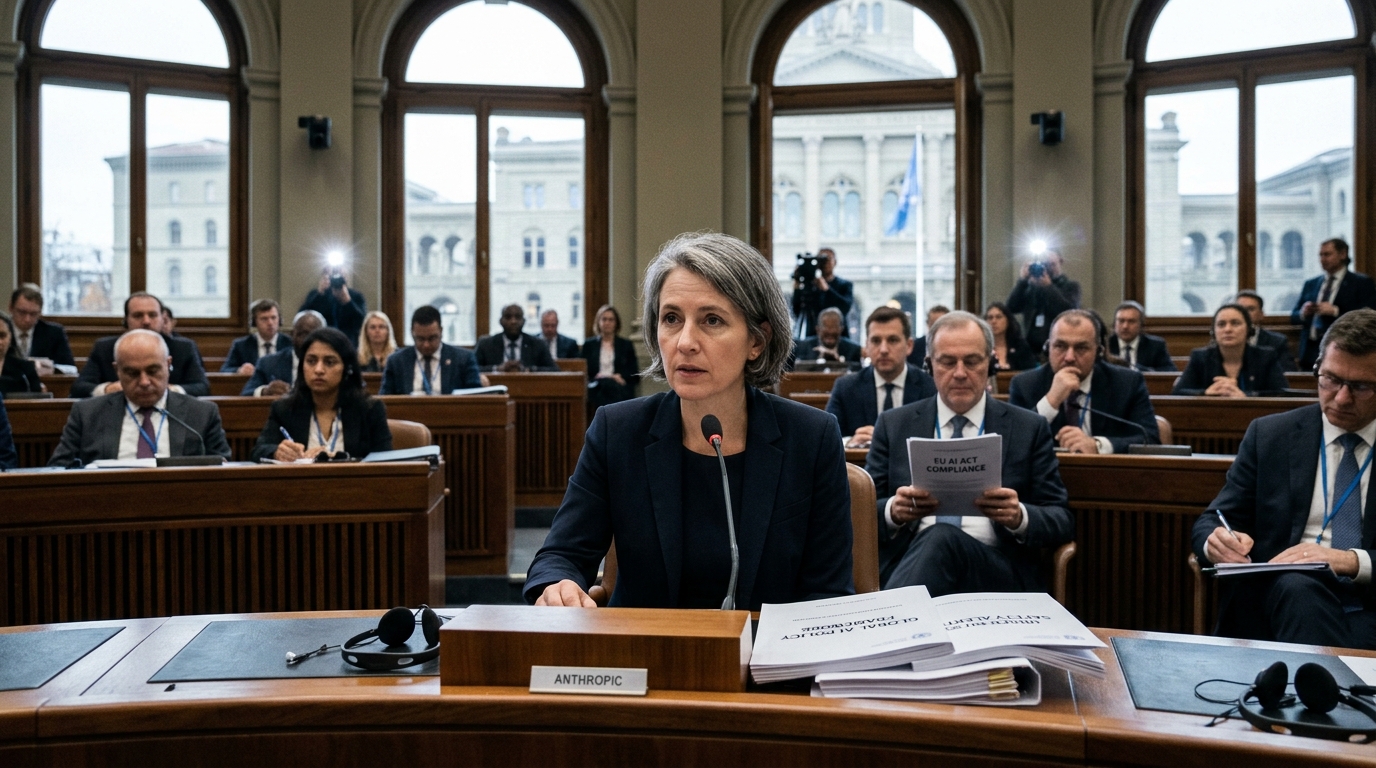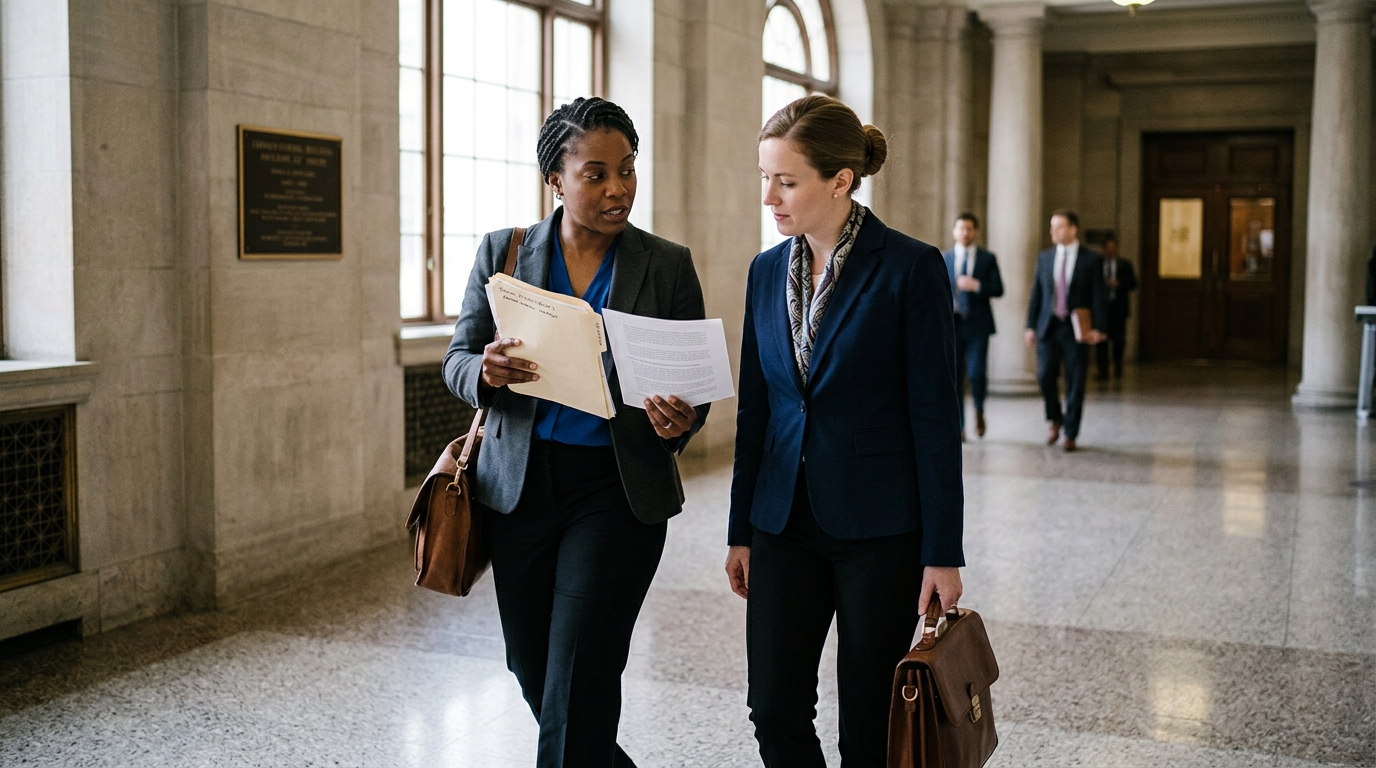
The rapid integration of Generative AI into the legal profession has pushed the U.S. judicial system toward a critical crossroads. As attorneys increasingly adopt tools like ChatGPT for drafting briefs and conducting legal research, a disturbing trend has emerged: the submission of filings containing 'hallucinations'—entirely fabricated court decisions, non-existent quotes, and fictional legal precedents. In response to this threat to judicial integrity, the U.S. Advisory Committee on Civil Rules is now formally considering the adoption of rules that would mandate legal professionals to certify the accuracy of AI-assisted filings.
The 'Hallucination' Crisis in the Courtroom
This phenomenon is no longer a theoretical concern. From New York to Missouri, judges have been confronted with legal documents citing cases that were never adjudicated. The most notorious example remains Mata v. Avianca, where two attorneys were sanctioned after submitting a brief filled with fake citations generated by ChatGPT. The issue lies in the inherent nature of Large Language Models (LLMs), which are designed to predict the next most likely word in a sequence rather than act as factual databases. When an LLM is prompted to find legal support that doesn't exist, it frequently 'invents' it with convincing, authoritative legal prose.
The proposal submitted to the committee seeks to amend the Federal Rules of Civil Procedure, potentially Rule 11, which already requires lawyers to conduct a 'reasonable inquiry' into the legal and factual basis of their claims. However, proponents of the new regulation argue that the complexity and speed of AI necessitate a more explicit obligation of disclosure and verification.
The Legal World's Reaction: Efficiency vs. Ethics
The debate surrounding these rules reflects a deeper schism within the legal community. On one side are the 'modernizers' who view AI as an essential tool for reducing legal costs and increasing access to justice. For them, excessive restrictions could stifle innovation and prevent the democratization of legal services. On the other side, 'traditionalists' and many judges warn that the trust underlying the judicial system depends on the accuracy of information. If judges cannot rely on the citations presented to them, the entire architecture of precedent-based law risks collapsing.
- Mandatory Disclosure: One proposal suggests that lawyers must explicitly state if AI was used to draft any part of a filing.
- Human Verification Certification: Lawyers would be required to sign a statement confirming that every citation has been manually verified through traditional legal databases (such as Westlaw or LexisNexis).
- Sanctions for Negligence: Strengthening fines and disciplinary actions for those who violate these rules, serving as a robust deterrent.
Many judges have already begun issuing their own 'standing orders' in their respective courtrooms, creating a patchwork of varying rules that causes confusion. The need for a uniform federal rule is becoming imperative to ensure consistency and fairness across the United States.
The Future of Justice in the Algorithmic Age
As we move into the latter half of 2026, artificial intelligence is no longer an exotic addition but the core of professional daily life. The challenge for the judiciary is not to ban the technology—which would be impossible and counterproductive—but to frame it with safeguards that protect the truth. Legal science is built on interpretation and judgment, qualities that AI, despite its impressive text-processing capabilities, still lacks.
"Artificial intelligence is an extraordinary assistant but a dangerous master. The responsibility for the validity of justice must remain exclusively human," a committee member noted during recent discussions.
The decision by the U.S. judiciary will set a global precedent. If these rules are adopted, it is almost certain that other judicial systems, including those in Europe and Asia, will follow suit, laying the groundwork for a new era of 'responsible algorithmic lawyering' where technology serves the law, rather than undermining it.