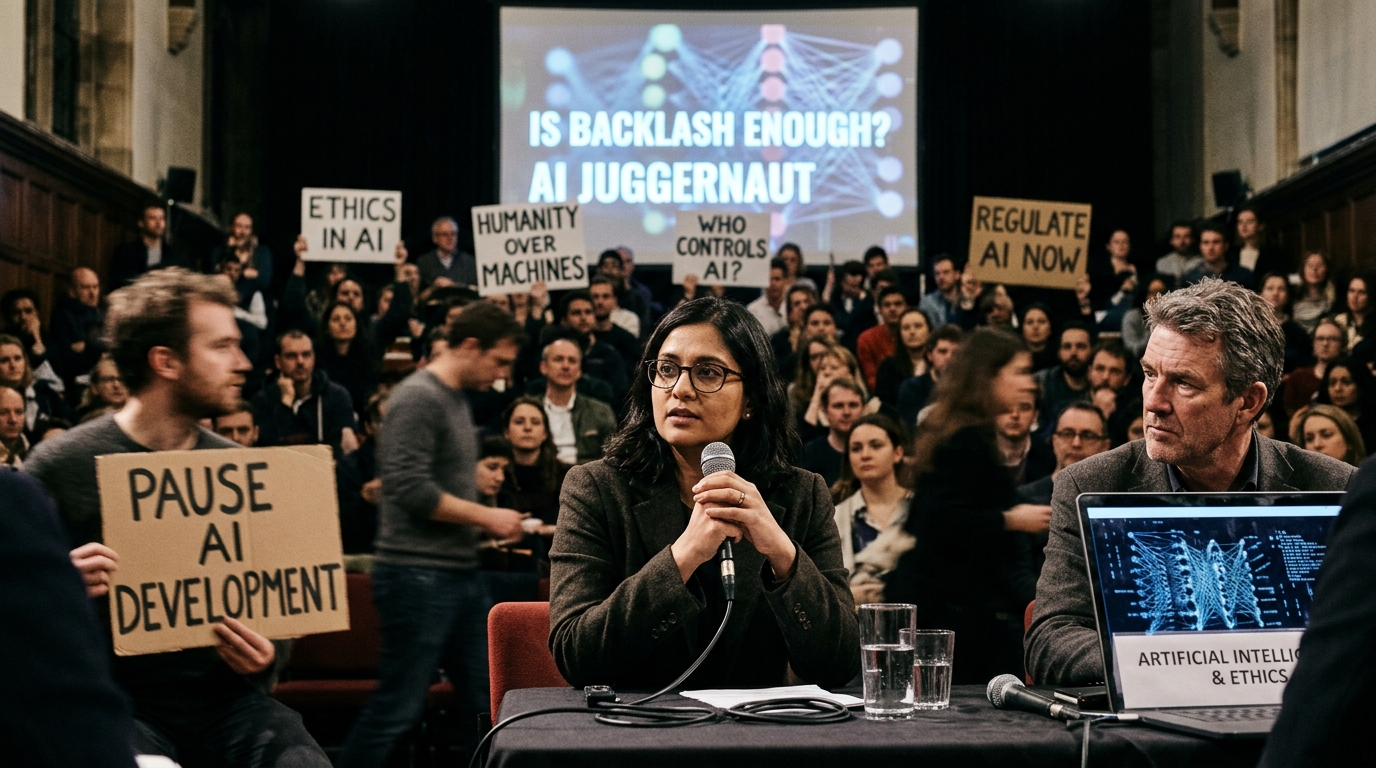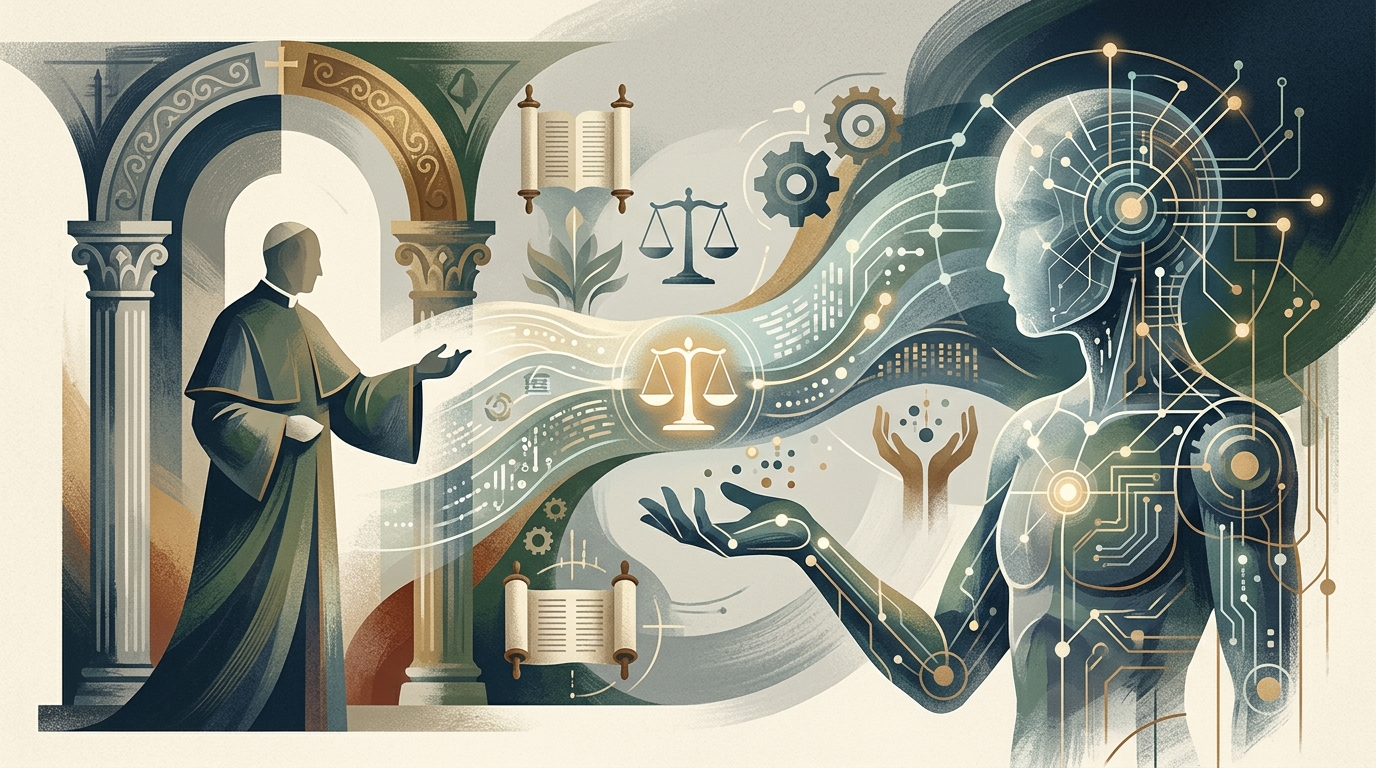
In an era where technological progress seems to outpace the human capacity for ethical reflection, the meeting between Mark Carney—former Governor of the Bank of England and UN Special Envoy for Climate Action—and the Vatican leadership marks a critical juncture. The discussion, centered on the implications of Artificial Intelligence (AI), was not merely a formal diplomatic encounter but a deep dive into the necessity for what the Vatican calls "Algorethics."
Carney’s involvement underscores the connection between global financial stability, the climate crisis, and the unchecked rise of AI. As algorithms take on an increasing role in decision-making processes that affect the lives of billions—from capital allocation to healthcare access—the question is clear: Who guards the guardians?
The Technocratic Paradigm and Human Dignity
At the heart of the dialogue was a critique of the "technocratic paradigm," a concept extensively developed by Pope Francis (referenced in the context of the meeting's alignment with the Vatican’s social encyclicals). This paradigm argues that technological efficiency has become the supreme value, often at the expense of human dignity and social justice. Carney, with his background in central banking, acknowledged that AI could exacerbate existing inequalities if not framed within a robust ethical structure.
The Church, for its part, is not opposed to technology but warns against the "idolatry of the market and the machine." The proposal to create a global code of ethics for AI—focusing on transparency, inclusion, and accountability—found common ground with Carney’s views on "responsible globalization."
Mark Carney’s Role and Financial Ethics
Why is a banker discussing AI ethics with the Pope? The answer lies in the nature of capital in the 21st century. Carney has repeatedly argued that markets do not operate in a value vacuum. Just as climate change poses a "systemic risk" to the economy, the unethical use of AI can lead to social destabilization and the erosion of trust in institutions.
During the talks, it was emphasized that AI should not be used to further concentrate power in the hands of a few tech giants but as a tool for the "common good." This includes using AI to accelerate the green transition while protecting workers who are at risk of displacement due to automation.
The Challenge of Governance
One of the most thorny issues discussed was governance. Both Carney and the Vatican agree that corporate self-regulation is insufficient. International cooperation involving governments, religious leaders, civil society, and the private sector is required. The "Rome Call for AI Ethics" serves as the foundation for this vision, asking tech developers to commit to principles that protect human beings.
"Technology is for humanity, not humanity for technology," was the central message emerging from the meeting.
In conclusion, this meeting serves as a reminder that Artificial Intelligence is not just a technical or economic issue, but a profoundly ethical and political one. The convergence of spiritual leadership and technocratic expertise may be our only hope to ensure that the future remains human-centric.