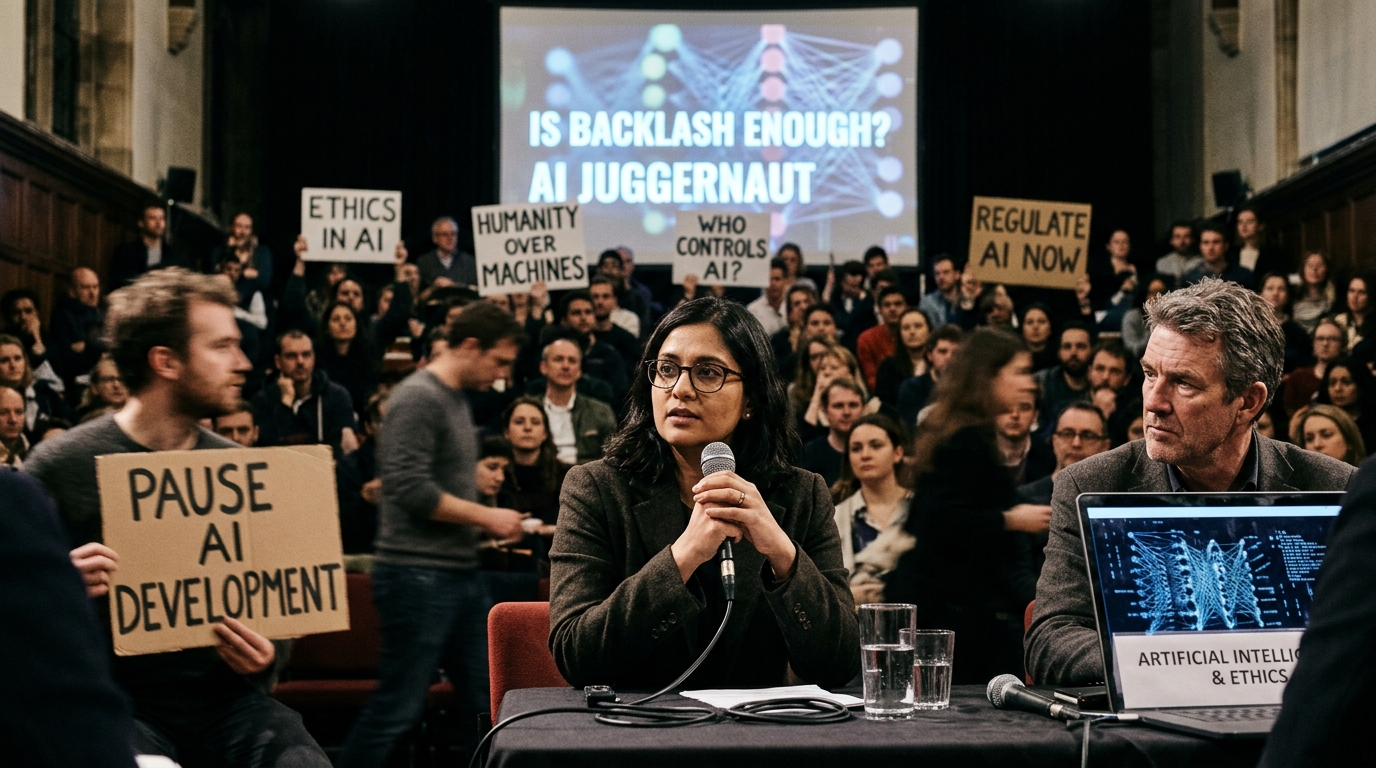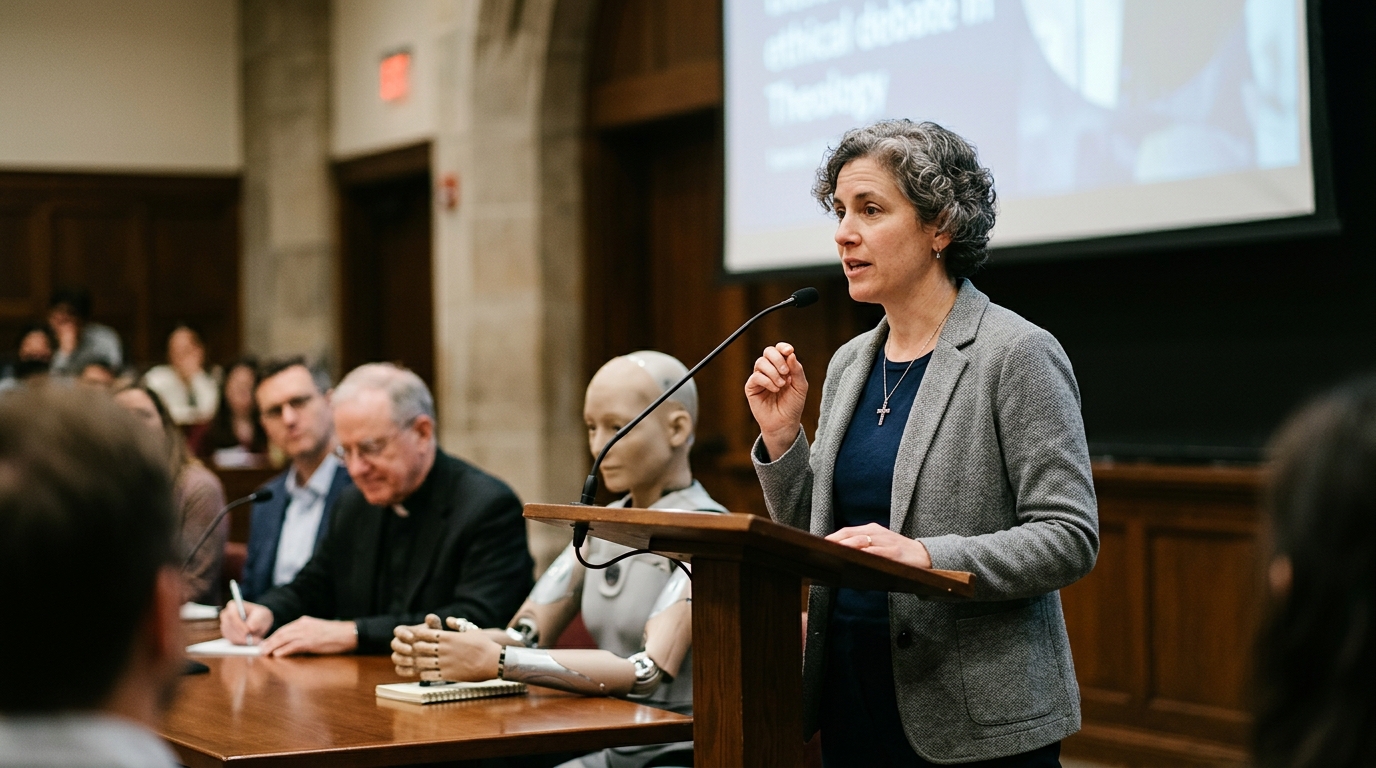
In an era where Silicon Valley seems to be racing at breakneck speed toward a future dominated by algorithms, an unexpected voice from the Vatican is asking the most fundamental question: Where are we headed? Pope Francis, through his recent interventions, has challenged the global community to consider whether we are building a new "Babel"—a monument to human pride leading to confusion and division—or a "Jerusalem," a city of peace and inclusion. Scholars at Santa Clara University (SCU), a leading Jesuit institution neighboring tech giants, have responded to this call, seeking ways to "disarm" Artificial Intelligence (AI).
The Babel Metaphor and Digital Fragmentation
The biblical image of the Tower of Babel was not chosen by chance. For SCU scholars, Babel represents the danger of top-down technological uniformity that stifles cultural diversity and human judgment. When AI is used to manipulate public opinion, reinforce biases, or create "echo chambers," technology becomes a tool of confusion similar to what shattered human communication in the ancient narrative.
In contrast, "Jerusalem" symbolizes the hope for a technology that facilitates encounter and dialogue. Scholars emphasize that "disarming" AI is not just about weapon systems, but also about the metaphorical disarmament of algorithms from aggressive commercial practices that sacrifice mental health and social cohesion for profit. Ethics, according to SCU’s Markkula Center for Applied Ethics, must be integrated into the design (ethics by design) rather than being an afterthought.
Algor-ethics: The New Ethical Compass
The term "algor-ethics," introduced by the Vatican, is at the heart of the discussion. Santa Clara professors argue that AI lacks a "heart" and a conscience; therefore, responsibility remains entirely with its creators and users.
"Technology is a human product and as such must be guided by values that transcend efficiency,"they state. Disarming AI means removing its potential to act as an autonomous judge of human worth.
In their discussions, academics point to three pillars for achieving this goal:
- Transparency and Accountability: Algorithms must not be "black boxes." We must know how decisions affecting our lives are made.
- Inclusivity: AI must be designed by and for everyone, not just a small elite of technocrats in the West.
- Protection of the Vulnerable: Technology should serve as a shield for the weak, not as a tool for further marginalization.
Toward Human-Centric Governance
The Pope’s challenge is not addressed only to believers, but to every thinking citizen. Santa Clara University, through its position at the heart of innovation, acts as a bridge between ethical philosophy and practical application. The idea of "disarming" AI entails a radical paradigm shift: from the technology of power to the technology of service. If we manage to transform our tools from weapons of imposition into means of cooperation, then perhaps our digital age will not end in a chaotic Babel, but in a global community with a shared vision.
In conclusion, the scholars' response highlights that the battle for the future of AI will not be fought in code labs, but in the field of values. The choice between Babel and Jerusalem is a daily one, concerning how we choose to interact with the machines we ourselves created.