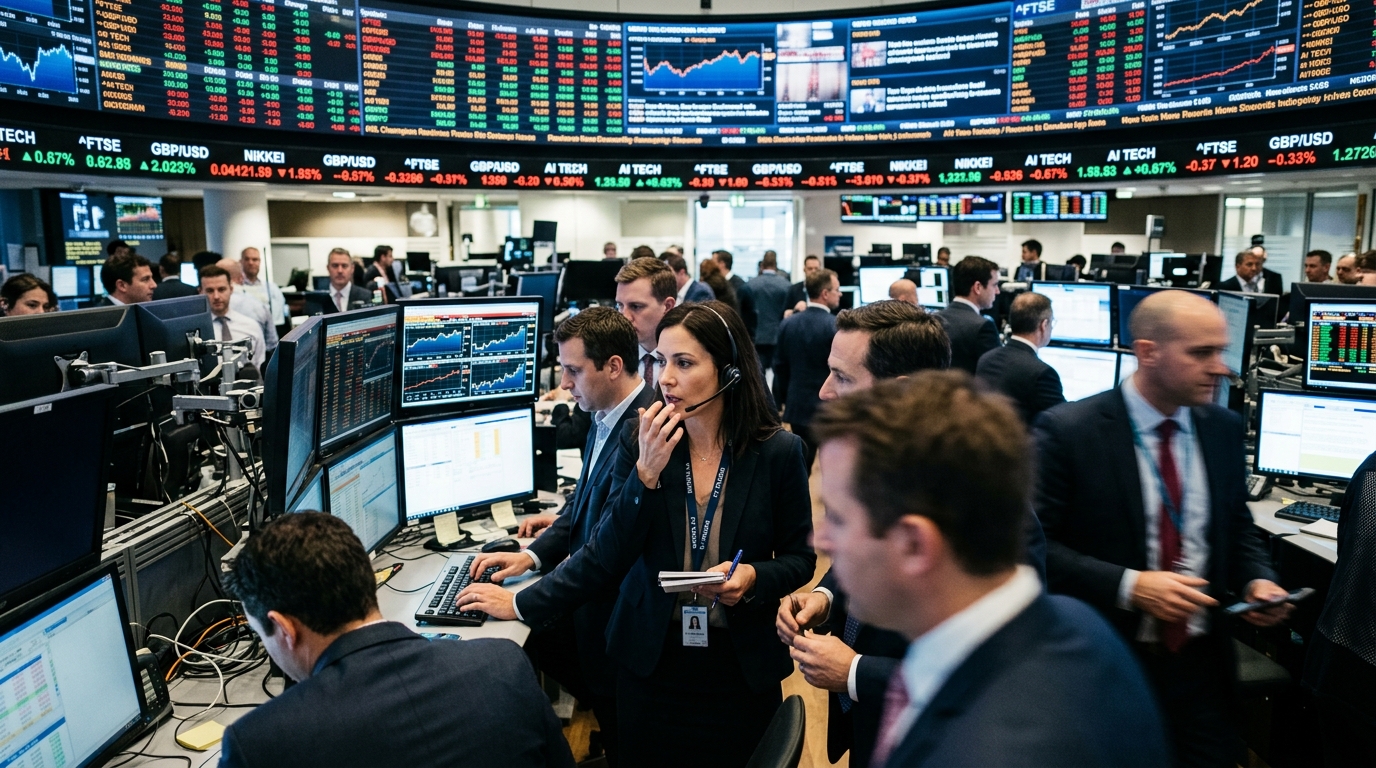
Market psychology is often more potent than economic fundamentals themselves. Today, May 23, 2026, the United States Federal Reserve is confronting a crisis that transcends mere statistics: a wholesale collapse of public confidence. According to recent data, consumer inflation expectations have begun to become "unanchored," a technical term that masks a terrifying reality—people no longer believe prices will return to normal levels in the foreseeable future. This phenomenon represents the ultimate nightmare for central bankers, as expectations tend to function as self-fulfilling prophecies in a modern economy.
The Geopolitical Spark and the Oil Factor
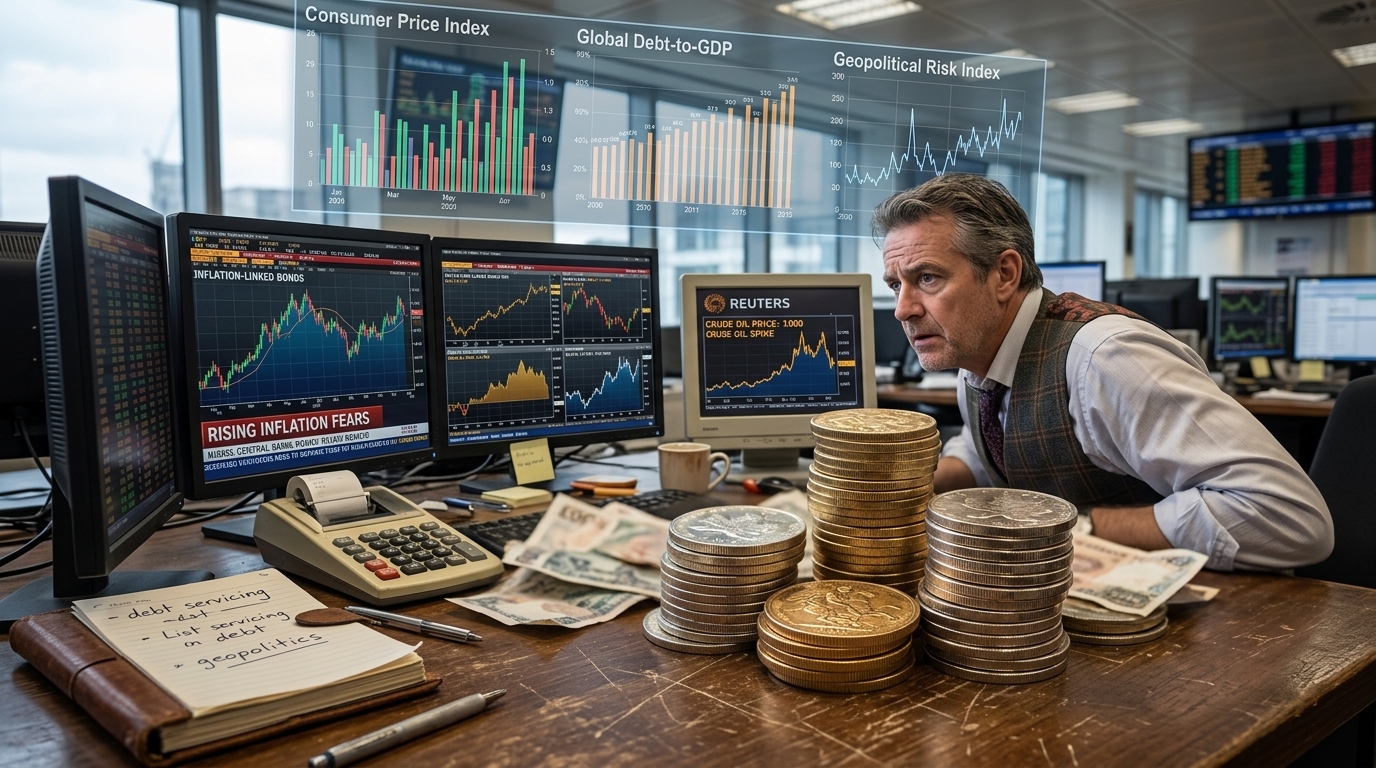
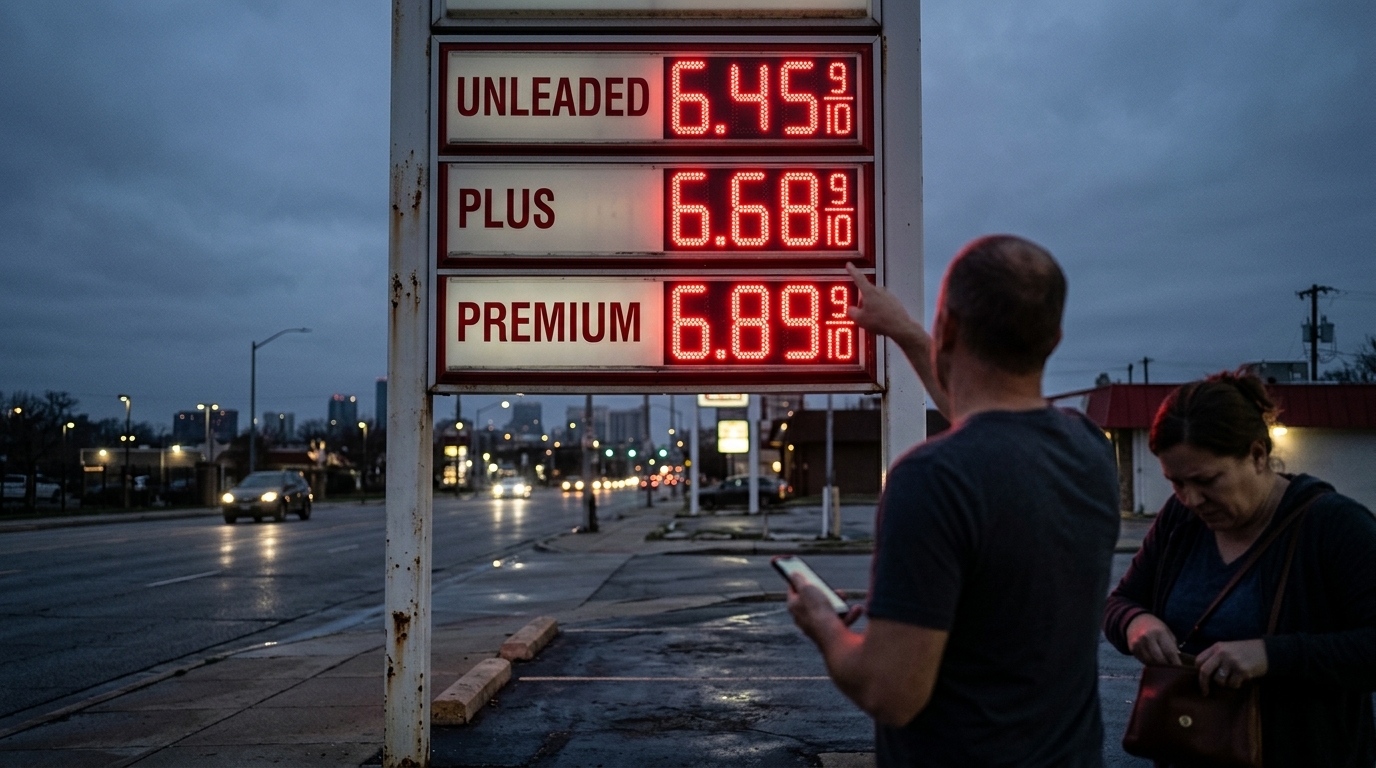
The current crisis is far from a domestic vacuum. Escalating tensions with Iran have propelled crude oil prices to heights not seen in years. Energy remains the primary driver of headline inflation, but the alarming nuance in the current data is the contagion effect. Consumers appear increasingly worried that inflation will proliferate beyond fuel pumps, embedding itself into rents, groceries, and essential services on a permanent basis. When the average citizen begins to factor inflation into their future financial decisions—demanding higher wages or pulling forward purchases to beat expected price hikes—inflation becomes structurally baked into the economic pie.
- Energy prices have surged by 22% over the last six months due to volatility in the Persian Gulf.
- Five-year inflation expectations have climbed to 4.1%, the highest level in over a decade.
- The Fed is under immense pressure to hike rates again, despite the looming threat of a hard landing.
The Political Paradox: Trump Supporters and the Loss of Faith
Perhaps the most striking revelation from recent sentiment surveys is the erosion of confidence even among Donald Trump’s most loyal constituents. While the former President (and dominant political force of 2026) has repeatedly promised immediate relief from the "cost of living catastrophe," a significant portion of his base now expresses doubt that any political figure can truly tame the inflationary beast. This "hope fatigue" suggests a deeper societal shift: voters no longer view the economic crisis as a policy problem to be solved by executive order, but as a systemic failure of the global order.
"It's no longer about partisan identity; it's about survival at the checkout counter," notes a Fortune AI analyst. "When even 'America First' advocates doubt the efficacy of tariffs and trade wars in lowering prices, the political establishment faces a crisis of legitimacy that transcends the ballot box."
The Fed’s Strategic Deadlock
Jerome Powell and the Fed board find themselves in an unenviable position. The traditional playbook of raising interest rates appears to have hit a wall of diminishing returns. With U.S. national debt spiraling, every basis point increase further strains the cost of debt servicing, narrowing the window for fiscal maneuverability. Simultaneously, the labor market remains stubbornly resilient. While typically a sign of strength, in this context, it fuels the wage-price spiral that the Fed is desperate to break. The fear within the Eccles Building is that if they do not act with overwhelming force now, they will permanently lose control of the narrative, ushering in a period of stagflation reminiscent of the 1970s but with much higher debt-to-GDP ratios.
Conclusion: A New Economic Reality
The situation detailed by Fortune AI is not merely a transient tremor. It is a signal that the social contract predicated on price stability has been breached. For the global economy, developments in the U.S. serve as a bellwether; since the dollar remains the world's reserve currency, American inflation is often an export. The challenge for the remainder of 2026 is not just technocratic, but deeply psychological. Without a restoration of faith in the long-term value of currency, markets will remain hostage to fear, and the "soft landing" once promised will remain a distant, historical mirage.