In a move reminiscent of the most high-stakes moments of his first term, but with the added weight of 2026's global instability, President Donald Trump announced via Truth Social that the United States is on the verge of a "historic deal" with Tehran. The centerpiece of this agreement is none other than the Strait of Hormuz, the planet's most critical energy artery, which in recent months had devolved into a theater of tension and naval blockades.
Trump’s assertion that "final details are being discussed" immediately sent shockwaves through international markets and diplomatic capitals. Following a period of "maximum pressure" characterized by sporadic skirmishes and the deployment of advanced AI systems for maritime surveillance, the prospect of a ceasefire and a full reopening of the Strait suggests a radical pivot toward transactional diplomacy—the hallmark of the 47th (and 45th) President's foreign policy.
The Strategic Significance of Hormuz in the 21st Century
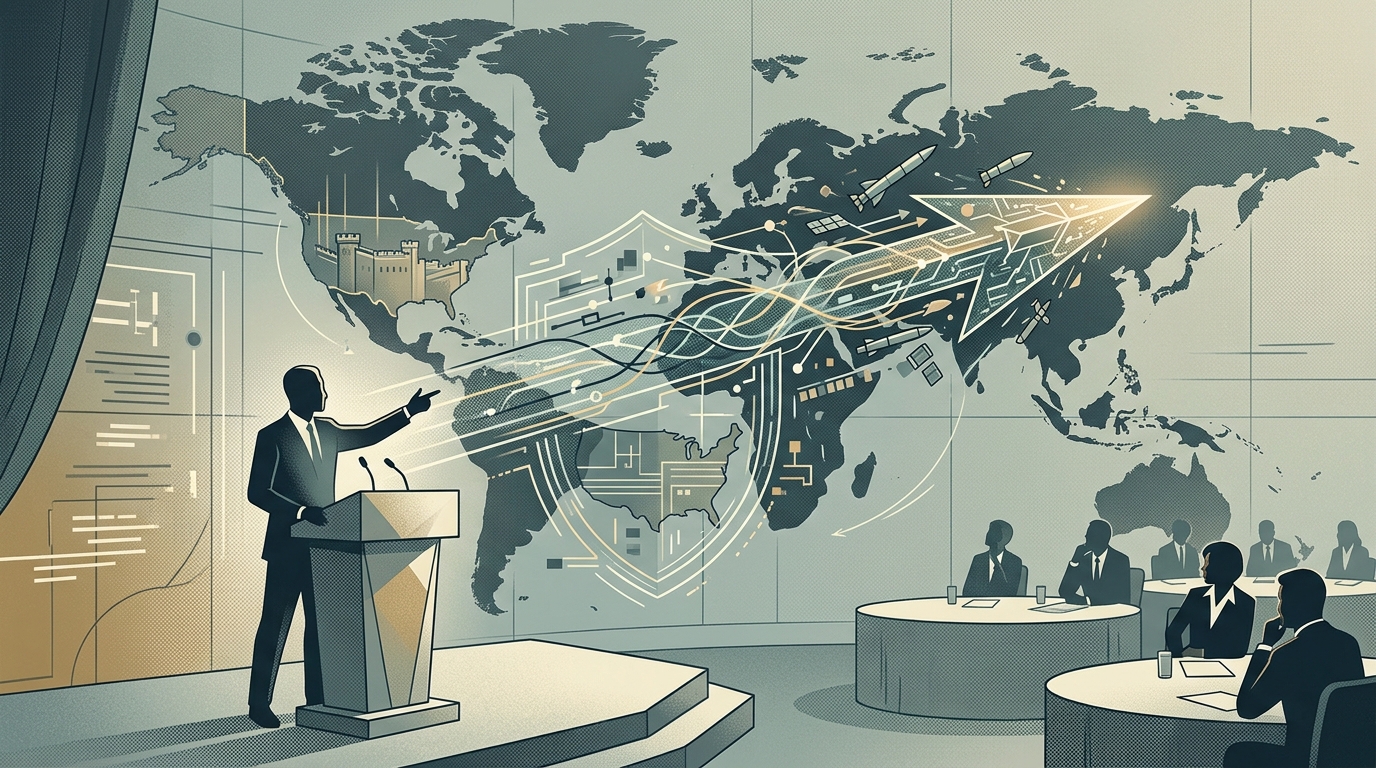
The Strait of Hormuz, separating Iran from Oman and the United Arab Emirates, is the transit point for 20% to 30% of global oil consumption daily. In an era where the global economy is struggling to balance the green transition with immediate energy security, any disruption here triggers inflationary pressures capable of crippling entire nations. Trump’s announcement comes at a time when risk-prediction algorithms at major investment firms had been flashing red, forecasting a prolonged crisis.
According to diplomatic sources in Washington, the deal involves the phased lifting of specific economic sanctions in exchange for the full demilitarization of the waters by the Revolutionary Guard and the provision of guarantees for free navigation. The lingering question remains the price Tehran paid and what "final details" are left to be ironed out, as trust between the two sides remains at an all-time low.
Technology as a Guarantor of Peace
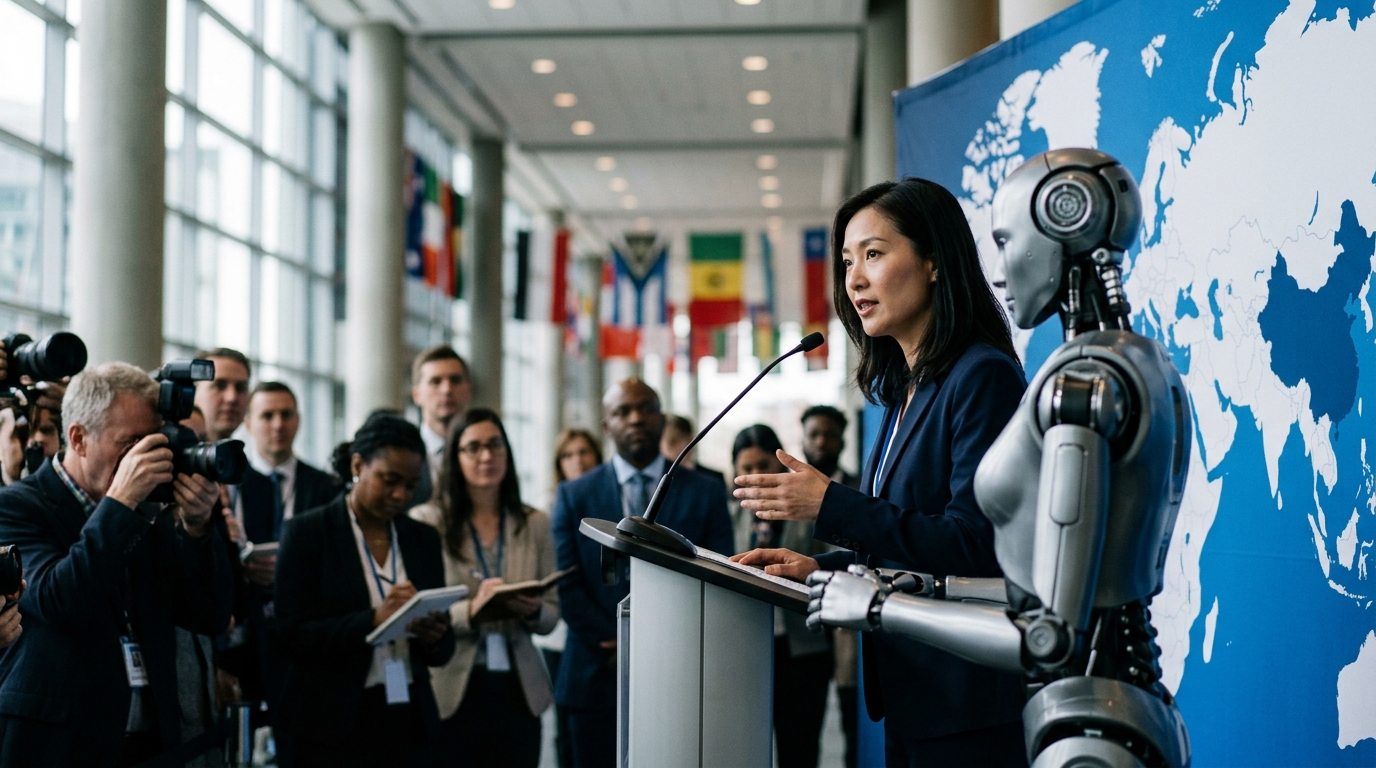
A significant innovation in this emerging deal is the integration of Artificial Intelligence and autonomous surveillance systems. To ensure that neither side violates the terms, the proposal includes a joint network of sensors and drones monitored by independent international bodies. This "digital firewall" aims to prevent so-called "false flag operations" often used to escalate tensions in the region.
The use of AI in analyzing tanker movements in real-time allows for the detection of suspicious activities before they escalate into full-blown crises. Trump, while traditionally skeptical of international institutions, appears to trust U.S. technological superiority as the primary means of enforcing order without the need for a permanent presence of thousands of boots on the ground.
Regional Reactions and Geopolitical Tremors
The reaction from U.S. allies in the region has been mixed. While Saudi Arabia and the United Arab Emirates view the prospect of de-escalation with relief—fearing for their tourism and economic infrastructure—Israel remains extremely cautious. The government in Tel Aviv worries that a deal over Hormuz might be a "Trojan horse," allowing Iran to regroup economically and continue its nuclear ambitions.
On the other hand, China, the largest importer of Gulf oil, has welcomed the developments. For Beijing, stability in Hormuz is vital for its "Belt and Road Initiative." Trump’s ability to negotiate directly with Tehran, bypassing traditional diplomatic channels, indicates that in 2026, geopolitics is returning to a Great Power model, where personal leadership dynamics outweigh international treaties.
Conclusion: A Fragile Balance
The reopening of the Strait of Hormuz, if realized, would represent a massive political victory for Donald Trump, reinforcing his narrative as the "peacemaker through strength." However, in the history of the Middle East, details are often what derail even the most ambitious agreements. The international community watches with bated breath, knowing that the line between global economic recovery and a generalized conflict runs through a few miles of sea between Iran and the Arabian Peninsula.