At a decisive moment for global geopolitical equilibrium, French President Emmanuel Macron has launched an extensive cycle of diplomatic engagements, seeking to position France as a pivotal mediator between the West and Middle Eastern powers. With a focus on energy security and the prevention of a wider regional conflagration, Macron held successive talks with U.S. President Donald Trump, as well as the leaders of the United Arab Emirates, Qatar, Saudi Arabia, and Jordan. The message emanating from the Élysée Palace is unequivocal: France is pushing for a negotiated settlement, with the "number one priority" being the full and unhindered reopening of the Strait of Hormuz.
The Strategic Imperative of the Strait of Hormuz
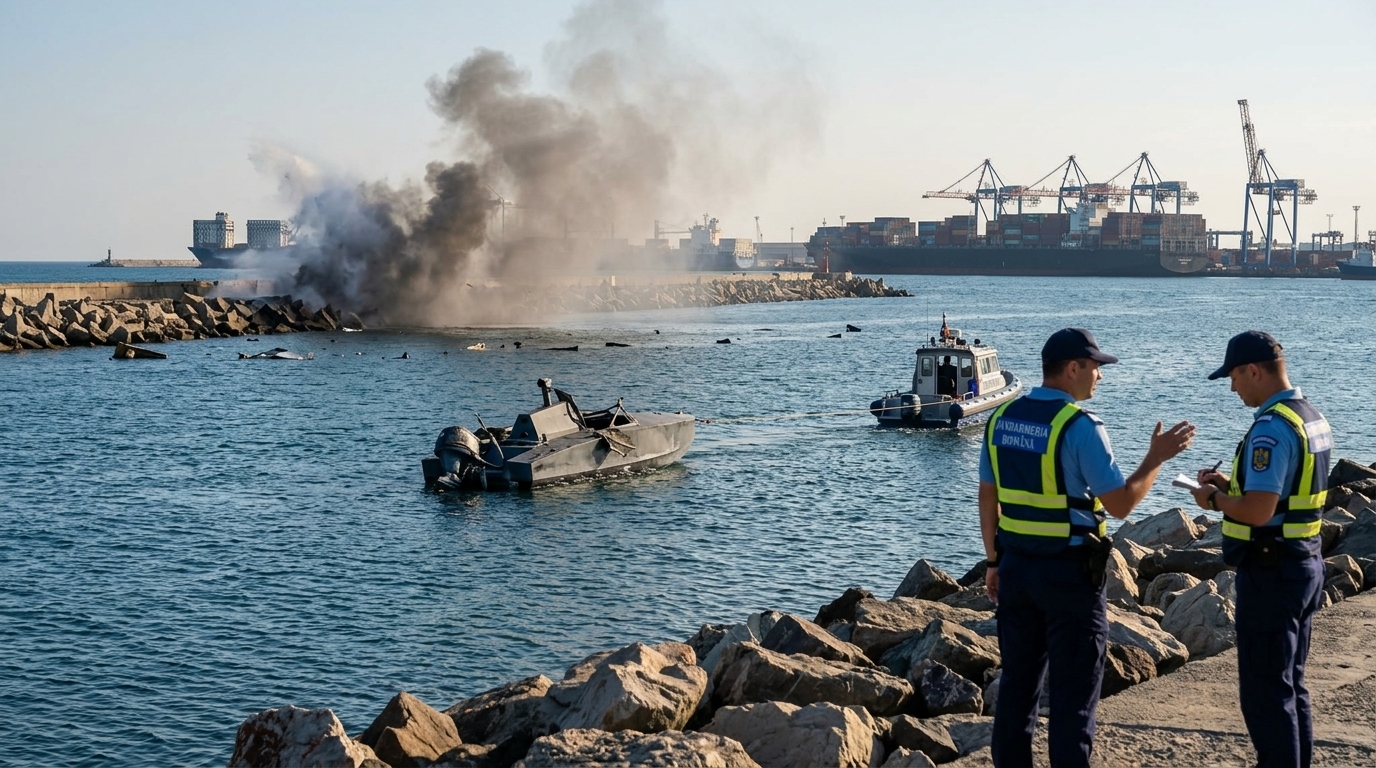
The Strait of Hormuz is not merely a geographical chokepoint; it is the jugular vein of the global economy. Approximately 20% of the world's daily oil consumption and a vast proportion of liquefied natural gas (LNG) pass through this narrow waterway. Any disruption to navigation there translates immediately into skyrocketing energy prices, severely impacting European economies that are still struggling to recover from the inflationary pressures of previous years.
For Macron, ensuring freedom of navigation in the Strait is both an economic and a political necessity. France, maintaining its traditional role as a bridge to the Arab world, is attempting to convince regional actors that a prolonged crisis would be mutually destructive. Paris’s approach is rooted in the philosophy that maritime security is a "global common good" that must not be weaponized in bilateral disputes.
The Trump Factor and the New American Stance
Macron’s communication with Donald Trump highlights the inherent difficulty of the task. Under the current administration, Washington appears to have adopted a more transactional approach to diplomacy, which often clashes with the multilateralism favored by Europe. Macron is attempting to find common ground with Trump by emphasizing that stability in energy markets serves the "America First" agenda, as economic instability in the Gulf could undermine American domestic growth.
However, significant differences persist. While France seeks a comprehensive agreement that includes security guarantees for all involved parties, the U.S. side appears to favor a strategy of "maximum pressure" on certain regional actors. Macron has warned that pressure without a diplomatic exit ramp lead inevitably to escalation—a scenario Europe is desperate to avoid, given the potential for massive refugee flows and economic shocks.
The Coalition of Moderate Arab States
Discussions with the leaders of Saudi Arabia, the UAE, Qatar, and Jordan reveal the formation of an "axis of stability" that France is keen to bolster. These nations, despite their internal rivalries, share a profound fear: the destabilization that a closed Hormuz or a total war would precipitate.
- Saudi Arabia: Focused on its "Vision 2030" diversification plan, the Kingdom requires regional calm to attract foreign investment.
- UAE: As a global logistics hub, Abu Dhabi views maritime security as an existential requirement.
- Qatar: Continues to play its role as an indispensable interlocutor, maintaining channels with all factions.
- Jordan: Primarily concerned with humanitarian spillover and maintain internal social cohesion.
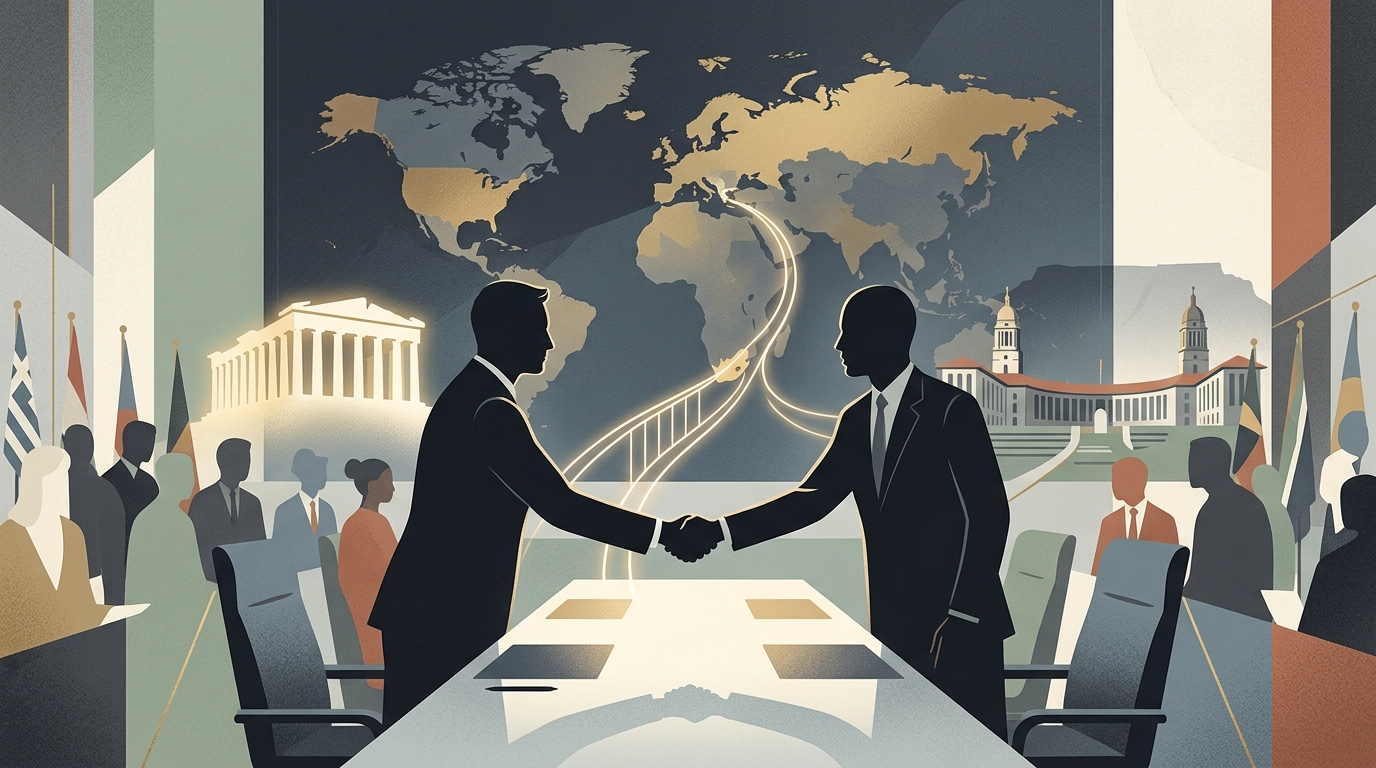
Macron appears to be proposing a new regional security framework where France acts as a guarantor of communication, independent of the fluctuations in American foreign policy. This is a practical application of "strategic autonomy" on a diplomatic level, where Europe does not merely await instructions from Washington but actively shapes its own initiatives.
Conclusion: A High-Stakes Gambit
The success of Macron’s initiative hangs by a thread. The Middle East of 2026 is a minefield of conflicting interests. The push for the reopening of the Strait of Hormuz is the necessary first step in a long process of de-escalation. If the French President can convince Trump to back a diplomatic path while keeping Arab allies at the table, he will have secured a major victory for European diplomacy. If not, the risk of a global energy crisis remains more palpable than ever.