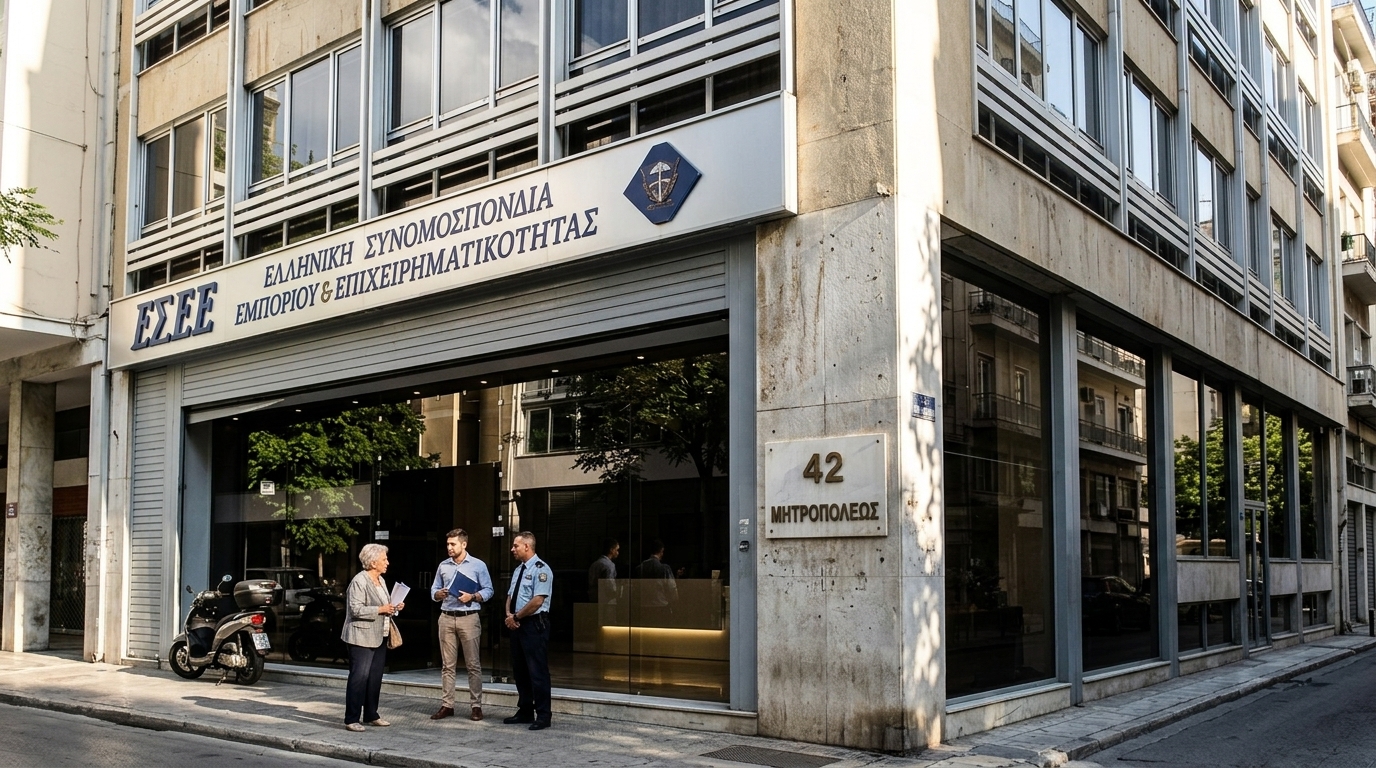
The Greek economy, as it navigates the second quarter of 2026, faces a persistent challenge that threatens to undermine the foundations of its recovery: energy inflation. According to the recent analysis by the Hellenic Confederation of Commerce and Entrepreneurship (ESEE), March 2026 marked a worrying acceleration in price hikes, with energy costs acting as the primary driver of inflation across the market spectrum. The report highlights the urgent need for intervention, emphasizing that without a de-escalation of energy prices, domestic demand will remain trapped in a spiral of high costs.
The Anatomy of Price Hikes: March 2026
ESEE's data reveals multi-layered pressure. While the general consumer price index shows signs of stabilization in some categories, energy remains the 'unpredictable factor.' Transport, housing, and catering are the three pillars bearing the brunt of the impact. Specifically, the costs of fuel and electricity have been aggressively passed on to the prices of final products and services, creating a climate of uncertainty for both merchants and consumers.
In the transport sector, rising costs do not only affect personal commuting but also significantly burden the supply chain. Every euro added to the cost of moving a product from the warehouse to the shelf is directly reflected in the final price, primarily affecting low and middle-income households. ESEE notes that small and medium-sized enterprises (SMEs), which form the backbone of the Greek economy, are no longer able to absorb further cost increases, making the pass-through to prices inevitable.
Catering and Housing in the 'Eye of the Storm'
Catering, a sector of critical importance for employment and tourism, is at a breaking point. Operating these businesses requires high energy consumption, while raw materials continue to become more expensive due to production and transport costs. The ESEE report underlines that the gap between operating costs and turnover is closing dangerously, threatening the viability of thousands of businesses. Similarly, in the housing sector, increased utility bills and heating/cooling costs are dramatically limiting disposable income for other purchases, causing stagnation in the retail market.
"Energy is no longer just a production cost; it is the regulator of social cohesion and economic stability. Unless we see a drastic reduction, inflation will remain an open wound," the Confederation's analysis states.
Proposals and Outlook for the Remainder of 2026
ESEE does not limit itself to identifying problems but proposes specific lines of action. Reducing excise taxes on fuel and strengthening energy upgrade programs for businesses are seen as 'key' moves. Furthermore, the need for a more transparent energy market and the decoupling of electricity prices from natural gas are long-standing demands that are resurfacing with renewed intensity.
- Immediate reduction of VAT on basic food items to relieve households.
- Targeted subsidies for energy-intensive SMEs.
- Institutional interventions to control profit margins in the energy sector.
- Acceleration of investments in Renewable Energy Sources (RES) with direct access for SMEs.
In conclusion, the ESEE report for March 2026 serves as a reminder that the battle against inflation is far from over. Energy remains the Achilles' heel of the Greek market. The state's ability to intervene effectively in energy costs will determine whether 2026 will be a year of growth or a year of stagnation and social pressure. The country's merchants are sounding the alarm, expecting bold decisions that will ensure the 'key' of energy unlocks growth rather than further impoverishment.