In an era where headlines are dominated by predictions of AI-driven job displacement in the financial sector, Bank of America (BofA) is making a move that appears almost counter-intuitive, yet is profoundly strategic. The hiring of 2,000 summer interns for 2026 is not merely a tradition; it is a declaration of faith in human capital as the ultimate arbiter of economic value.
Defying the Automation of the 'Junior Banker'
For decades, the roles of interns and first-year analysts on Wall Street were synonymous with grueling hours spent over Excel spreadsheets and the meticulous preparation of pitchbooks. These are exactly the tasks that Generative AI now performs in seconds. However, Bank of America’s leadership maintains that the internship experience is not about document production, but about cultivating judgment, ethics, and an innate understanding of risk.
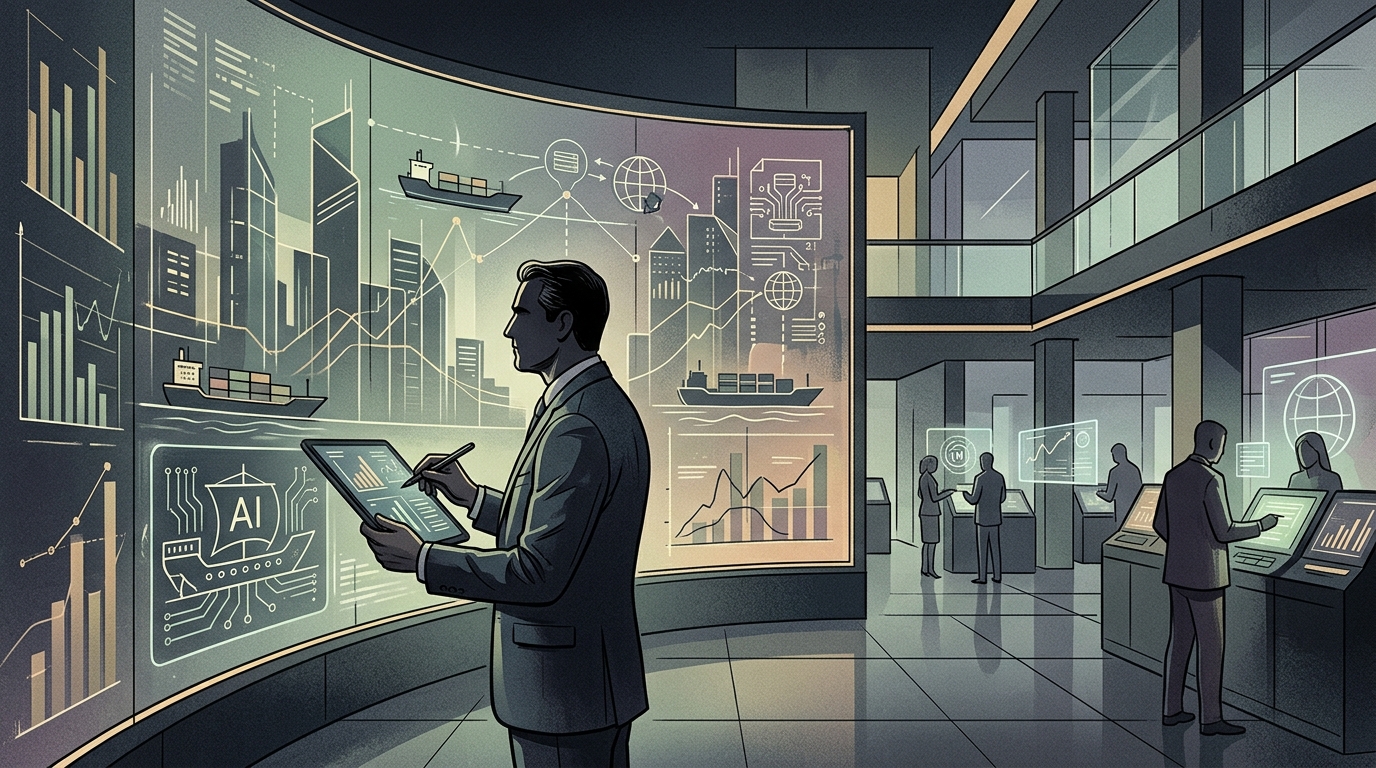
The bank recognizes that while AI can accelerate data analysis, it cannot replace the nuance of building client relationships or the intuition required for decision-making during market volatility. The 2,000 interns will be tasked with using AI tools as 'co-pilots,' allowing them to focus on higher-level strategic thinking from day one, rather than being bogged down by administrative drudgery.
The Transformation of Apprenticeship
The traditional Wall Street apprenticeship model is undergoing a radical shift. BofA is investing in training programs that teach interns how to 'prompt' AI models effectively, how to audit algorithmic hallucinations, and how to derive strategic insights from the massive volumes of information the technology generates.
- Integration of AI tools into daily workflows to enhance productivity.
- Focus on critical thinking and ethical data governance.
- Strengthening communication and negotiation skills—areas where AI still falters.
According to bank executives, the goal is to create a new generation of bankers who are 'bilingual': proficient in both the language of finance and the language of technology. This approach mitigates the fear that AI will render junior employees obsolete, instead positioning them at the heart of the digital transformation.
Economic and Social Implications
Bank of America’s decision also carries broader implications for the labor market. At a time when many tech giants are proceeding with layoffs, the stability of hiring in the banking sector serves as a vital anchor. Furthermore, maintaining a robust pipeline of interns ensures the continuity of corporate culture. AI can process data, but it cannot transmit the values, history, and unspoken norms of an institution.
"Technology is a tool, but people are our strategy. We aren't hiring 2,000 interns to do the work a machine can do; we are hiring them to be trained in what the machine will never understand: the weight of trust."
In conclusion, Bank of America is choosing a path of coexistence. Rather than shrinking its workforce in the face of automation, it is choosing to elevate the human role, betting that its future profitability will depend on the synergy between artificial intelligence and human ingenuity. The 2,000 interns represent not just a workforce, but a long-term investment in the irreplaceable nature of human perspective.