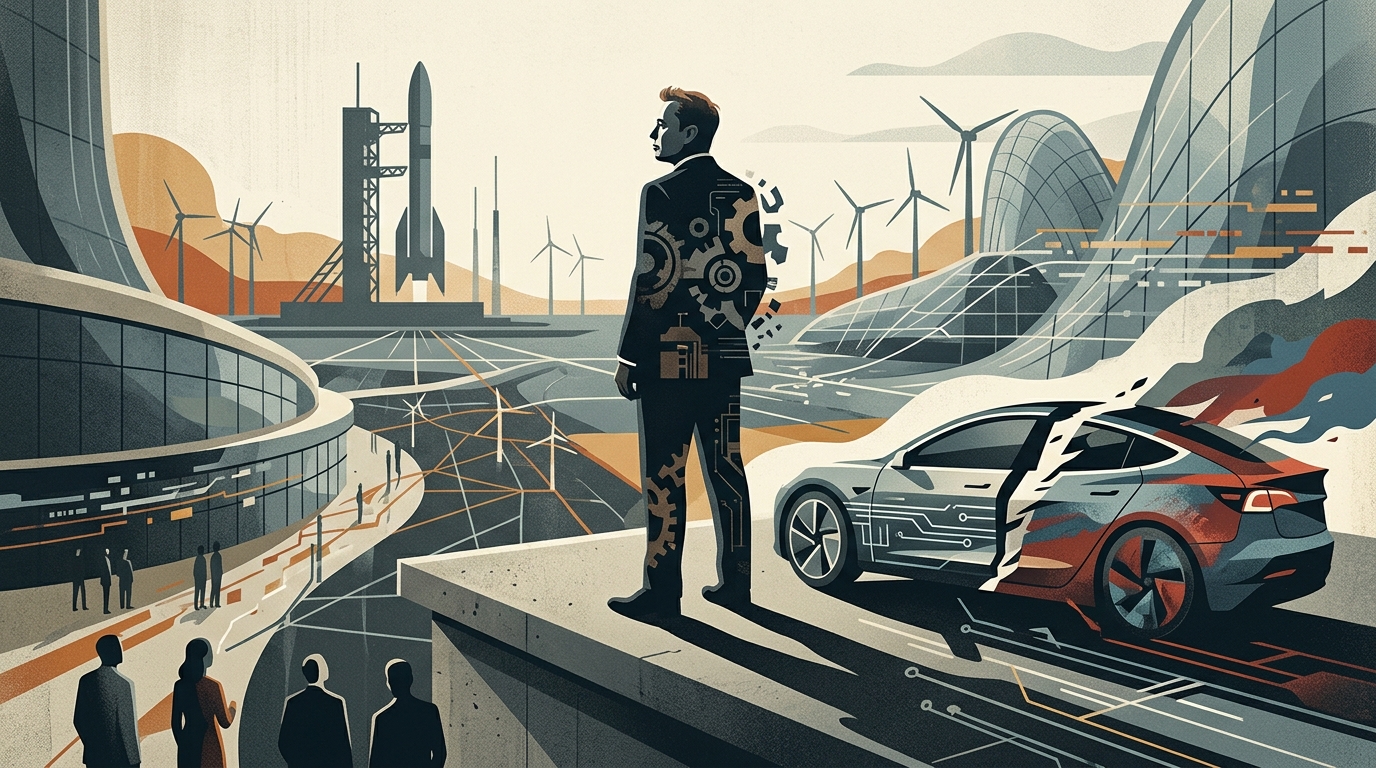
In the annals of modern entrepreneurship, few figures have managed to fuse their identity with innovation as seamlessly as Elon Musk. However, in recent months, the image of the "technological messiah" has increasingly been eclipsed by that of a polarizing political provocateur. Musk's frequent and often incendiary posts on X (formerly Twitter) regarding racial issues, immigration, and the so-called "woke mind virus" have ignited a crisis that transcends social media, striking at the very heart of his financial interests.
The Transformation of a Digital Megaphone
Since his acquisition of Twitter in 2022, Musk has turned the platform into a laboratory for his vision of absolute free speech. Yet, this freedom has frequently manifested as the amplification of conspiracy theories and comments widely perceived as racially insensitive or divisive. His recent focus on Diversity, Equity, and Inclusion (DEI) initiatives in corporate America and aviation has sparked significant backlash. Musk argues that these policies undermine meritocracy and compromise safety—a stance that has placed him in direct conflict with civil rights organizations and major institutional investors.
"Leadership requires restraint, but Musk seems to believe his position places him above the consequences of his rhetoric," market analysts observe.
The impact of these posts is far from theoretical. X has seen its advertising revenue plummet as corporate giants like Disney, Apple, and IBM pull their campaigns to avoid proximity to controversial content. Despite CEO Linda Yaccarino's efforts to stabilize the ship, the owner's unpredictable interventions frequently undermine any progress made with the advertising community.
The 'Musk Tax' on Tesla
The most pressing question concerns Tesla. For years, the electric vehicle pioneer benefited immensely from Musk's personal brand. Tesla buyers weren't just purchasing a car; they were buying into a vision of a sustainable future. Today, that calculus is shifting. Market research indicates that Musk's favorability among Tesla’s traditional customer base—who tend to be more progressive and socially conscious—is in steep decline.
- A measurable drop in consumer brand consideration for Tesla vehicles.
- Growing pressure from shareholders, such as Ross Gerber, demanding a curb on Musk's social media activity.
- The risk of alienating top-tier talent who may find the public environment created by the CEO increasingly untenable.
Tesla's stock has experienced significant volatility. While external factors like Chinese competition and high interest rates are at play, "key person risk" and "brand contagion" are now frequently cited in analyst reports. Investors worry that Musk is too distracted by his cultural crusades on X to focus on the governance of a company facing existential global challenges.
Clashing with Institutional Reality
Musk's behavior reflects a broader trend of "techno-libertarianism" in Silicon Valley, where some billionaires view traditional institutions and social norms as obstacles to progress. However, Tesla is a publicly traded company, and Musk has a fiduciary duty to act in the best interests of its shareholders. Using X as a personal political fortress creates a conflict of interest that could lead to significant legal and regulatory challenges down the line.
In conclusion, Elon Musk stands at a pivotal crossroads. His ability to disrupt entire industries remains undisputed, but his capacity to lead in a way that inspires unity and stability is being questioned like never before. The question is no longer whether Musk can send humanity to Mars, but whether he can keep his customers and investors on Earth satisfied.