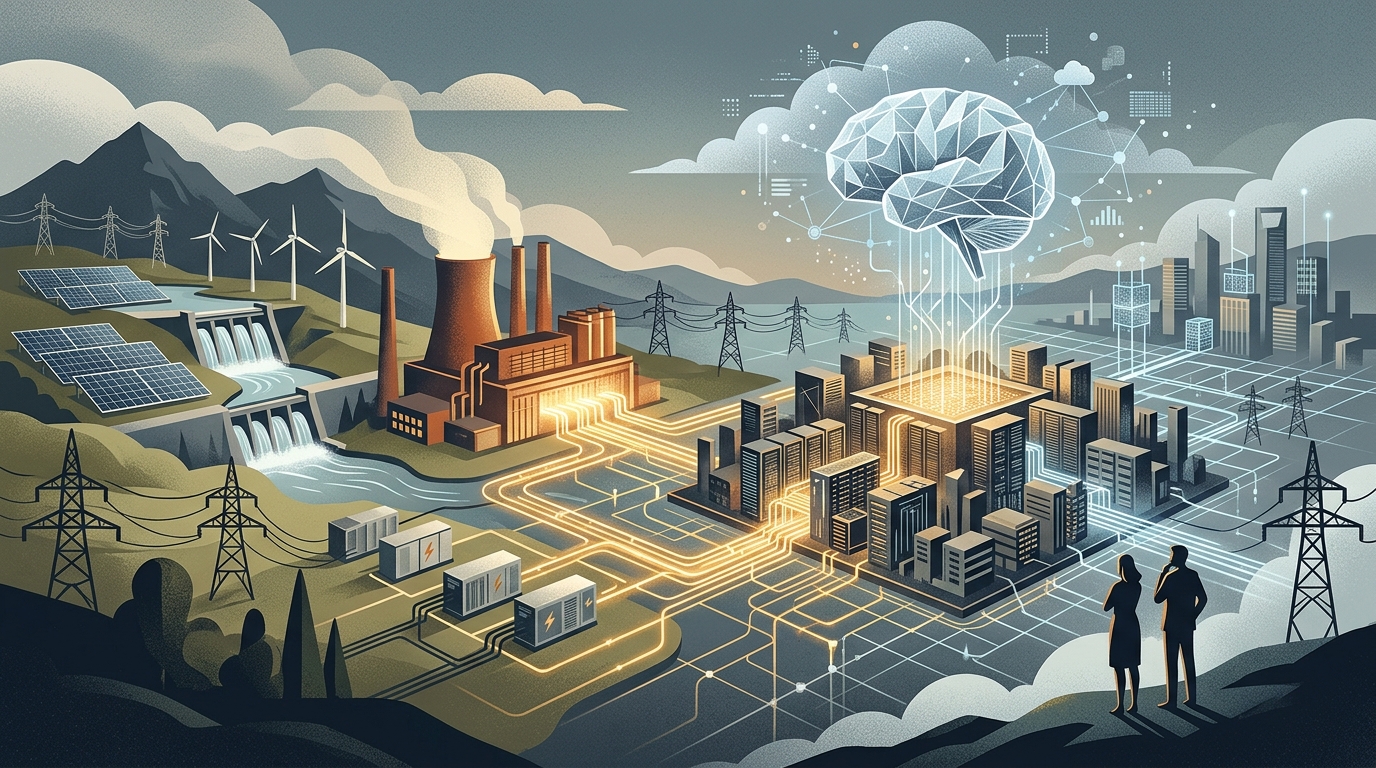
In the ever-evolving landscape of global technology, Vietnam is no longer merely a destination for low-cost industrial manufacturing. As we move through 2026, the nation is emerging as one of the most promising hubs for the adoption and growth of Artificial Intelligence personal computers (AI PCs). A recent report from Vietnam.vn highlights a critical turning point: the demand for hardware capable of locally executing complex AI algorithms is growing at rates that outpace traditional Western markets.
The Transition from Assembly to Intelligent Consumption
For decades, Vietnam was known as the "China+1" alternative for factory lines. However, the country's demographic structure—featuring a young, digitally literate, and highly adaptable population—has created a fertile market for the next generation of computing. AI laptops, equipped with specialized Neural Processing Units (NPUs), offer capabilities that touch every facet of the Vietnamese economy, from content creation to advanced software development.
Major manufacturers such as HP, Dell, Lenovo, and Apple are now investing in specialized marketing campaigns within the country. This is not just an attempt to sell more expensive hardware; it is a strategic alignment with Vietnam's National Digital Transformation Strategy 2030. The government in Hanoi is actively promoting AI education, and AI PCs are the essential tools required to realize this vision.
Technical Superiority and Local Needs
But what makes an AI laptop stand out in the Vietnamese market? Unlike traditional computers, these devices allow for the execution of Large Language Models (LLMs) and Generative AI tools without the need for a constant cloud connection. This is crucial for Vietnamese businesses that prioritize data security and responsiveness in environments with fluctuating connectivity.
- Edge Computing: The ability to process data locally reduces latency, a necessity for the thousands of developers and IT outsourcers in Vietnam.
- Energy Efficiency: New processors (such as Intel Core Ultra and AMD Ryzen AI) offer exceptional battery life, perfect for a dynamic workforce that moves between co-working spaces and the ubiquitous cafe culture.
- Democratization of Creativity: Tools like Adobe Firefly and Microsoft Copilot become accessible in real-time, allowing Vietnamese creators to compete on a global stage.
"Vietnam isn't just buying computers; it's buying productivity. AI PCs are the catalyst that will allow our workforce to jump from execution to innovation," says a local tech analyst in Ho Chi Minh City.
Challenges and the Geopolitical Context
Despite the optimism, significant hurdles remain. The cost of AI PCs remains high relative to the average income, although prices are expected to rationalize as the technology matures. Furthermore, the geopolitical chessboard plays its own role. As the US restricts exports of advanced chips to China, Vietnam is emerging as a safe harbor for technological development. This "geopolitical premium" attracts investments that strengthen the local supply chain, eventually making AI laptops more affordable for the domestic market.
In conclusion, the rise of AI laptops in Vietnam is not a fleeting trend. It is the result of the convergence of ambitious state policy, a youthful demographic, and the need for tools that can meet the demands of the 4th Industrial Revolution. 2026 will go down in history as the year Vietnam stopped being the "world's assembler" and began its journey as a "leading intelligent user."