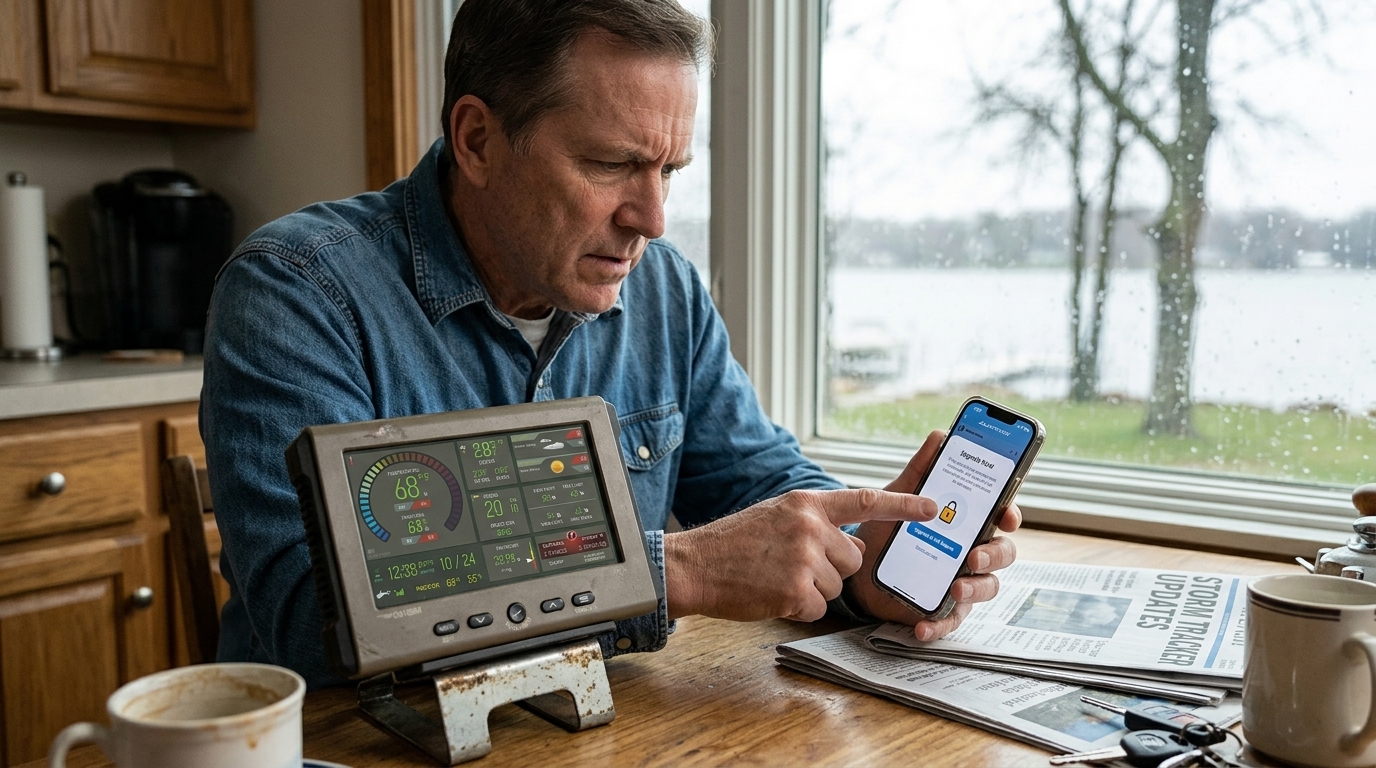
The relationship between a consumer and a smart device manufacturer has always rested on a silent promise: you buy the hardware, and the infrastructure supporting it remains functional. However, the recent move by AcuRite, one of the world's leading weather monitoring firms, has upended this balance, sparking fierce backlash within its user community. The forced migration to the new "AcuRite Now" app is not merely a software update; it represents a fundamental shift in the model of ownership.
The Mandatory Migration Trap
For years, owners of AcuRite weather stations relied on the "My AcuRite" platform to monitor data in real-time, export historical records, and connect their devices to third-party services. The company's announcement that the old app would be permanently retired in favor of "AcuRite Now" was initially met with curiosity, which quickly turned to outrage. Users discovered that the new app not only lacks core features previously taken for granted but also introduces a subscription model for access to advanced data insights.
The issue is not just aesthetic or functional. Many users report that the new app does not support older sensors, effectively bricking hardware worth hundreds of dollars. Furthermore, the ability to view data via a desktop computer—a critical feature for researchers and weather hobbyists—appears to have been downgraded or now requires an additional fee. This tactic, known in the tech industry as "enshittification," describes the gradual degradation of a service to maximize profit at the expense of the user experience.
Hardware as a Service and the Death of Ownership
AcuRite's move is part of a broader and troubling trend in the Internet of Things (IoT) sector. Companies are pivoting from selling products to selling services (Hardware as a Service). In this model, the consumer may own the physical device, but they lack control over the software that makes it functional. If the company decides to change the terms of use, impose a subscription, or shut down its servers, the device turns into an expensive paperweight.
- Subscription Culture: Imposing a monthly fee to access data generated by the user's own device is viewed by many as a form of rent-seeking behavior.
- Data Retention: The loss of historical data during migration is one of the most frequent complaints, as many users maintained records spanning several years.
- Environmental Impact: Rendering functional equipment obsolete through software contributes significantly to the growing global e-waste problem.
The criticism leveled at AcuRite centers on the fact that users purchased these products with the expectation of free, lifetime access to their basic data. Changing the rules "mid-game" undermines consumer trust not just in the specific brand, but in the entire ecosystem of smart devices.
Community Backlash and Open-Source Alternatives
Already, in tech forums and social media, users are organizing. Some are seeking ways to bypass AcuRite's closed system by using open-source software like WeeWX or Home Assistant to pull data directly from the sensors, circumventing the company's official cloud. This shift toward self-hosted solutions indicates a growing desire for digital autonomy among power users.
"We didn't buy a subscription; we bought a thermometer. The fact that we now have to pay to see the temperature in our own backyard is absurd," noted one frustrated user on Reddit.
On a legal level, the question arises whether such practices violate consumer protection laws in the European Union and the United States. The concept of the "Right to Repair" is now expanding to include software, with activists arguing that companies should not have the right to strip features from products that have already been sold and paid for.
Conclusion: The Future of Smart Living
The AcuRite case serves as a cautionary tale for the future. As more of our home devices become internet-connected, our dependence on corporate central infrastructures grows. The solution may lie in supporting open standards and legislating digital ownership rights. Until then, consumers must be extremely cautious and ask: "If the company disappears tomorrow or changes its mind, will my device still work?" If the answer is no, then they might not truly own it after all.