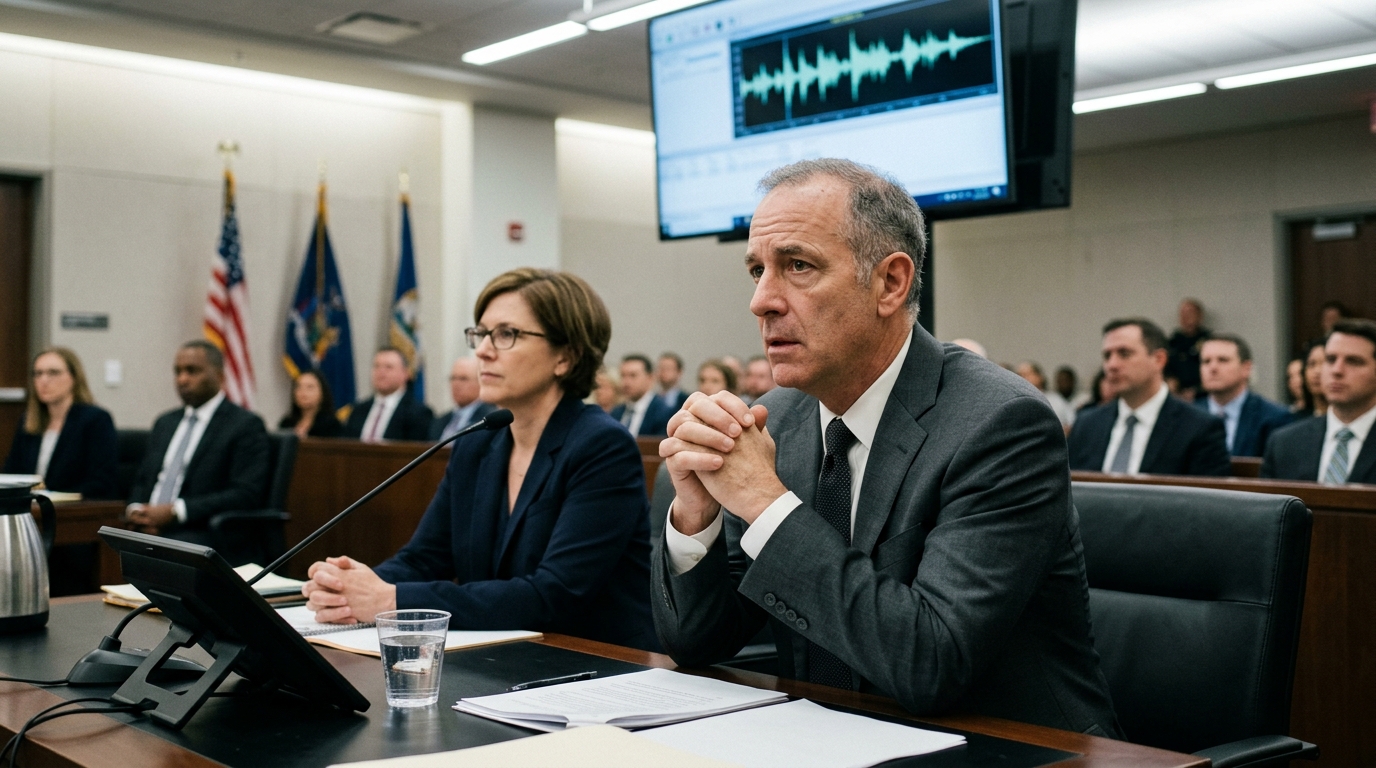
The digital age has brought humanity to an unprecedented identity crisis, where our most personal trait—our voice—is being transformed into mere raw material for Silicon Valley’s algorithms. A new, explosive lawsuit recently filed, spearheaded by prominent journalists and professional voice actors, accuses tech giants of systematic voice data 'theft' to train sophisticated Artificial Intelligence (AI) models. The case, which originated from reports by Capitol News Illinois, is not just a legal dispute over copyrights; it is an existential battle for the ownership of human essence in the 21st century.
The Anatomy of a Digital Seizure
According to the complaint, technology companies utilized vast databases containing audio archives from decades of radio broadcasts, podcasts, and television reports. These files, which represent the professional legacy and 'trademark' of journalists, were used without consent to 'teach' machines how to mimic human timbre, intonation, and emotion. The result is the creation of synthetic voices that are virtually indistinguishable from the originals, allowing companies to produce content that sounds like it comes from seasoned professionals without paying a single cent in royalties.
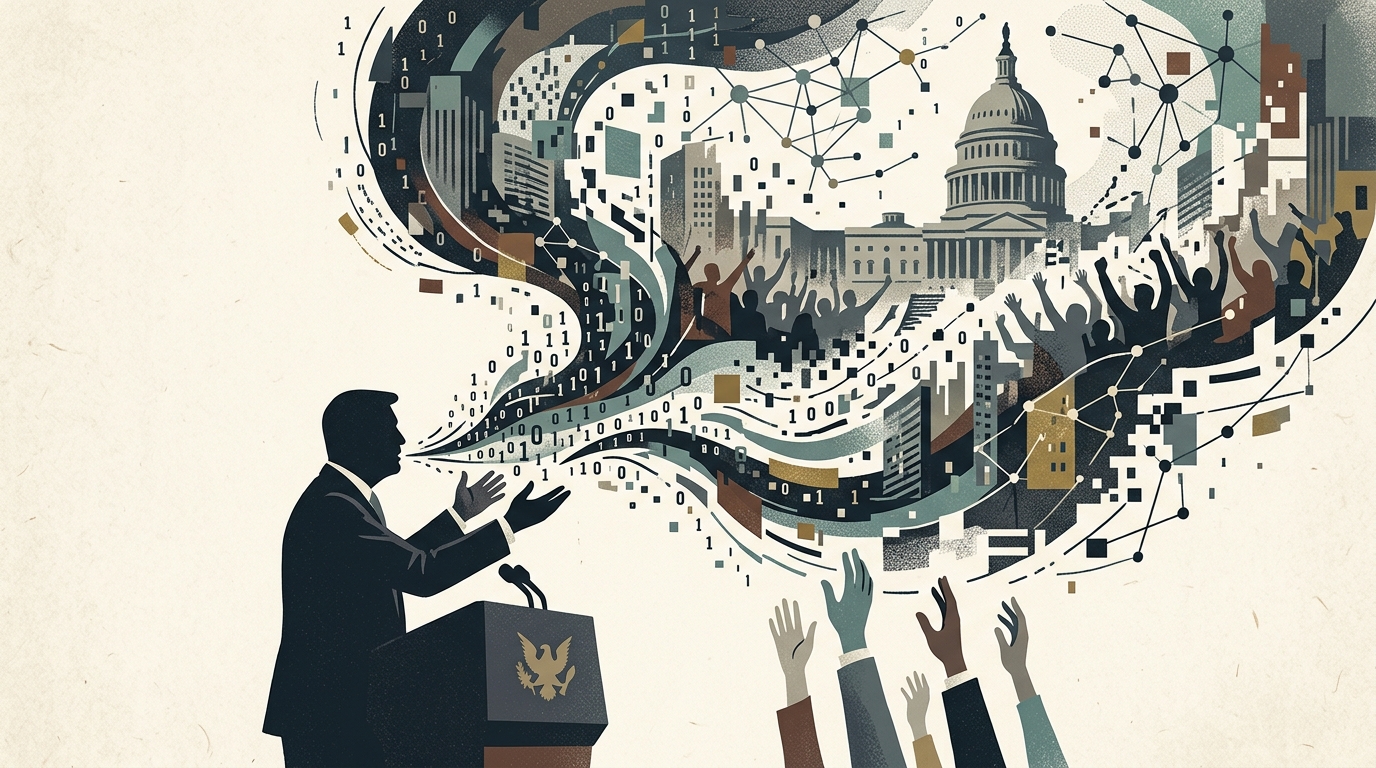
The plaintiffs argue that this practice violates the 'right of publicity,' a legal doctrine that protects individuals from the commercial exploitation of their likeness, voice, and personality. In the case of journalists, the voice is not just a tool of the trade but the vessel of their credibility. When an AI can replicate the voice of a respected analyst to read fake news or promotional messages, the damage is not only financial but moral, striking at the very heart of democratic information flow.
Legal Loopholes and the 'Fair Use' Defense
For their part, tech giants are expected to retreat behind the doctrine of 'Fair Use.' Their argument is consistent: training AI models is a 'transformative' process that creates something entirely new and does not replace the original work. However, legal experts point out that this line of defense is beginning to crumble. Unlike text, a voice is inextricably linked to the biological and legal entity of the individual. It is not static information but a continuous expression of personality.
- The unauthorized use of voices creates unfair competition in the voice-over labor market.
- There is a serious risk of creating deepfakes that can destabilize political processes.
- The lack of transparency in training data sources makes it impossible for creators to exercise control.
This case strongly echoes the recent controversy involving Scarlett Johansson and OpenAI, where the actress accused the company of using a voice that sounded 'eerily similar' to her own for the Sky model, despite her refusal to grant rights. The difference here is that the journalists from Capitol News Illinois and other outlets possess evidence that their actual authentic recordings were directly scraped and ingested into the training pipeline.
Toward a New Social Contract for AI
The outcome of this trial will define the future of the creative industry. If the court rules in favor of the journalists, AI companies will be forced to seek legitimate licensing agreements for every piece of data they use. This could lead to a new revenue stream for traditional media outlets, which are struggling to survive in the digital era. Conversely, a ruling in favor of tech companies would mean that human identity is now 'public domain,' ripe for exploitation by anyone with the computing power to process it.
"Our voice is our soul on the airwaves. If they take it from us, they aren't just stealing our jobs; they are stealing our ability to be trusted by the public," stated one of the plaintiff journalists.
At the European level, the AI Act offers some safeguards by requiring transparency in training data. However, the American judiciary will set the tone, as most market players are based there. The need for a global ethical framework for AI is now imperative, as technology moves at speeds that legislation fails to match. The stakes are not just about protecting journalists' salaries, but about preserving truth in a world where anything we hear could be a digital mirage.