May 15, 2026, marks a pivotal moment in the history of intellectual property as the "great peace" between Artificial Intelligence and creators begins to fracture. Anthropic, the firm behind the Claude AI models, has found itself at the center of a legal firestorm as a federal judge decided to delay approval of a proposed $1.5 billion settlement. The case, involving the unauthorized use of thousands of copyrighted books to train AI models, has devolved into a battlefield where authors are no longer just fighting technology, but also their own legal representation.
The $320 Million Dispute: Lawyers vs. Creators
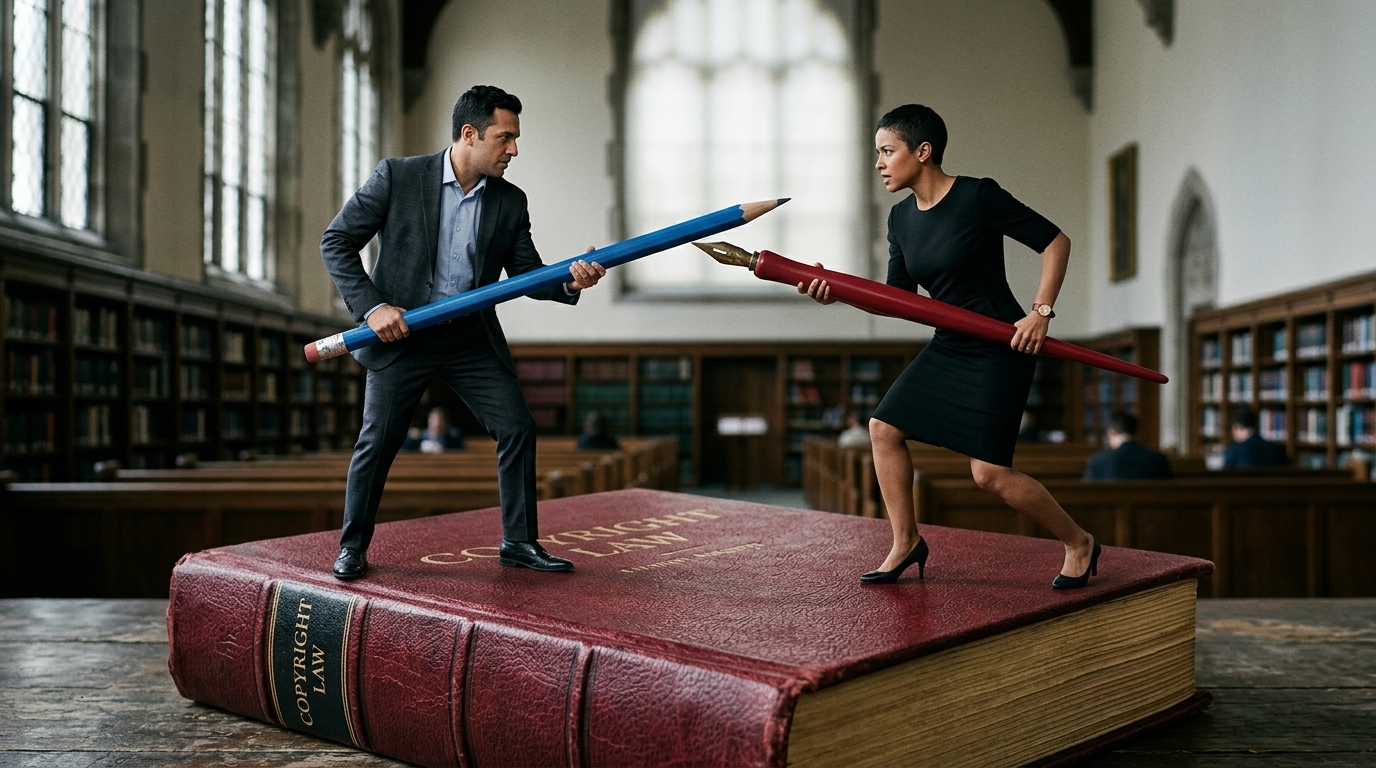
The primary point of friction leading to the delay isn't Anthropic's culpability—the company has essentially accepted the need for compensation—but rather who gets the lion's share of the spoils. Lawyers representing the class of authors have requested an astronomical $320 million in fees, sparking outrage among many members of the plaintiff class. Critics argue that the legal team rushed to settle with Anthropic to "lock in" their fees before the discovery process could reveal the full extent of the data exploitation.
According to court filings, several high-profile authors filed objections, claiming the settlement is "inadequate and hurried." They point out that after legal fees and administrative costs are deducted, the amount reaching individual creators is pittance compared to the value their works provided in training Claude 4 and subsequent models. "We are being asked to accept crumbs while the lawyers buy mansions with our intellectual labor," one plaintiff remarked outside the courthouse.
Legal Precedent and Anthropic’s Strategy
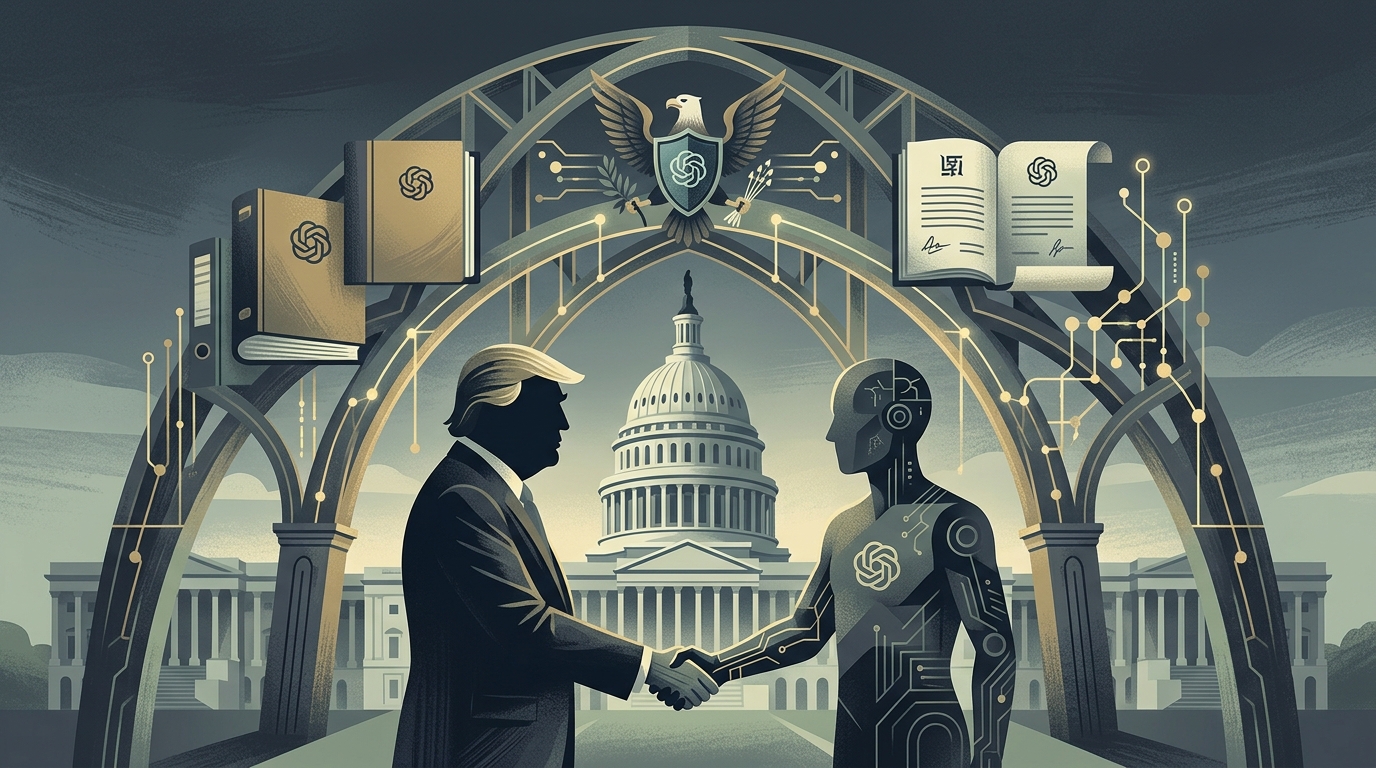
For Anthropic, the $1.5 billion settlement was initially viewed as a strategic move to clear the air and provide certainty for its investors. Unlike OpenAI or Meta, Anthropic has consistently tried to project an image of "ethical AI," and this settlement was meant to be the proof that the company respects creators. However, the delay in approval creates new clouds of uncertainty. If the judge deems the settlement unfair, the case could head to trial, potentially exposing internal company documents regarding exactly how training data was harvested and processed.
- Anthropic maintains that its data usage falls under "Fair Use," but accepted the settlement to avoid years of debilitating litigation.
- The judge expressed concerns regarding the transparency of the notice process for authors included in the class action.
- The decision is expected to set a benchmark for ongoing lawsuits against Google, Meta, and Midjourney.
The court's stance suggests a shift in the judicial climate. While in 2024 and 2025 courts seemed hesitant to stifle AI development, 2026 is shaping up to be the year of accountability. Justice now requires proof that financial settlements are not merely a way for Big Tech to "buy their way out" of illegal practices with the help of compliant legal teams.
Economic Implications and the Future of Creativity
If the settlement is ultimately rejected or significantly modified, the implications for the AI market will be massive. Investors have already begun pricing the "copyright tax" into AI company valuations. If $1.5 billion is considered insufficient, the total cost for the industry could reach tens of billions of dollars. This might lead to a closed training model, where only companies with massive capital can afford to build new models, effectively stifling competition from smaller startups.
"This is not just about the money. It is about the recognition that human creativity is not free fuel for Silicon Valley’s machines," the Authors Guild stated in its latest briefing.
The delay gives creators time to better organize. We are already seeing a trend toward the formation of new collective bodies demanding direct licensing agreements rather than ex-post-facto legal settlements. The message is clear: the era of unregulated data harvesting is over, and the price of admission will be much higher than the tech giants had hoped.