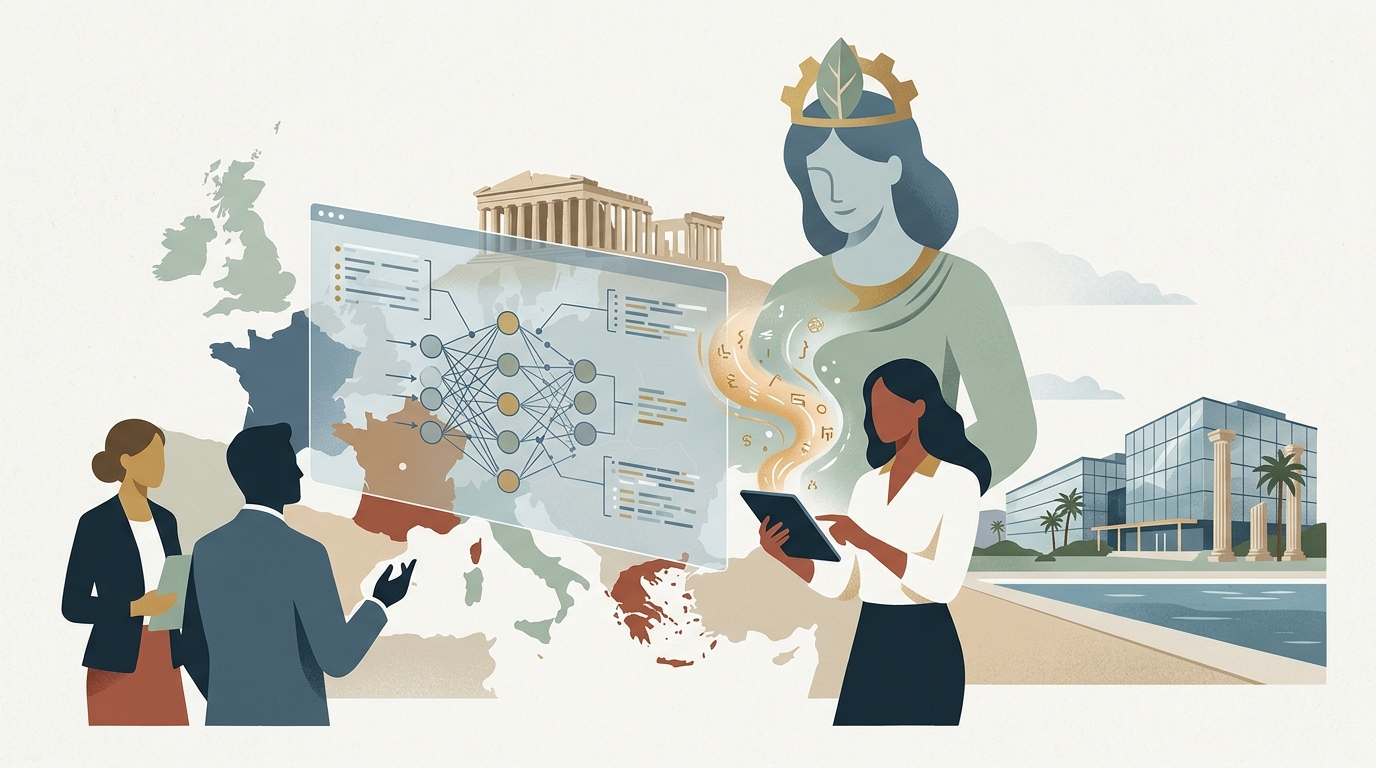
In the global chess game of artificial intelligence, where the United States and China have traditionally held the positions of the most powerful players, a French startup named Mistral AI has managed to disrupt the balance in a remarkably short time. The recent news that the company is now valued at between $5.1 and $6 billion is not just a figure on a balance sheet; it is confirmation that Europe is claiming, albeit belatedly, a seat at the table of "superintelligence."
Based in Paris, Mistral AI was founded just a year ago by former executives from Google's DeepMind and Meta. Its rise has been meteoric, attracting investments from giants like Microsoft, Nvidia, and Salesforce. But what makes Mistral stand out in a market saturated with promises of "smart" chatbots and generative AI?
The Open Source Strategy and Efficiency
Unlike OpenAI, which despite its name follows a "closed" model, Mistral AI began with a radical approach: promoting open-source models. Their philosophy is rooted in the belief that artificial intelligence should not be controlled by a few gatekeepers in Silicon Valley but should be accessible to developers and businesses worldwide.
Their model, Mistral 7B, and the subsequent Mixtral 8x7B, proved that "superintelligence" does not necessarily require massive, unwieldy systems. By using the "Mixture of Experts" (MoE) technique, Mistral succeeded in creating models that are extremely efficient, consume less computing power, and offer performance that rivals OpenAI's GPT-4 in specific benchmarks. This emphasis on computational economy is critical for European businesses seeking to integrate AI without being dependent on the astronomical infrastructure costs of Microsoft or Google.
Politics and Digital Sovereignty in the EU
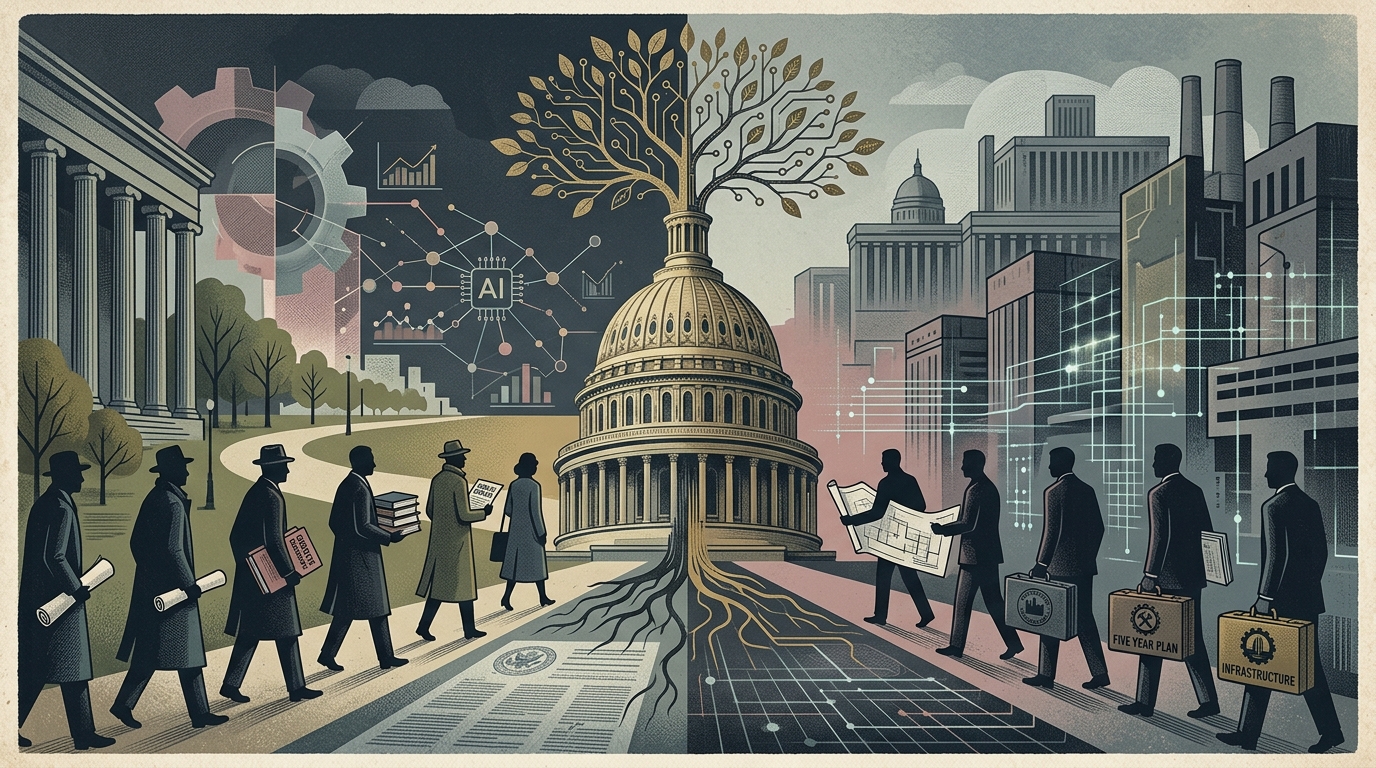
The rise of Mistral AI is not only technological but also deeply political. France, under the leadership of Emmanuel Macron, has invested significant political capital in establishing Paris as Europe's "AI hub." For the European Union, the existence of a homegrown champion in artificial intelligence is a matter of national and economic security.
- Autonomy: Reducing dependence on American models ensures that European data and values remain within borders.
- Regulatory Framework: Mistral has been a key player in consultations for the EU AI Act, pushing for regulations that do not stifle the innovation of startups compared to established giants.
- Economic Growth: Creating an ecosystem around Mistral attracts talent that might otherwise migrate to the US.
However, Mistral's close partnership with Microsoft—which includes making its models available through the Azure platform—has raised eyebrows in Brussels. Many wonder if the "European champion" risks becoming just another satellite of American Big Tech.
The Challenge of Scale and the Future
Despite the impressive $5.1 billion valuation, the road ahead for Mistral AI remains steep. Training next-generation models requires billions in capital and access to hundreds of thousands of Nvidia GPU chips. While OpenAI and Google possess nearly unlimited resources, Mistral must remain agile and innovative.
"We don't just want to build a chatbot. We want to build the infrastructure on which the European economy of the future will run," Arthur Mensch, the company's CEO, is reported to have said.
The question that remains is whether Mistral can maintain its open-source identity as it grows. Its latest models, such as Mistral Large, are now closed-source and available only through commercial agreements. This shift suggests that the pressure for profitability and the need to protect intellectual property may eventually lead Mistral down the same paths taken by its predecessors in Silicon Valley. In any case, Mistral AI represents Europe's best hope of not remaining a mere spectator in the 21st-century digital revolution.