As we navigate through the first half of 2026, the scientific community is confronting a once-in-a-century transformation. Artificial Intelligence (AI) is no longer a mere "support tool" in the laboratory; it has become the central axis around which global research revolves. A recent analysis by Eurasia Review highlights three critical shifts redefining the scientific landscape, from fundamental epistemology to the geopolitics of innovation.
The Transition from Hypothesis to Data-Driven Discovery
Historically, the scientific method relied on the formulation of a hypothesis by a human researcher, which was then tested through experimentation. Today, we are witnessing the first major shift: the emergence of research driven exclusively by data. AI models possess the capability to sift through vast volumes of literature and experimental data, identifying correlations that the human mind cannot grasp due to their inherent complexity.
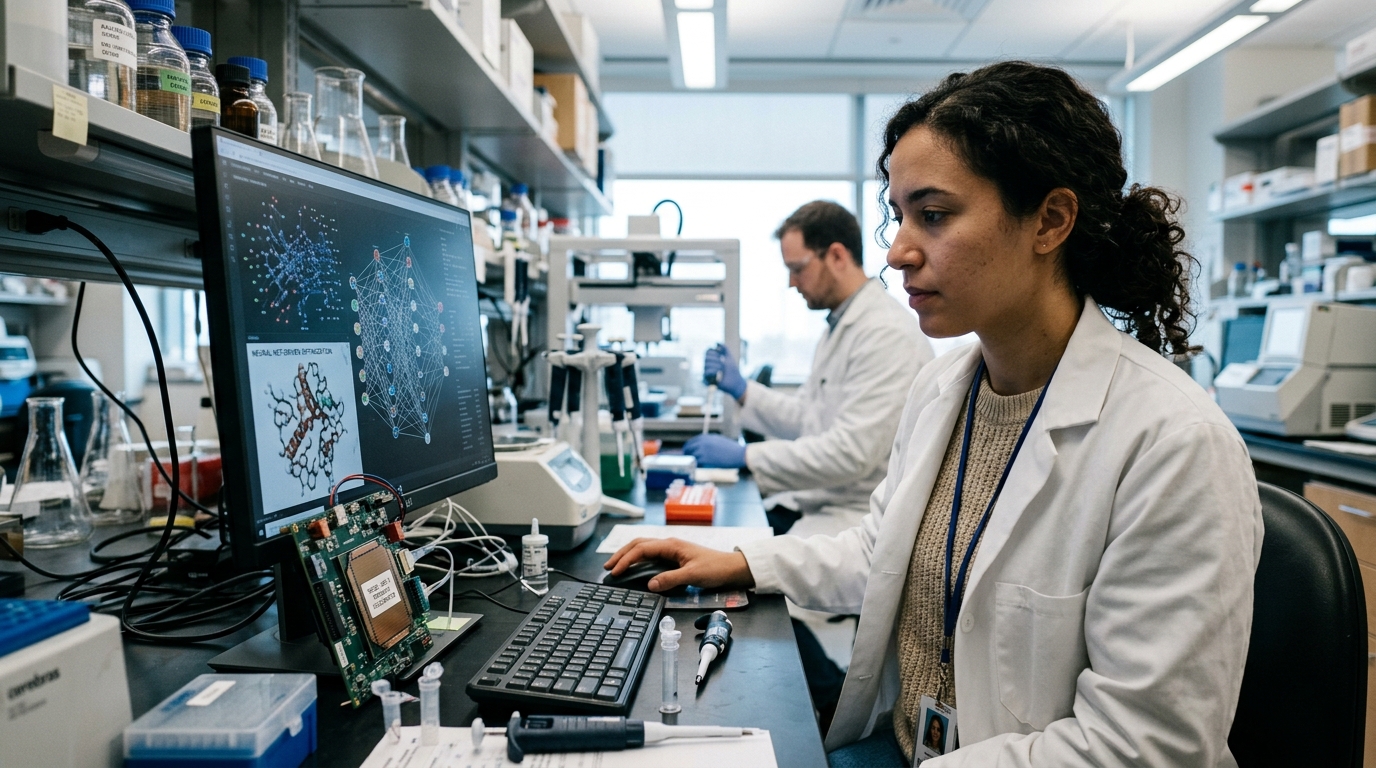
This paradigm shift means that the starting point of discovery is no longer "why," but "what." For instance, in pharmaceutical research, AI can propose thousands of potential molecular compounds to treat a disease before a researcher even fully understands the underlying biological mechanism. Theory follows observation, overturning the classic Cartesian approach that has dominated science for centuries.
- Automated knowledge synthesis from millions of scientific papers.
- Identification of non-obvious patterns in multi-dimensional datasets.
- Reduction of time from theoretical conception to experimental verification.
Collaborative Intelligence and the End of the "Lone Genius"
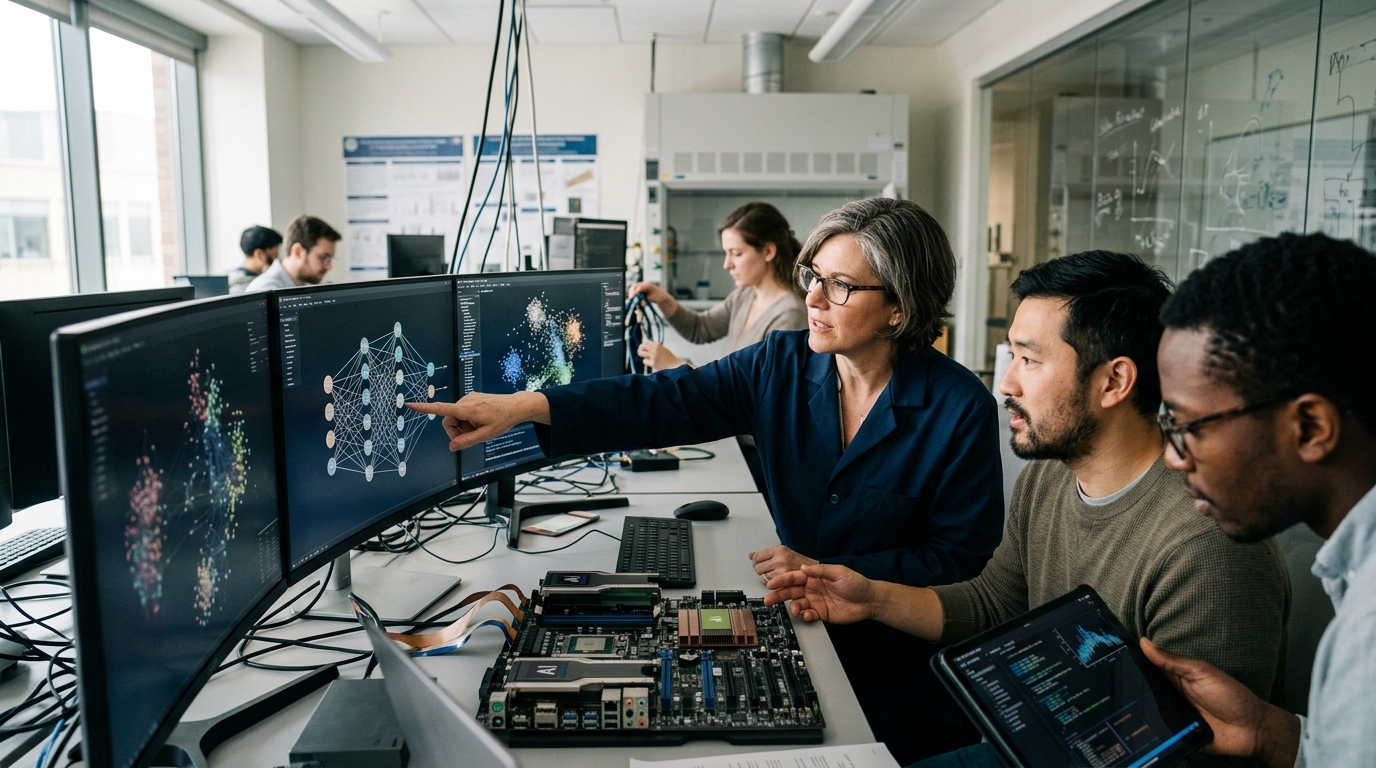
The second shift concerns the structure of the research team. The model of the "lone genius" scientist working in isolation is being replaced by "Symbiotic Intelligence." Research is now conducted by hybrid teams of humans and AI agents, where the machine handles creative proposals and the human provides ethical and strategic oversight.
"We are no longer in an era where humans use computers. We are in an era where humans and AI co-create the future of science," the analysis notes.
This collaboration allows for the scaling of research to levels that were unthinkable just two years ago. "Self-driving labs" can execute thousands of experiments a day, 24/7, adjusting their parameters in real-time based on the results they receive. The researcher's role is shifting from execution to orchestration.
The Geopolitics of Knowledge and the Digital Divide
The third and perhaps most concerning shift is the redistribution of global research power. Access to advanced AI models and, crucially, the necessary computing power (compute), is becoming the new determining factor of national sovereignty. Countries and institutions possessing the infrastructure to run these models gain a disproportionate advantage in knowledge production.
There is a risk that scientific research will be concentrated in the hands of a few tech giants and powerful states, creating a new form of "scientific colonization." While AI has the potential to democratize knowledge by providing tools to researchers worldwide, the reality of computational costs may lead to the exact opposite: a widening gap between the Global North and the Global South.
Conclusions and the Ethical Challenge
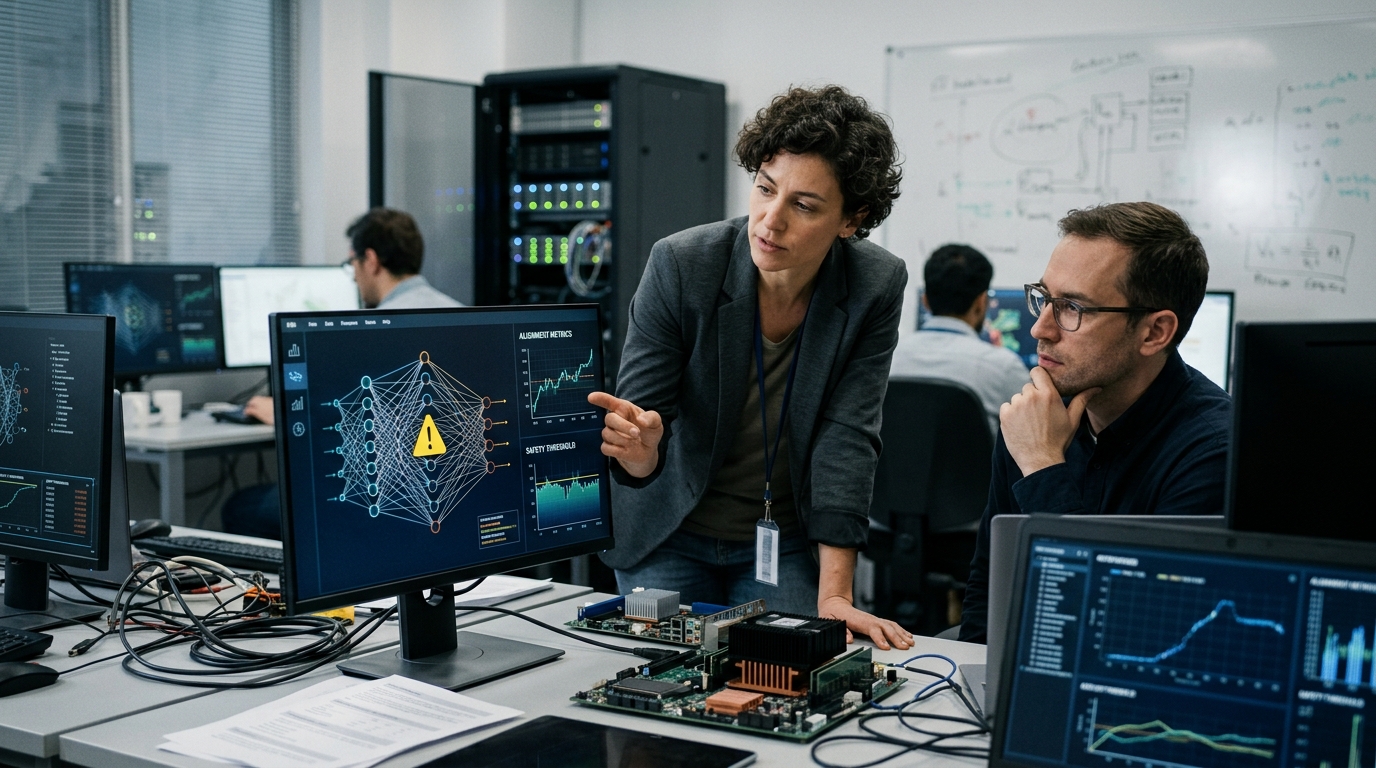
Moving forward, the greatest challenge will not be technical, but epistemological and ethical. How can we trust a discovery that originated from an AI "black box" if we cannot fully understand its logic? The need for "Explainable AI" in research is imperative so that science remains a field of human understanding rather than just a series of efficient but opaque results.
The transition to these new paradigms requires a radical overhaul of scientific education. The scientist of the future must be as proficient in biology or physics as they are in data science and the ethics of technology. Only then can we ensure that these three shifts lead to a true renaissance of human knowledge.