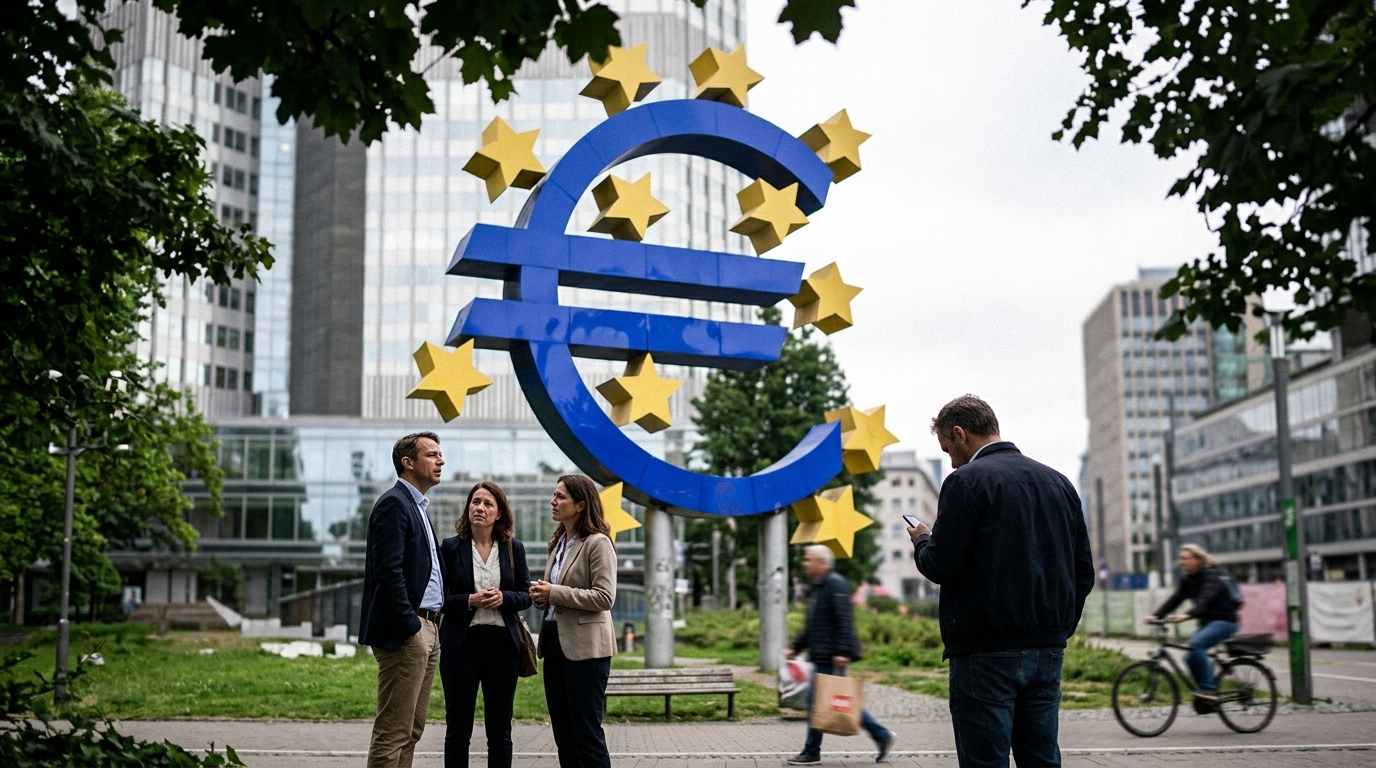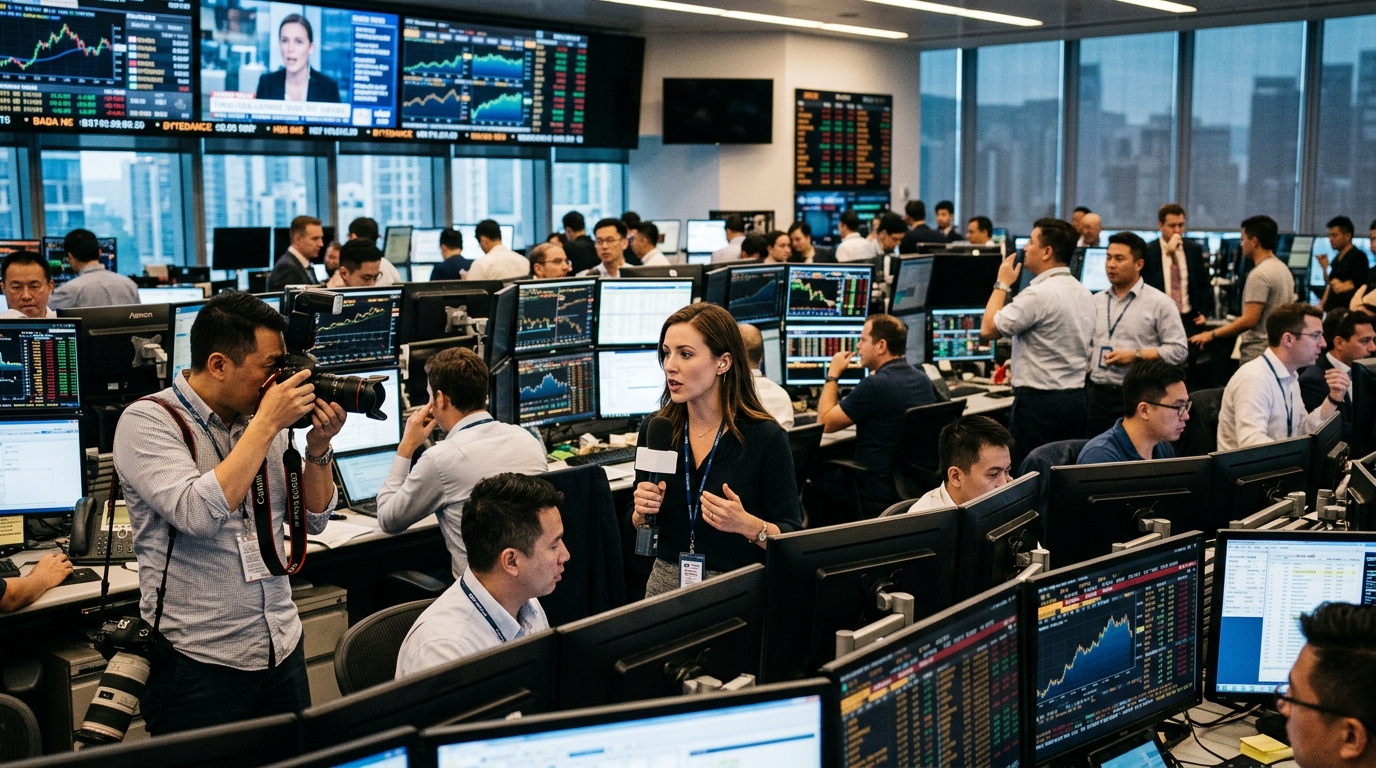
In the ever-shifting landscape of global technological dominance, China is no longer a monolithic entity but a theater of intense strategic divergence. As we move into mid-2026, the contrast between Alibaba and ByteDance highlights two diametrically opposed philosophies regarding the future of Artificial Intelligence (AI). On one hand, Alibaba, the traditional giant of e-commerce and cloud computing, is engaged in an unprecedented "stockpiling of resources." On the other, ByteDance, the parent company of TikTok, chooses to "hone its skills," focusing on algorithmic efficiency and immediate application within the user experience.
Alibaba’s Strategy: The Infrastructure Fortress
Alibaba appears to be adopting the doctrine of "strength through material resources." In a period where US semiconductor export restrictions have become stifling, the Hangzhou-based company has invested billions in creating a hardware stockpile that will allow it to survive a long-term technological blockade. Its strategy is not just about survival, but about dominating Cloud Computing in Asia. With its 'Tongyi Qianwen' model, Alibaba aims to become the foundational infrastructure upon which thousands of other businesses will be built.
Alibaba's "resource stockpiling" is not limited to GPU processors. It includes poaching top-tier academic talent and establishing massive data centers powered by renewable energy. For Alibaba, AI is a game of scale. The larger the infrastructure, the cheaper and more accessible computing power becomes for its clients. This model strongly echoes Amazon Web Services (AWS), but with a Chinese twist: the absolute necessity for autonomy from the Western supply chain.
ByteDance: The Art of Algorithmic Precision
In contrast, ByteDance does not seem interested in owning the "heavy metal" of hardware to the same extent. Its power stems from its ability to transform data into addictive experiences. ByteDance’s "honing of skills" refers to the perfection of Generative AI models that can produce video, music, and text with minimal computational cost. While Alibaba builds the factory, ByteDance designs the most desirable product.
The success of Doubao, ByteDance's AI assistant in China—which has surpassed even established models from Baidu in user numbers—proves that speed and user experience (UX) often trump raw processing power. ByteDance uses AI to democratize content creation, allowing millions of users to become directors and creators with the help of AI tools. This approach is less capital-intensive compared to cloud infrastructure but requires constant intellectual agility and adaptability.
The Geopolitical Factor and Economic Conflict
The distinction between these two strategies also reflects China's broader economic reality. The government in Beijing is pushing for "new quality productive forces," encouraging companies to decouple from foreign technologies. Alibaba serves the goal of national infrastructure, while ByteDance serves the goal of cultural and economic power projection through software.
- Alibaba acts as China’s "digital steelmaker," providing the raw materials of the new economy.
- ByteDance acts as the "digital architect," creating structures that occupy the time and attention of the global population.
- US sanctions served as a catalyst, forcing Alibaba to hoard chips and ByteDance to optimize its code to run on less powerful hardware.
Ultimately, this conflict will determine which model is more resilient. Is it the ownership of the means of production (Alibaba) or the ownership of intellectual property and user attention (ByteDance) that will yield the greatest profits in the age of AGI? The answer may lie somewhere in the middle, but for now, the two giants are carving paths that are unlikely to meet again anytime soon.
"Technology is not just a tool of power; it is the very language of new economic diplomacy," analysts in Beijing note.
In conclusion, Alibaba is preparing for a war of attrition, fortifying its digital borders. ByteDance, conversely, is conducting a war of maneuver, infiltrating every aspect of daily life through algorithmic supremacy. Both strategies are essential for China's vision of becoming a technological superpower by 2030.