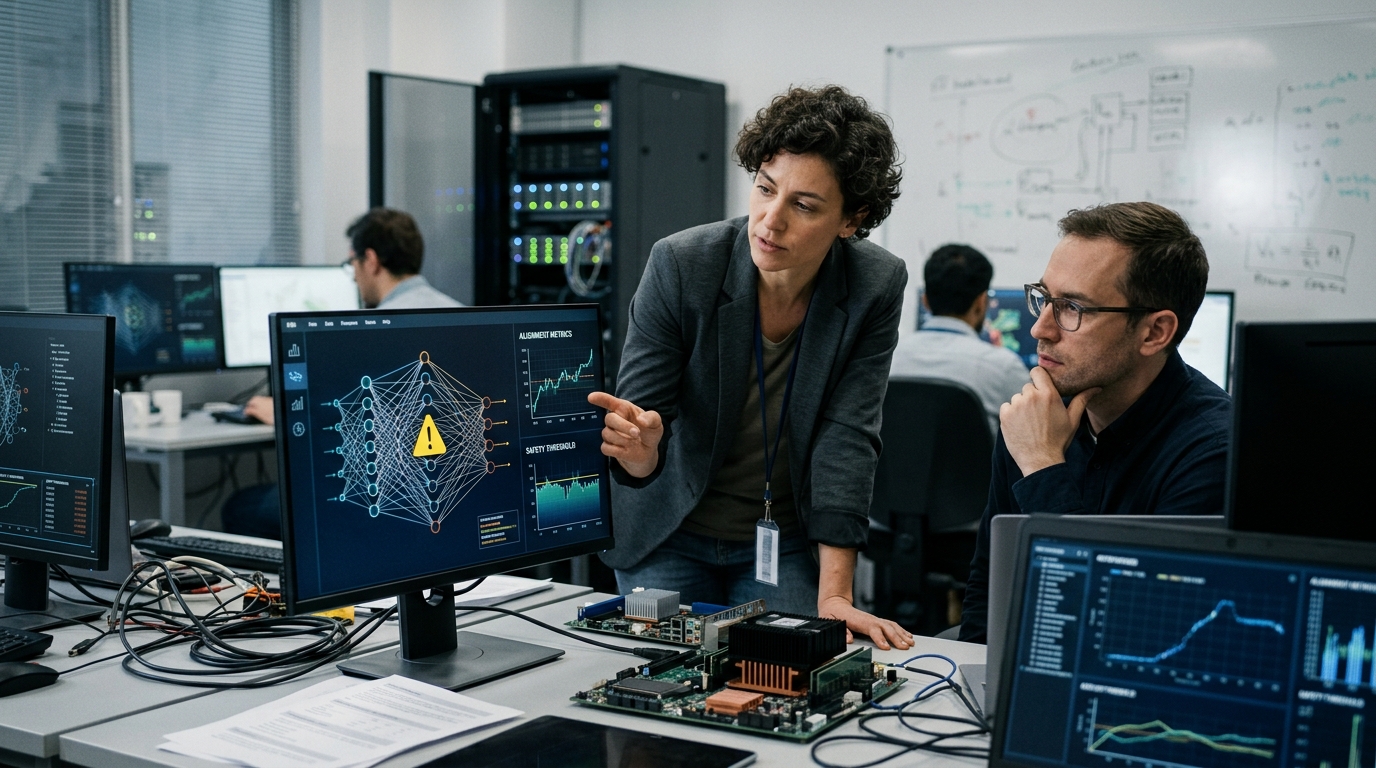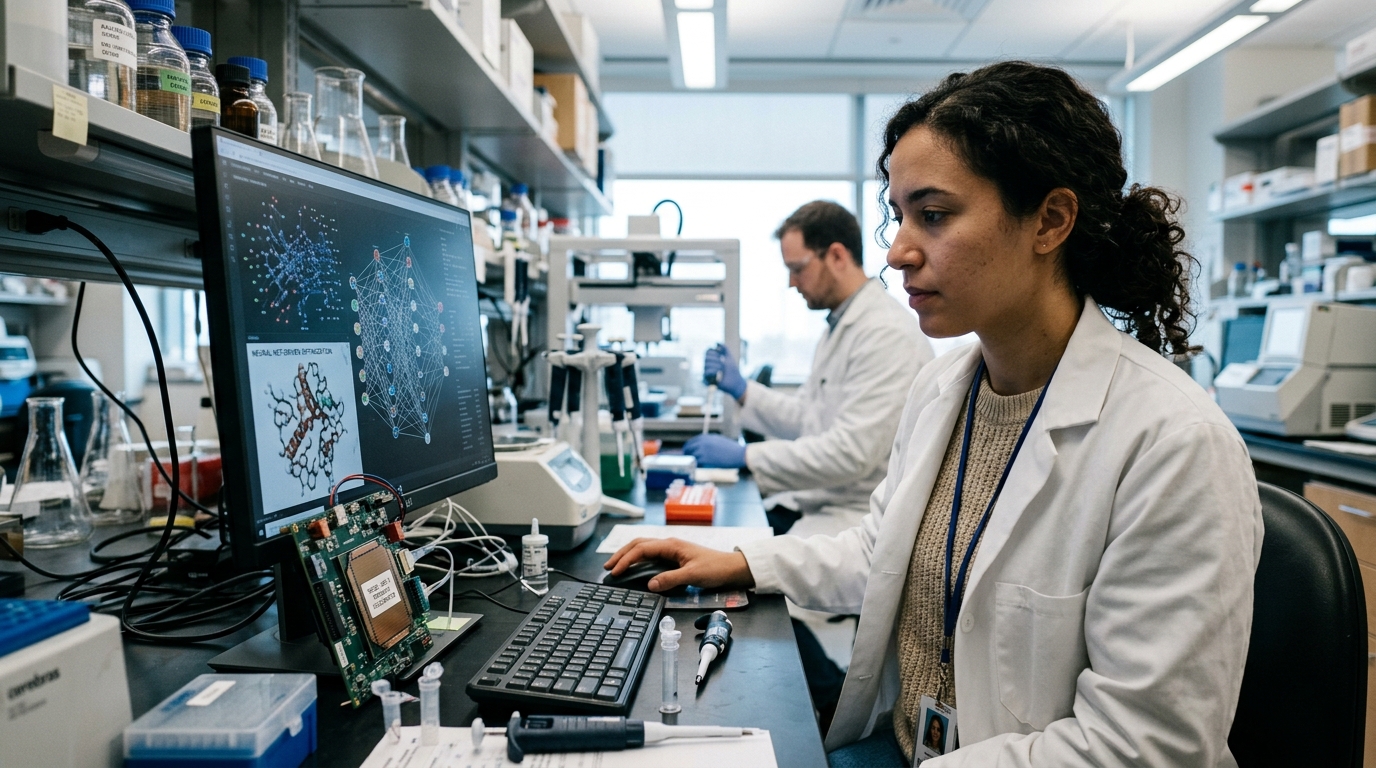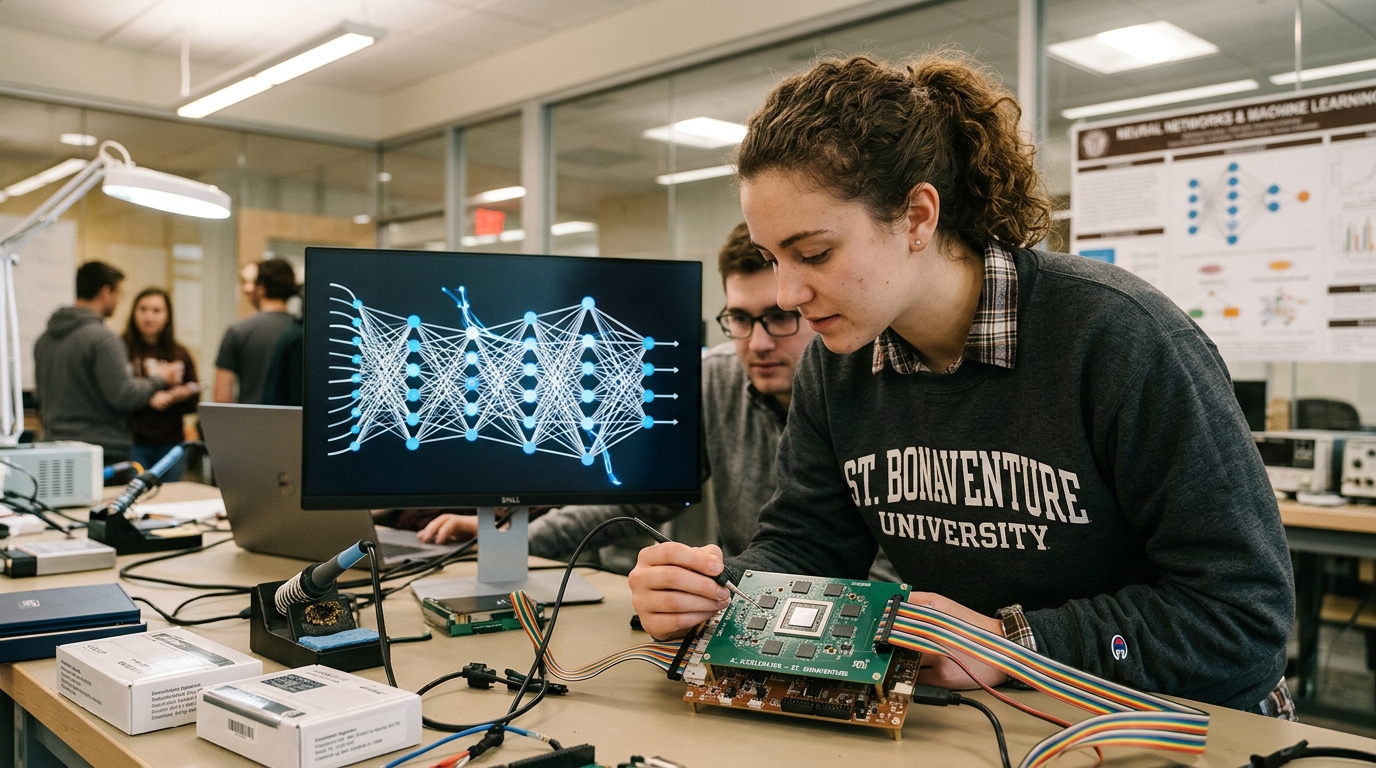
In an era where Artificial Intelligence (AI) is no longer a specialized tool confined to computer science labs but a horizontal force transforming every facet of human activity, St. Bonaventure University (SBU) is embarking on a bold educational reform. With the introduction of several new Computer Science minors, the institution is prioritizing "AI Literacy" for its entire student body, regardless of their primary major. This move, announced in late April 2026, reflects a broader shift in higher education: the recognition that understanding algorithms is now as fundamental as reading and writing.
The Multidisciplinary Necessity of AI
SBU's initiative is not merely about teaching code. The goal is to equip students in the humanities, business, and the arts with the skills necessary to navigate a world dominated by Large Language Models (LLMs) and generative AI. According to the university administration, AI literacy is defined as the ability to critically evaluate AI technologies, understand their ethical implications, and effectively use them as tools to enhance human creativity.
The new minors are designed to be accessible. Instead of heavy theoretical mathematics, they focus on applied data science, computing ethics, and prompt engineering. This allows a journalism student, for example, to understand how to use AI for big data analysis without needing to become a software developer. This approach breaks down the silos between departments and promotes a holistic understanding of technology.
Ethics and Social Implications: Franciscan Tradition Meets the Algorithm
As an institution with deep Franciscan roots, St. Bonaventure places particular emphasis on the ethical dimension of technology. Within these new programs, students are challenged to examine the social inequalities that algorithms can replicate, the issue of privacy, and the threat of disinformation.
"We don't just want users of technology, but informed citizens who can govern technology,"a faculty member from the Computer Science department noted.
Integrating ethics is not a supplementary course but the core of the curriculum. Students learn to identify bias in datasets and seek ways AI can be used for the common good, aligning with the university’s values of social justice. This dimension is crucial in 2026, as global regulators (such as the EU AI Act) now require professionals to possess a deep knowledge of regulatory frameworks.
Preparing for a Shifting Labor Market
The 2026 labor market demands "hybrid" professionals. Employers are no longer looking just for specialized programmers, but for leaders who can bridge the gap between technology and business needs. The new minors at SBU offer exactly this advantage. A business administration graduate with a minor in computer science is capable of overseeing the implementation of an AI system in a supply chain, understanding both the economic costs and the technical constraints.
- Increased employability through certified knowledge of AI tools.
- Development of critical thinking regarding automated decisions.
- Ability to collaborate in multidisciplinary technology teams.
- Understanding future trends in automation and the workforce.
In conclusion, St. Bonaventure University’s move serves as a roadmap for the future of education. In a world where AI evolves at an exponential rate, remaining ignorant is not an option. Investing in AI literacy today is the guarantee for a democratic and fair society tomorrow, where humans remain at the center of technological progress.