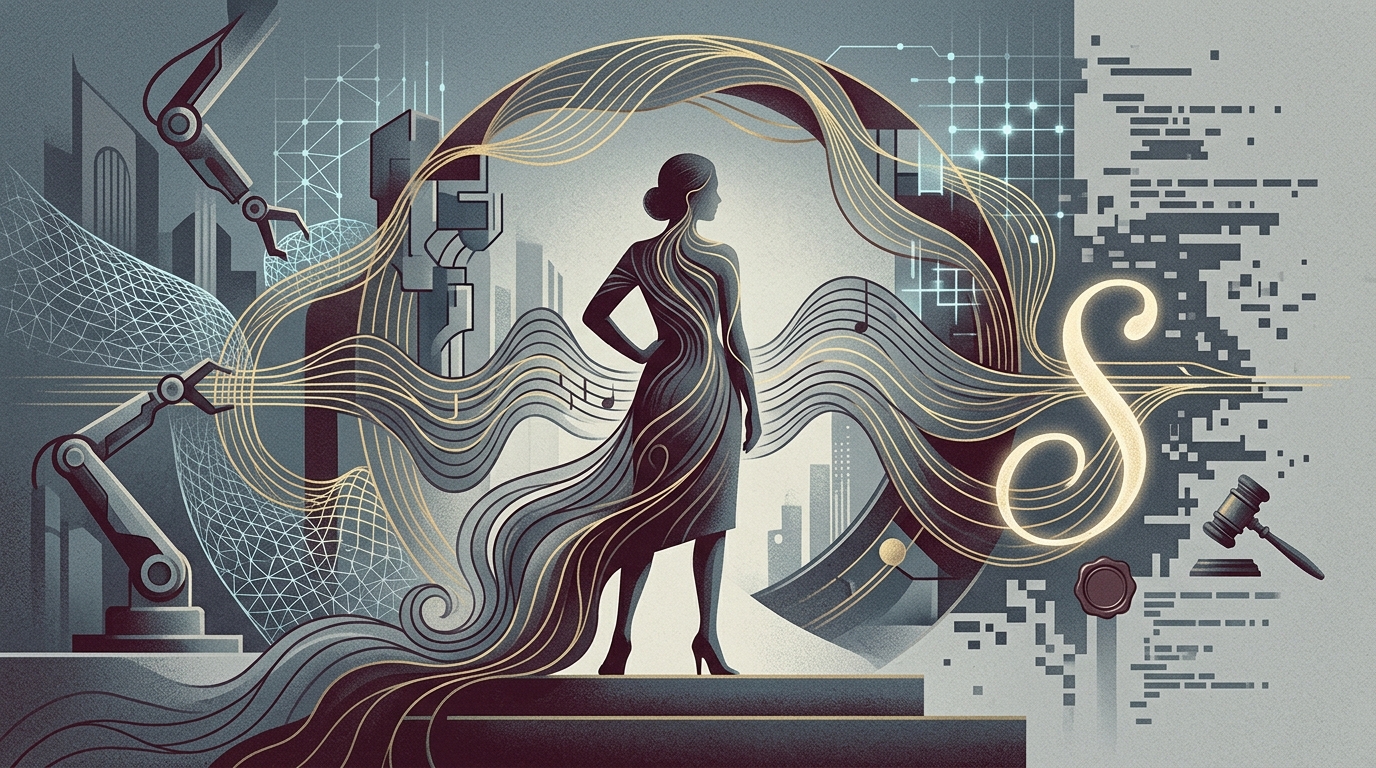
In the landscape of modern pop culture, Taylor Swift is far more than a musician; she is an economic and legal powerhouse who consistently redraws the boundaries of the music industry. Following her historic battle to reclaim her master recordings, Swift is now pivoting toward a new, existential threat facing creators: Artificial Intelligence (AI). Her strategic move to trademark her voice and fortify her digital identity is not merely a personal endeavor but a watershed moment for the future of human creativity in the age of automation.
The Proliferation of AI Clones and the Identity Crisis
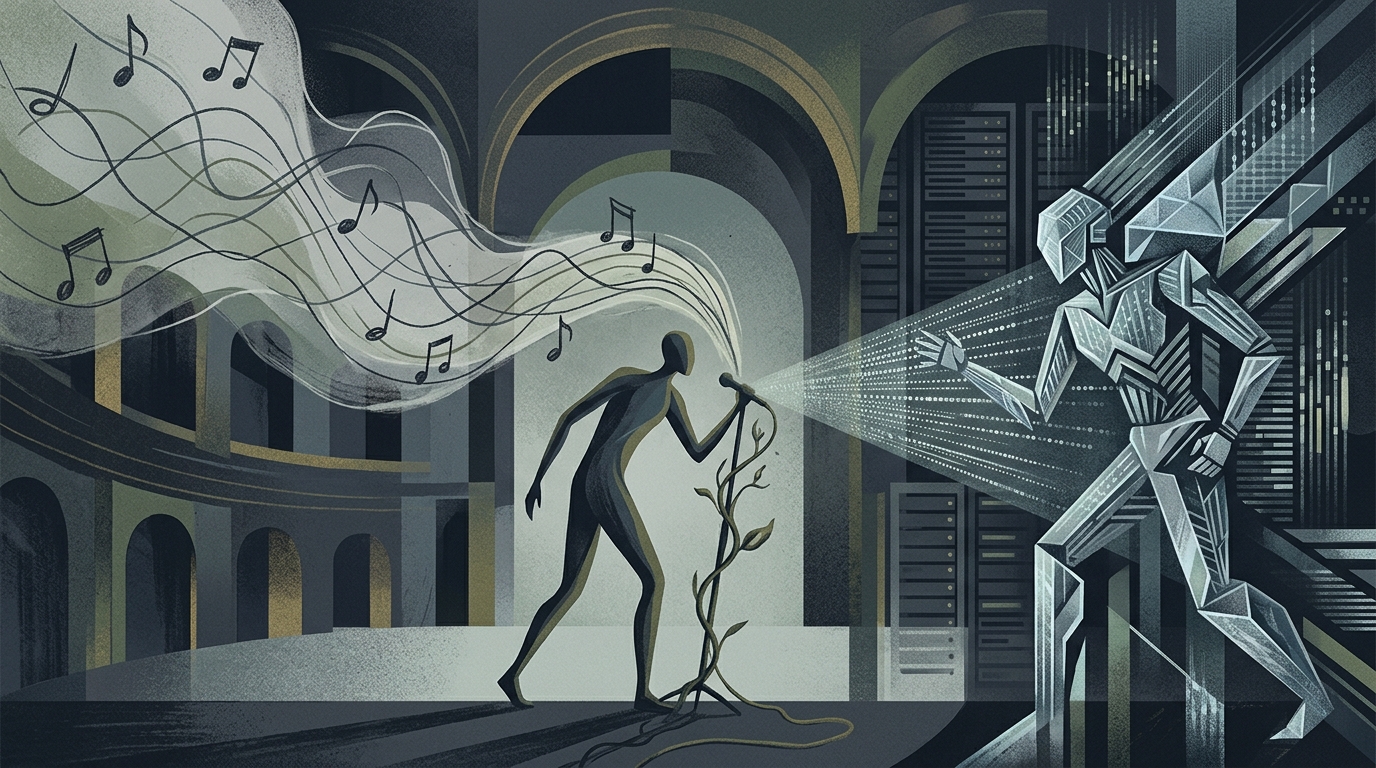
AI technology has reached a point where creating audio deepfakes is chillingly simple. With just a few minutes of high-quality audio, algorithms can replicate the timbre, inflection, and emotional nuance of any human voice. For an artist of Swift’s stature, this means the internet could soon be flooded with songs she never sang, lyrics she never wrote, and endorsements she never made. This issue transcends financial loss; it is a profound ethical violation. The voice is the most intimate and recognizable facet of human identity, and its unregulated exploitation by machines challenges the very concept of individual autonomy in the digital sphere.
The Legal Void: Copyright vs. Personality Rights
Current intellectual property laws are largely ill-equipped for the AI revolution. While copyright protects a specific recording or a written composition, it does not inherently protect the "vibe" or the biometric signature of a voice. Swift’s legal team is exploring ways to expand the "right of publicity" to a federal level in the United States, while simultaneously utilizing trademark law to prevent unauthorized vocal simulations. The state of Tennessee has already taken a massive step with the ELVIS Act (Ensuring Likeness Voice and Image Security), the first legislation specifically designed to protect artists from AI-generated likenesses. Swift, a Nashville resident, is a central figure in this legislative evolution.
- Voice as biometric data: The urgent need for protection beyond traditional copyright.
- The impact of deepfakes on artist credibility and brand integrity.
- Economic repercussions of royalty-free AI content generation.
- Setting a legal precedent for independent creators without Swift's resources.
Ethical Implications: Is It Art or Mimicry?
Beyond the legal technicalities, Swift’s crusade sparks a necessary debate on the essence of art. If an AI can compose a song "in the style of Taylor Swift" and perform it with her exact vocal likeness, what remains of the human connection that makes music meaningful? Proponents of generative AI argue that these tools democratize creativity, allowing anyone to collaborate with their idols. However, Swift’s position is clear: art requires lived experience and, above all, consent. Trademarking her voice is not an attempt to stifle technology, but rather an effort to ensure that technology serves the creator rather than cannibalizing them.
"An artist's voice is the fingerprint of their soul; its theft by an algorithm isn't innovation, it's a violation of the self."
The Future of the Music Industry
Swift’s actions are expected to trigger a domino effect across the entertainment world. Major record labels are already in high-stakes negotiations with platforms like YouTube and Spotify to implement filters and licensing frameworks for AI-generated content. If Swift successfully establishes a legal framework for voice ownership, she will create a defensive perimeter that forces tech giants to respect human intellectual property. In a world where the lines between the physical and digital are increasingly blurred, the protection of human uniqueness is becoming the most defining battle of the 21st century.