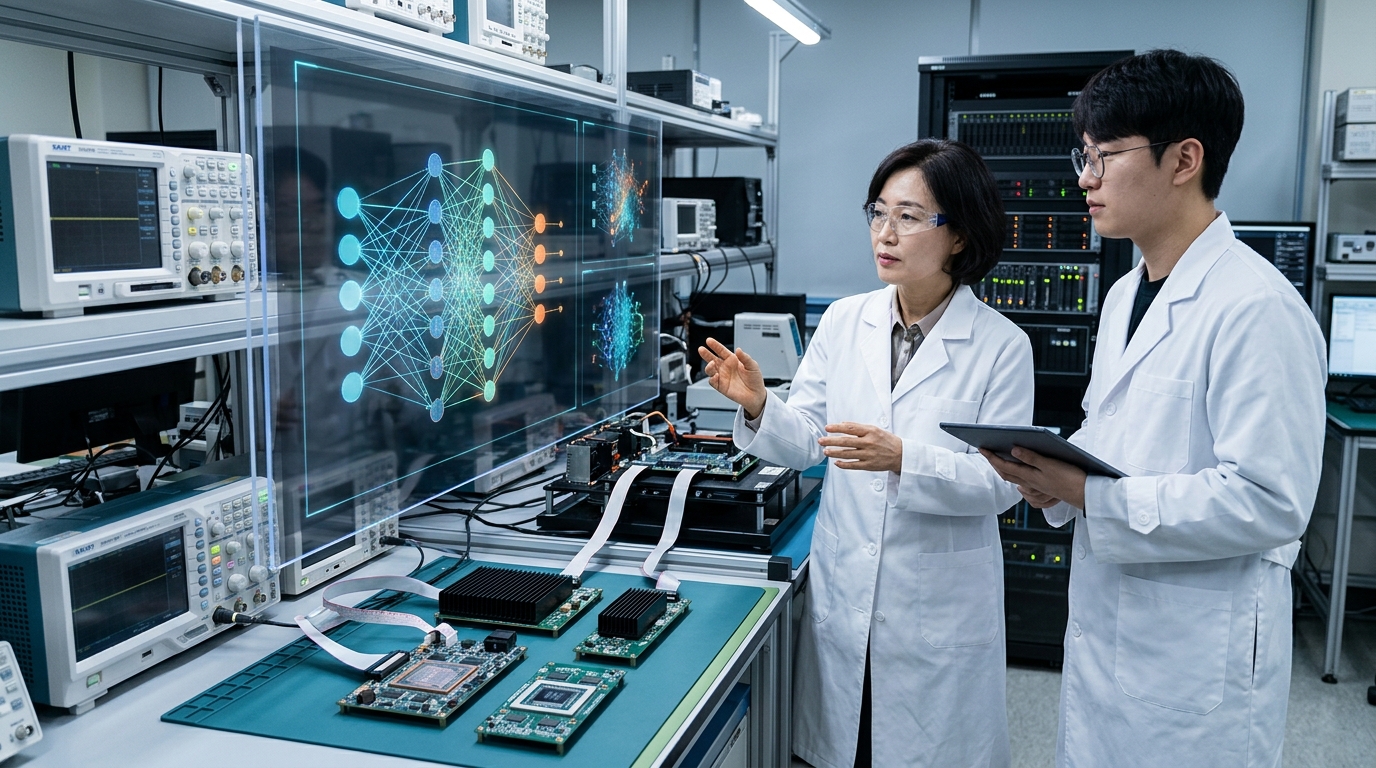
In an era where the global geopolitical chessboard is being reshaped by technological supremacy, South Korea is taking a bold leap into the future. The nation’s Ministry of Science and ICT (MSIT) has announced the launch of the 'K-Moonshot' program, a strategic initiative that aims to establish Artificial Intelligence (AI) as the central pillar of scientific research. This is not merely a financial injection; it is a fundamental paradigm shift in how knowledge is produced and applied.
The Philosophy of AI for Science (AI4S)
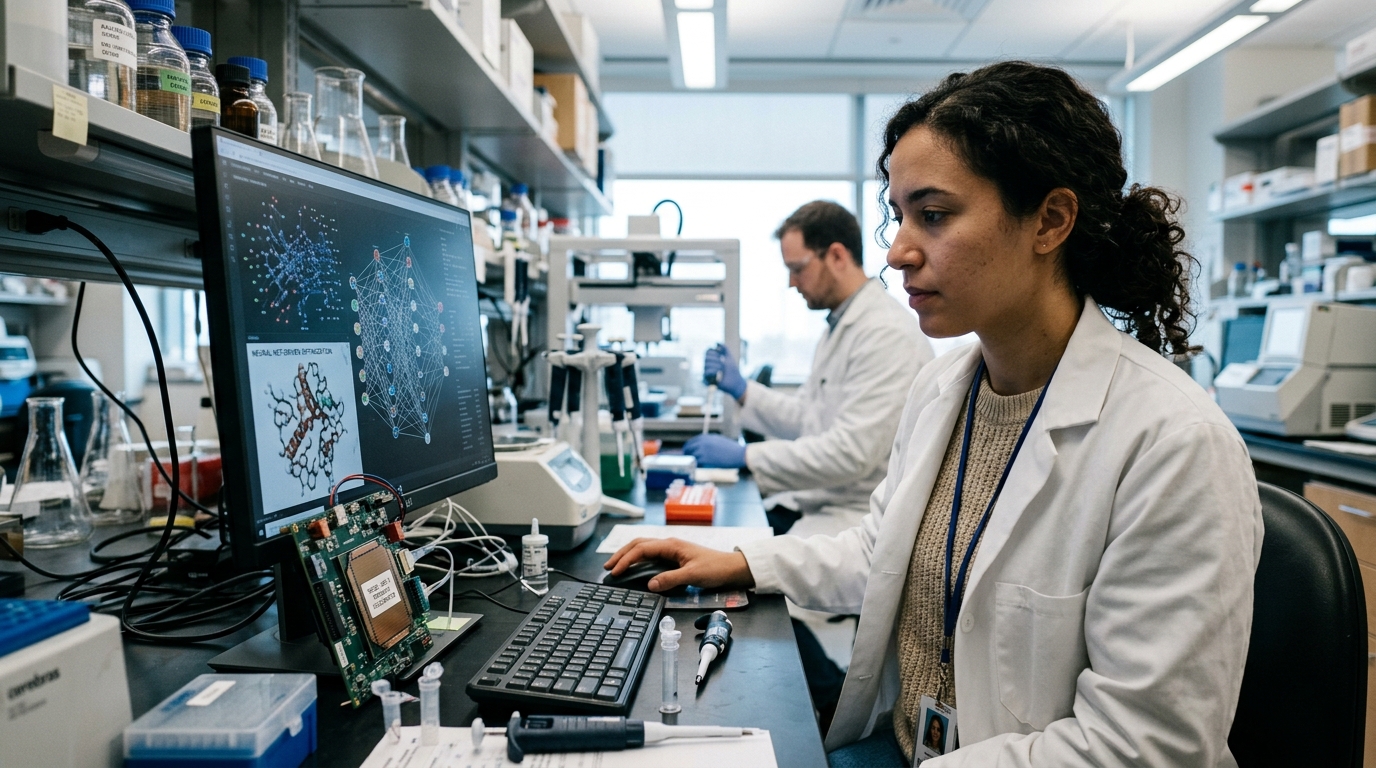
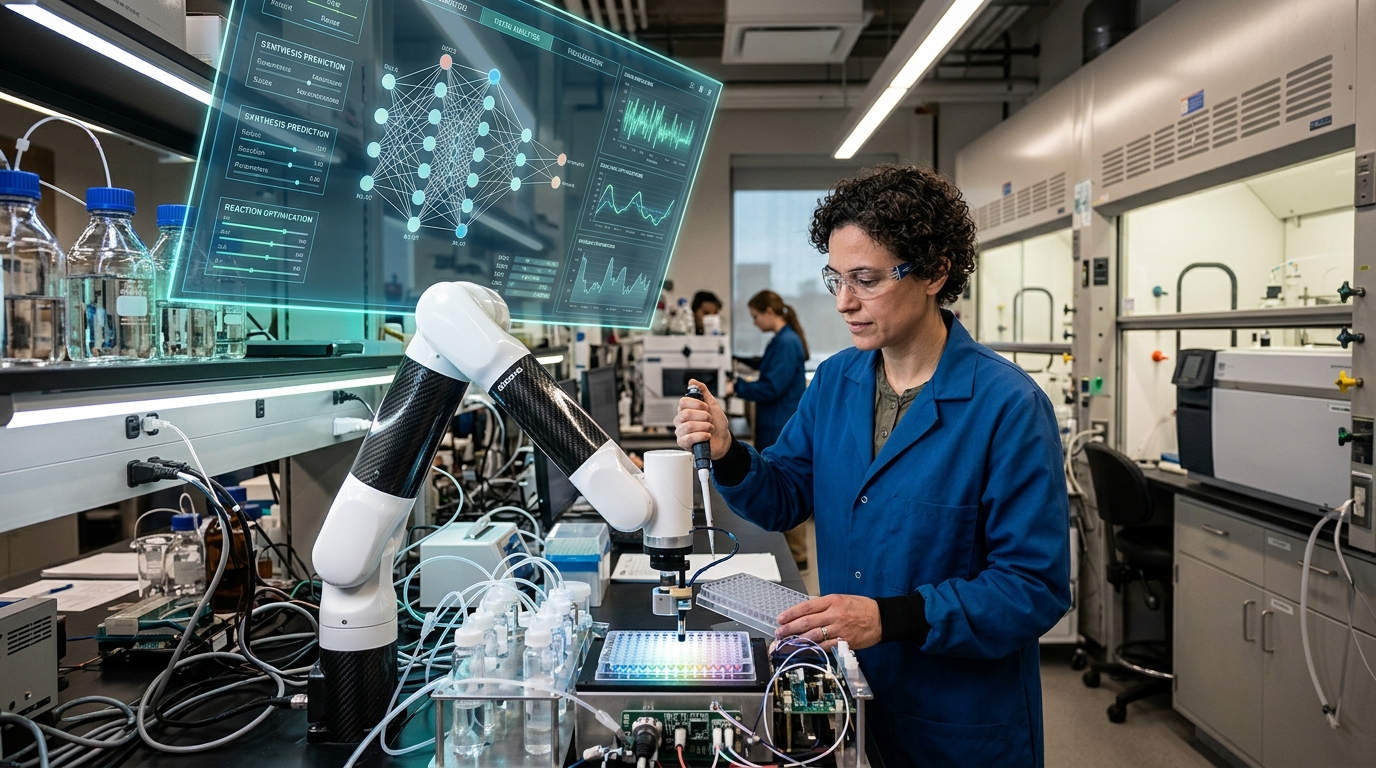
K-Moonshot is built upon the concept of 'AI for Science' (AI4S), which proposes using machine learning algorithms and large language models not just for data analysis, but for the very design of experiments and the prediction of outcomes in fields previously considered inaccessible. The Korean government recognizes that the traditional scientific method, while proven, often hits bottlenecks of time and cost. With AI, the process of discovering new materials, drugs, or energy solutions can be accelerated tenfold, or even a hundredfold.
- Discovery of next-generation materials for semiconductors and batteries.
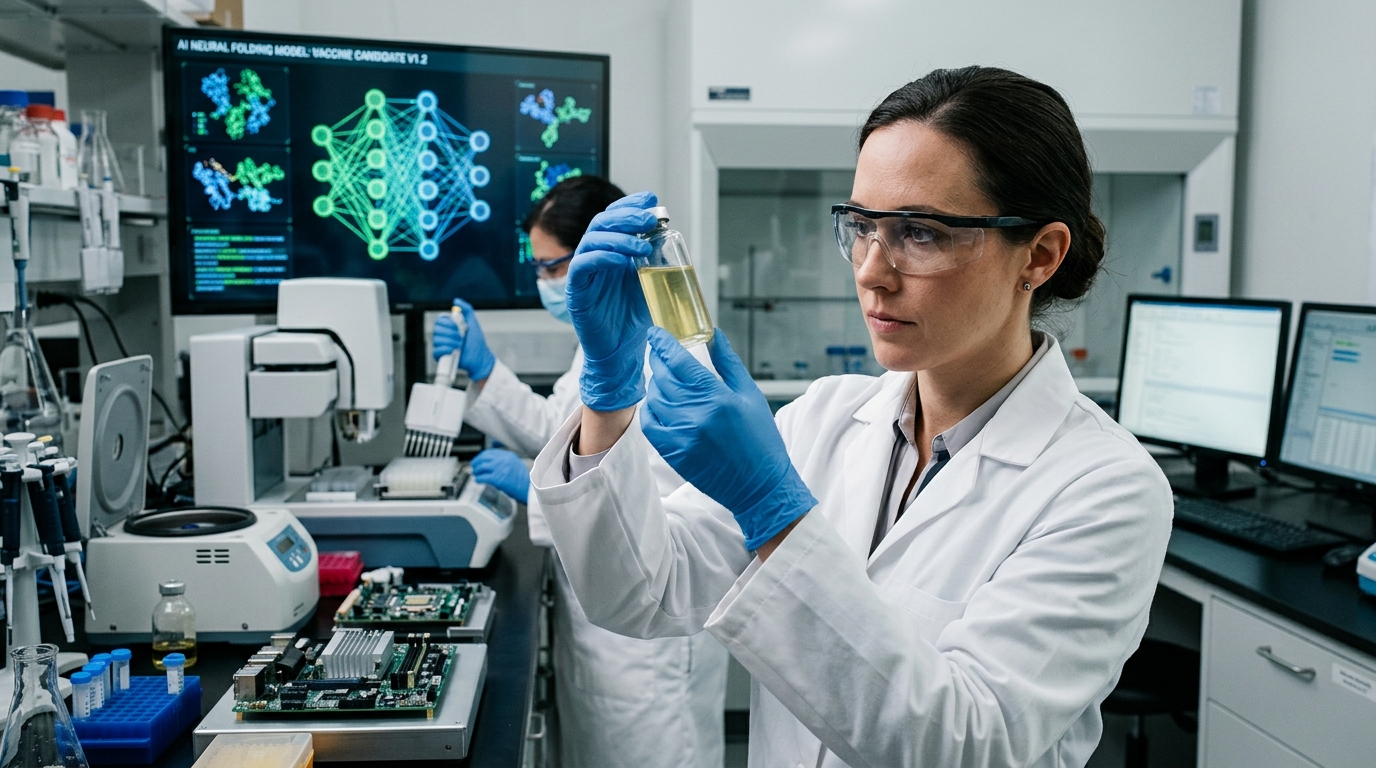
- Acceleration of biotechnological research to combat rare diseases.
- Simulation of climate models with unprecedented precision.
- Optimization of nuclear fusion as a viable clean energy source.
A Survival Strategy in a Competitive World
Seoul’s move does not occur in a vacuum. As the US and China invest trillions into AI, South Korea feels the pressure to maintain its leadership in high technology. K-Moonshot aims to bridge the gap between academic research and industrial application. The country, which already dominates the semiconductor market, now seeks to become the global hub for 'AI-driven science.' The program includes the creation of specialized supercomputing infrastructures and the training of a new generation of 'scientist-coders' who can navigate seamlessly between laboratories and algorithms.
"K-Moonshot is not just a research project; it is South Korea’s answer to the challenge of the new digital renaissance," stated MSIT officials.
Challenges and the Ethical Stakes
Despite the optimism, the venture faces significant hurdles. The first concerns data quality and accessibility. To effectively train AI4S models, vast amounts of high-quality scientific data are required, which are often fragmented or protected by intellectual property rights. Furthermore, there is the issue of 'explainability': if an AI suggests a new chemical compound, scientists must understand the 'why' behind this suggestion to ensure the safety and validity of the discovery. South Korea must establish a rigorous ethical framework to ensure that AI remains a tool in the service of humanity rather than an uncontrollable 'black box' of knowledge production.
Conclusion: The Road Ahead
To conclude, K-Moonshot is a high-stakes, high-reward gamble. If successful, South Korea will not only export chips and cars but the very technology of scientific discovery itself, altering the course of global innovation for decades to come. The success of this initiative will depend on the seamless integration of public funding, private sector agility, and a commitment to transparent, ethical AI development.