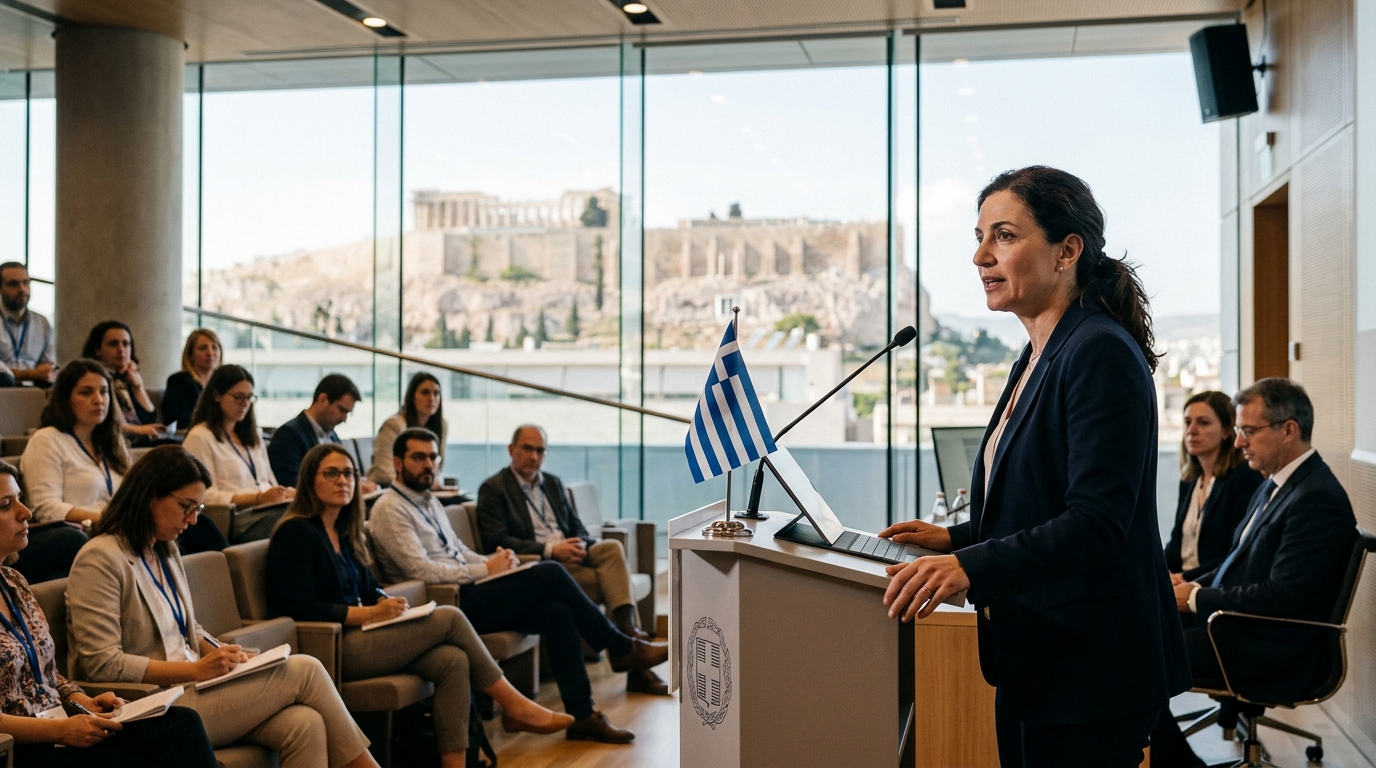
As we navigate through May 2026, the Greek academic landscape is witnessing a pivotal transformation. The announcement of the new Master's program, "Artificial Intelligence and Applications," as detailed by the educational news outlet ESOS, is more than just a curricular update; it is a strategic response to the global technological acceleration. In an era where Generative AI and Large Language Models have redefined every sector from healthcare to jurisprudence, the demand for a specialized workforce in Greece has never been more urgent.
Curriculum Structure and Strategic Philosophy
The design of this postgraduate program reflects the multifaceted nature of contemporary technology. It moves beyond the mere teaching of algorithms and syntax, focusing instead on the practical applications capable of transforming the Greek economy. Students are expected to delve deep into Machine Learning, Natural Language Processing (NLP), and Computer Vision, with a significant emphasis on Big Data analytics.
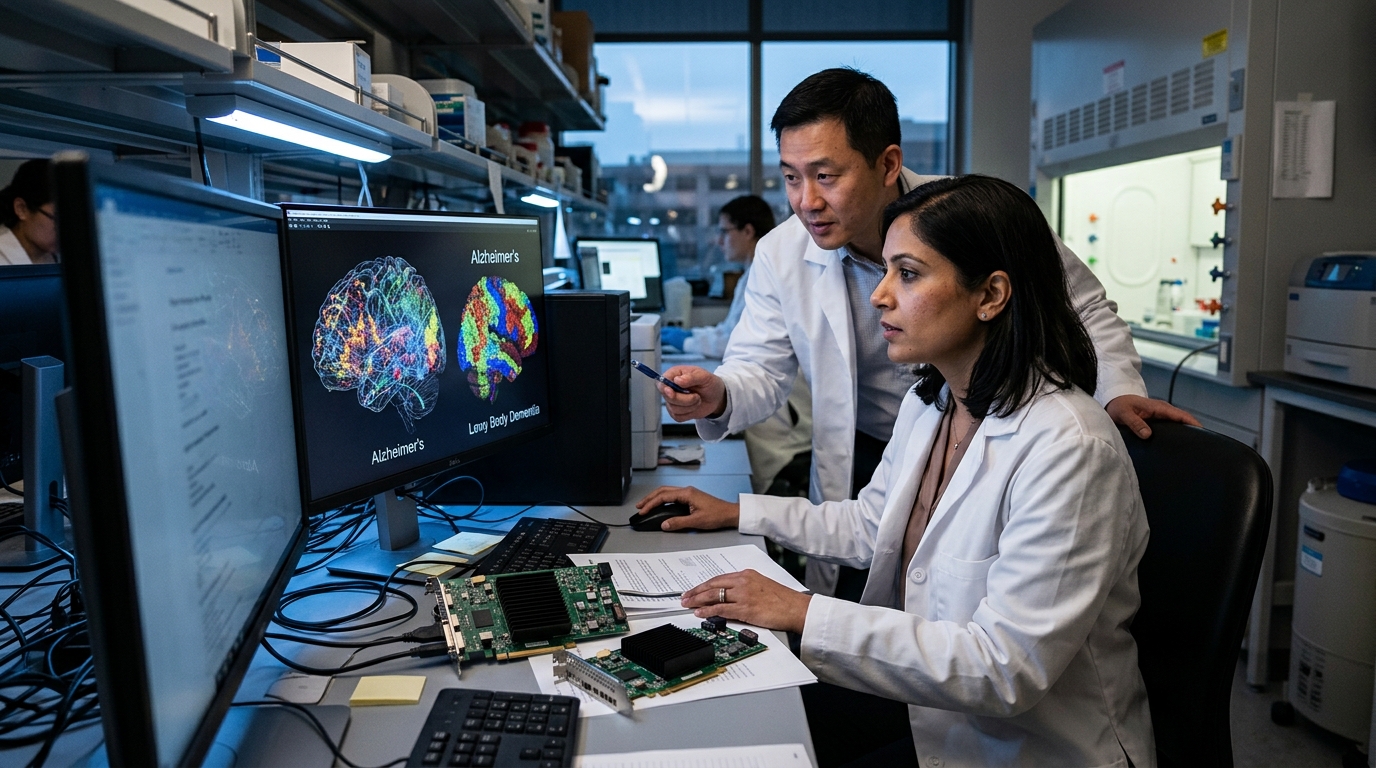
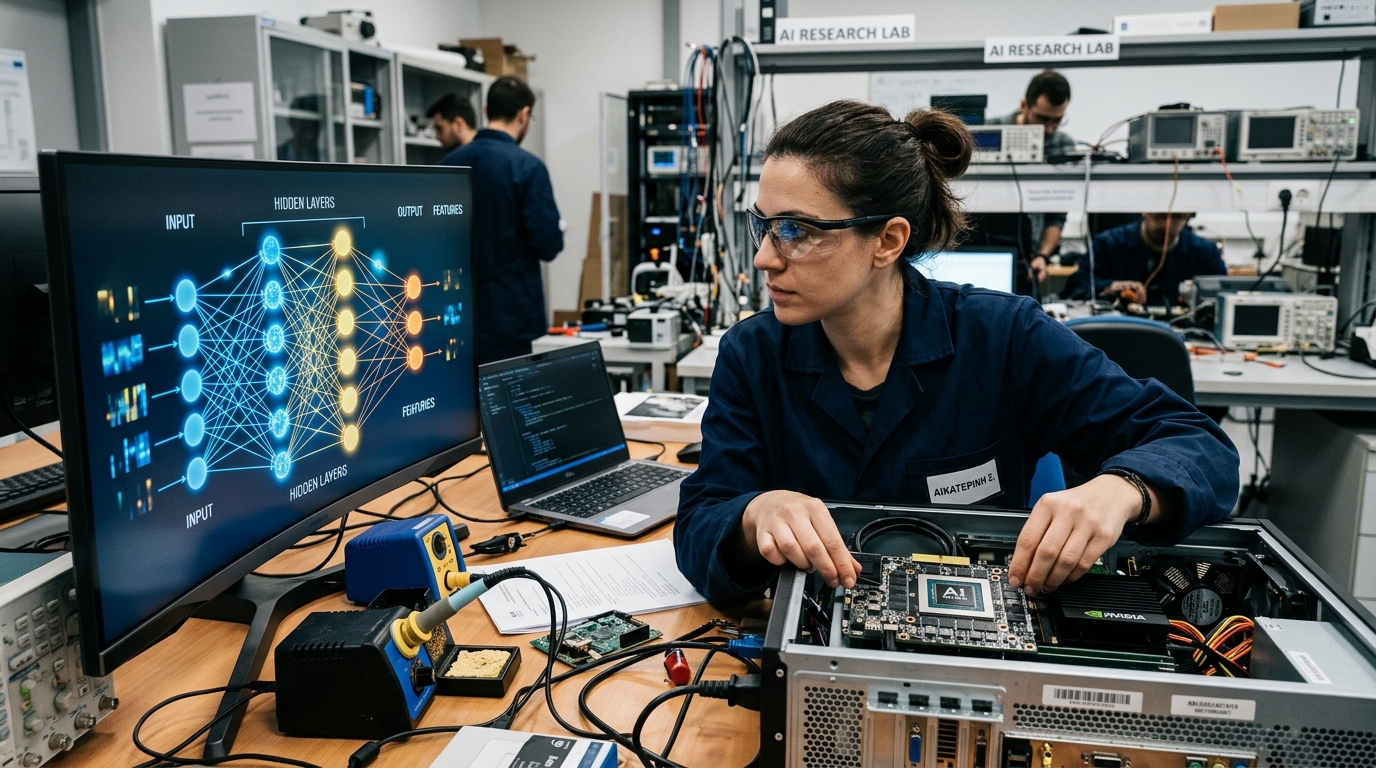
What distinguishes this specific Master's is its commitment to bridging the gap between theoretical research and industrial production. Through hands-on laboratory work and partnerships with the private sector, the program aims to cultivate "solution architects" rather than just theoretical computer scientists. Fields such as AI in Healthcare—utilizing diagnostic image analysis—or AI in Tourism—for personalized visitor experiences—represent areas where Greece holds a distinct competitive advantage.
Combatting Brain Drain Through Excellence
One of the Greek state's most persistent challenges is reversing the "brain drain." Establishing high-level AI programs serves as a critical bulwark against the migration of scientific talent. By providing young researchers with the tools to compete globally while remaining within the country, the foundations for a domestic innovation ecosystem are laid.
- Upskilling opportunities for existing IT professionals to meet 2026 standards.
- Attracting foreign direct investment from tech giants seeking local talent.
- Fostering the creation of research-based startups within the university framework.
However, the challenge remains: can the Greek university system, often hindered by bureaucratic inertia, keep pace with the rapid cycles of Silicon Valley? The answer lies in the curriculum's agility and its capacity for near real-time updates to reflect the latest breakthroughs in the field.
The Ethical Frontier and AI Governance
No modern AI curriculum is complete without a rigorous examination of ethical and legal frameworks. With the full implementation of the EU AI Act, future scientists must master the principles of transparency, accountability, and data protection. This Master's program includes dedicated modules on "AI Ethics," preparing graduates to navigate complex dilemmas regarding algorithmic bias and the socio-economic impacts of automation.
"Artificial Intelligence is not a neutral tool; it is a mirror of our data and our biases. The education of new scientists must begin with the concept of responsibility."
In conclusion, the initiative highlighted by ESOS represents a hopeful stride forward. Greece cannot afford to remain a mere consumer of technology; it must evolve into a producer of knowledge. The success of this program will ultimately be measured by the employability of its graduates and the extent to which their research translates into tangible solutions for societal challenges. In the race for AI sovereignty, education is the only sustainable starting line.