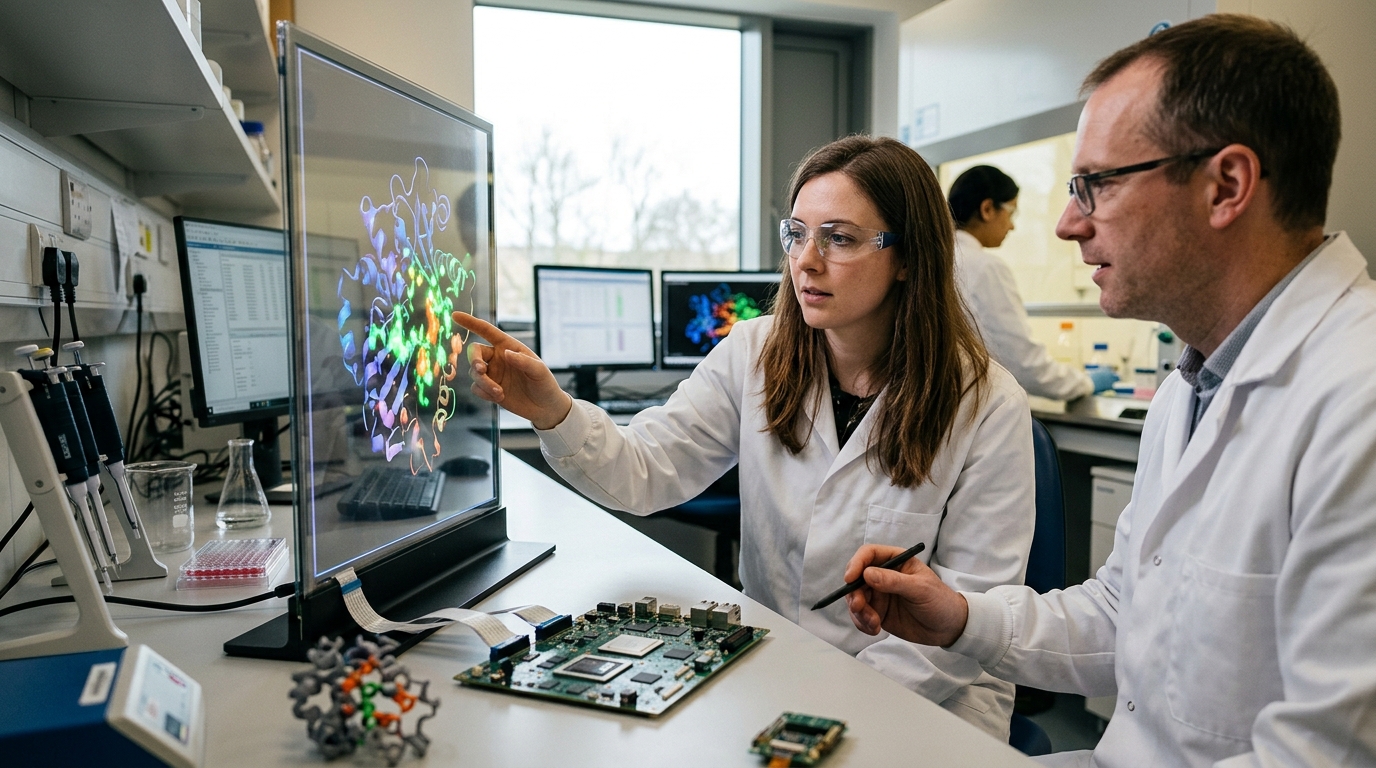
In a move that underscores a significant shift in the technological center of gravity from Silicon Valley to emerging innovation ecosystems, IBM has announced the establishment of two new flagship hubs in Illinois and Massachusetts. These centers are more than just satellite offices; they represent strategic bastions where Artificial Intelligence (AI) converges with Quantum Computing to tackle problems previously deemed unsolvable by classical machines.
The Quantum Leap in Illinois and the Midwest
The selection of Illinois, and specifically the Greater Chicago area, is a calculated decision. In recent years, the state has transformed into a premier global destination for quantum research, bolstered by the collaborative efforts of world-class institutions like the University of Chicago and national laboratories such as Argonne and Fermilab. By investing in this ecosystem, IBM aims to leverage existing high-tech infrastructure to accelerate the development of next-generation quantum processors.
The new Illinois hub will focus on developing quantum algorithms with practical applications in materials science and supply chain logistics. AI plays a pivotal role here: machine learning models are utilized to 'translate' complex quantum data into actionable insights for the corporate world. The partnership with the Chicago Quantum Exchange serves as the cornerstone of this initiative, creating a vital bridge between academic theory and industrial utility.
Massachusetts: The Nexus of AI and Life Sciences
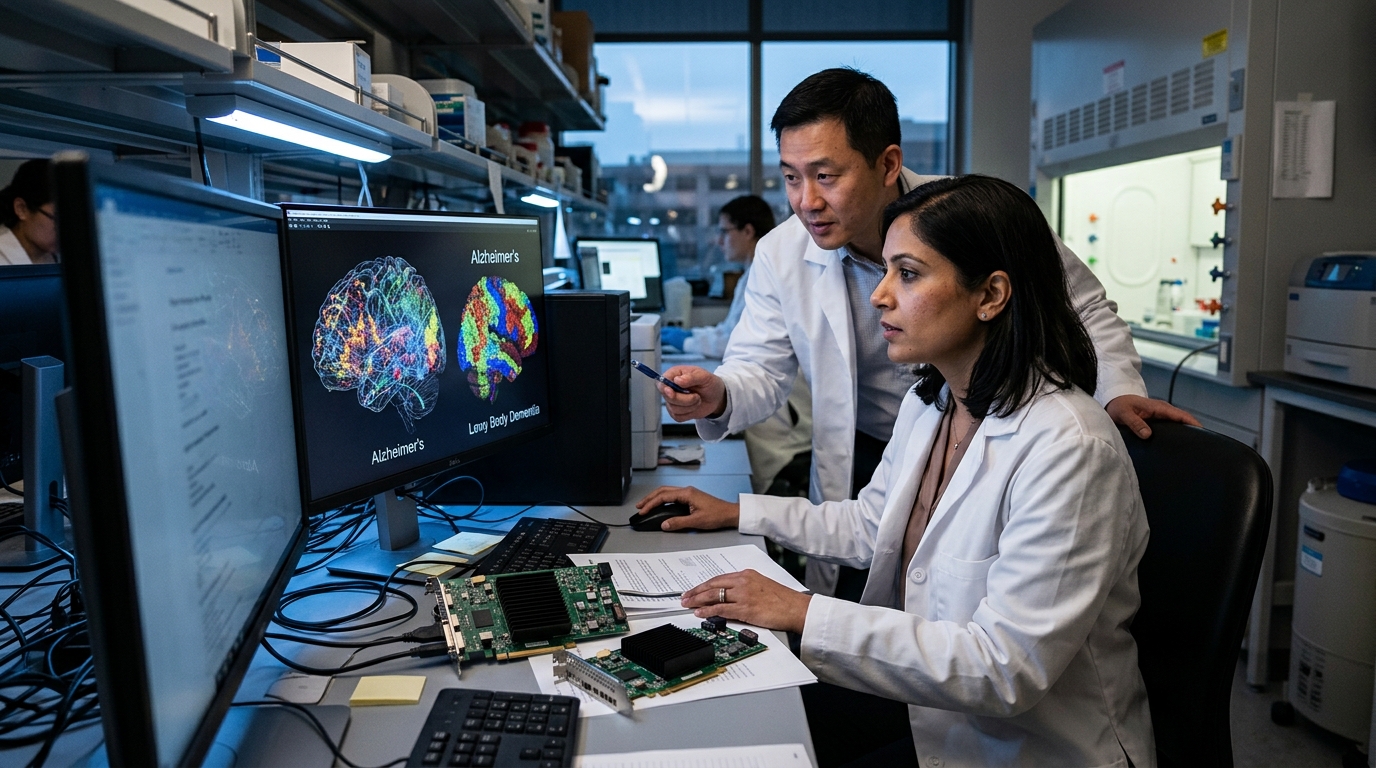
On the Eastern seaboard, the Massachusetts hub is positioned within the heart of the world's most dynamic biotechnology and information technology ecosystem. Centered around Boston and Cambridge, IBM seeks to marry its generative AI platform, watsonx, with the immense potential of quantum computing for drug discovery and healthcare innovation. Massachusetts offers unparalleled access to a talent pool from MIT and Harvard, alongside a plethora of startups hungry for massive computational power.
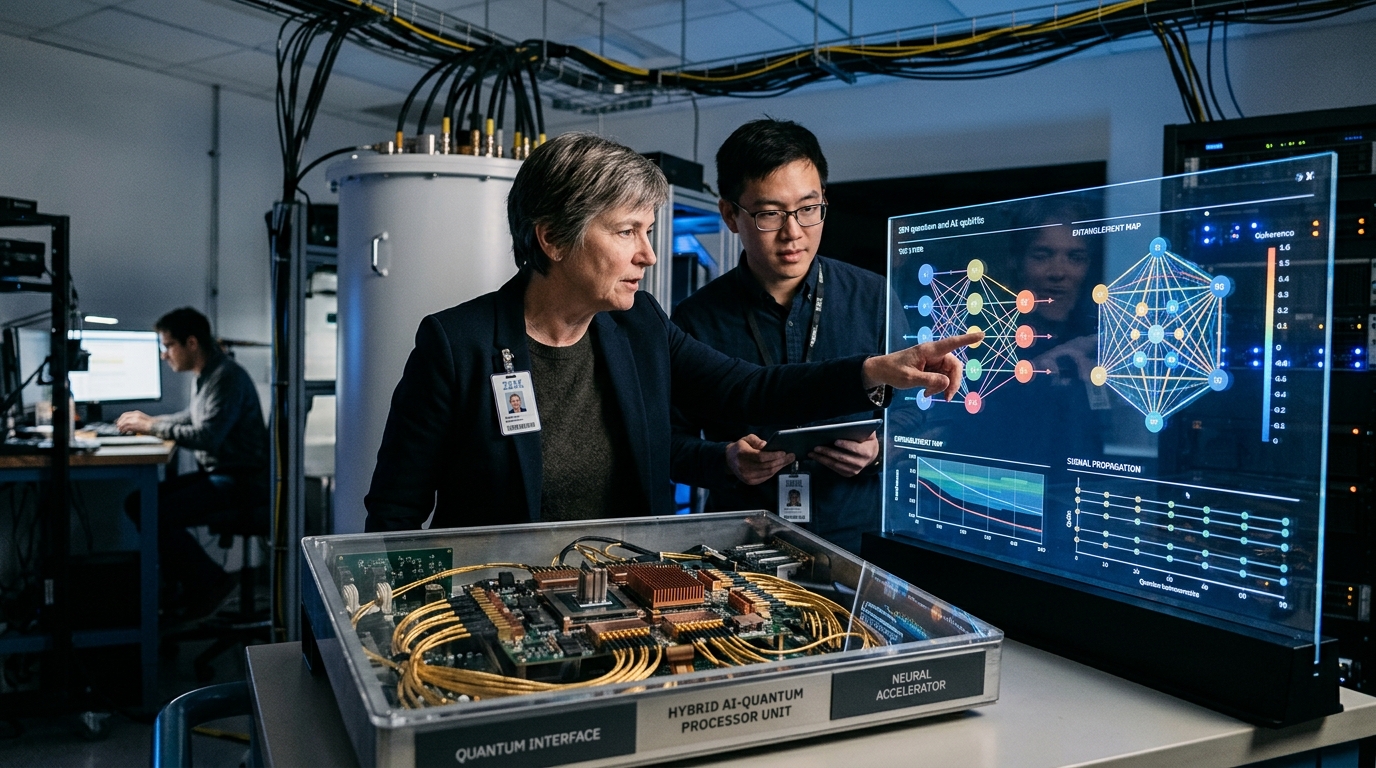
IBM’s strategy in Massachusetts revolves around 'quantum-centric supercomputing.' This architecture involves classical supercomputers and quantum processors working in tandem, orchestrated by intelligent AI layers that optimize workload distribution. This hybrid model is increasingly viewed as the 'Holy Grail' of computing for the current decade, promising to reduce the time-to-market for life-saving therapies.
The Geopolitics of Compute and the CHIPS Act
These investments cannot be analyzed in isolation from the broader geopolitical landscape. The U.S. government, through the CHIPS and Science Act, has funneled billions of dollars into domestic semiconductor manufacturing and research into critical technologies. IBM is strategically positioning itself as the 'national champion' that will ensure American leadership in AI and quantum computing remains unchallenged by global competitors, particularly in Asia.
Furthermore, decentralizing tech development away from California serves significant political and economic goals. It creates high-skilled jobs in regions traditionally associated with the industrial Rust Belt or established East Coast academic corridors. This regional diversification helps build broader social consensus for AI technologies, which are often viewed with skepticism due to their potential to automate traditional roles.
Conclusions and Future Horizons
IBM’s announcement is a definitive statement of power. In an era where Google, Microsoft, and NVIDIA dominate AI headlines, IBM is reminding the market that the true revolution lies in 'deep tech.' The integration of AI and quantum computing is no longer a sci-fi scenario but a commercial reality that will define the victors of the global economy through 2030.
- Strengthening public-private research partnerships.
- Creating industry-specific hubs (Healthcare in MA, Industry in IL).
- Focusing on ethical AI through the lens of quantum-safe encryption.
As we move into the latter half of the 2020s, the success of these hubs will be measured by their ability to translate raw research into tangible products that can be adopted by Fortune 500 companies seeking a competitive edge in a hyper-automated world.