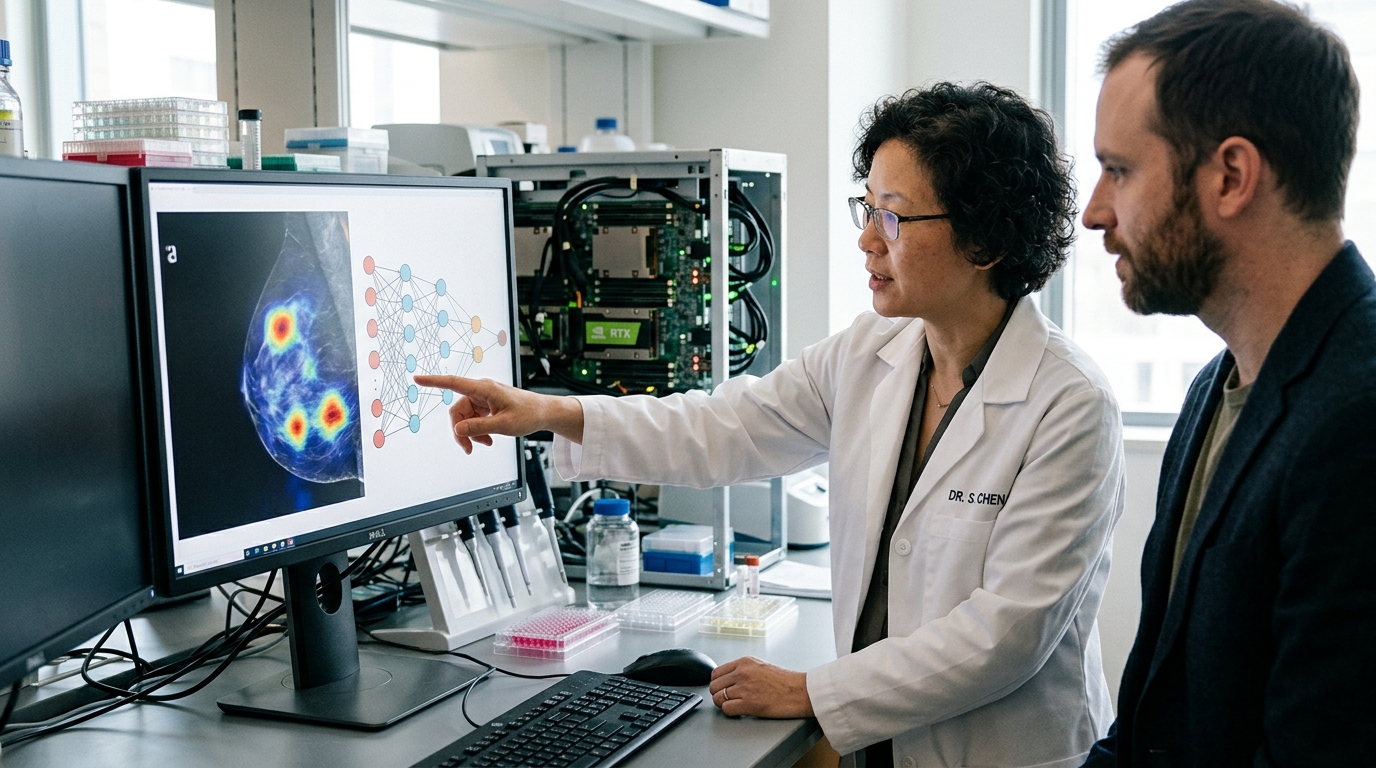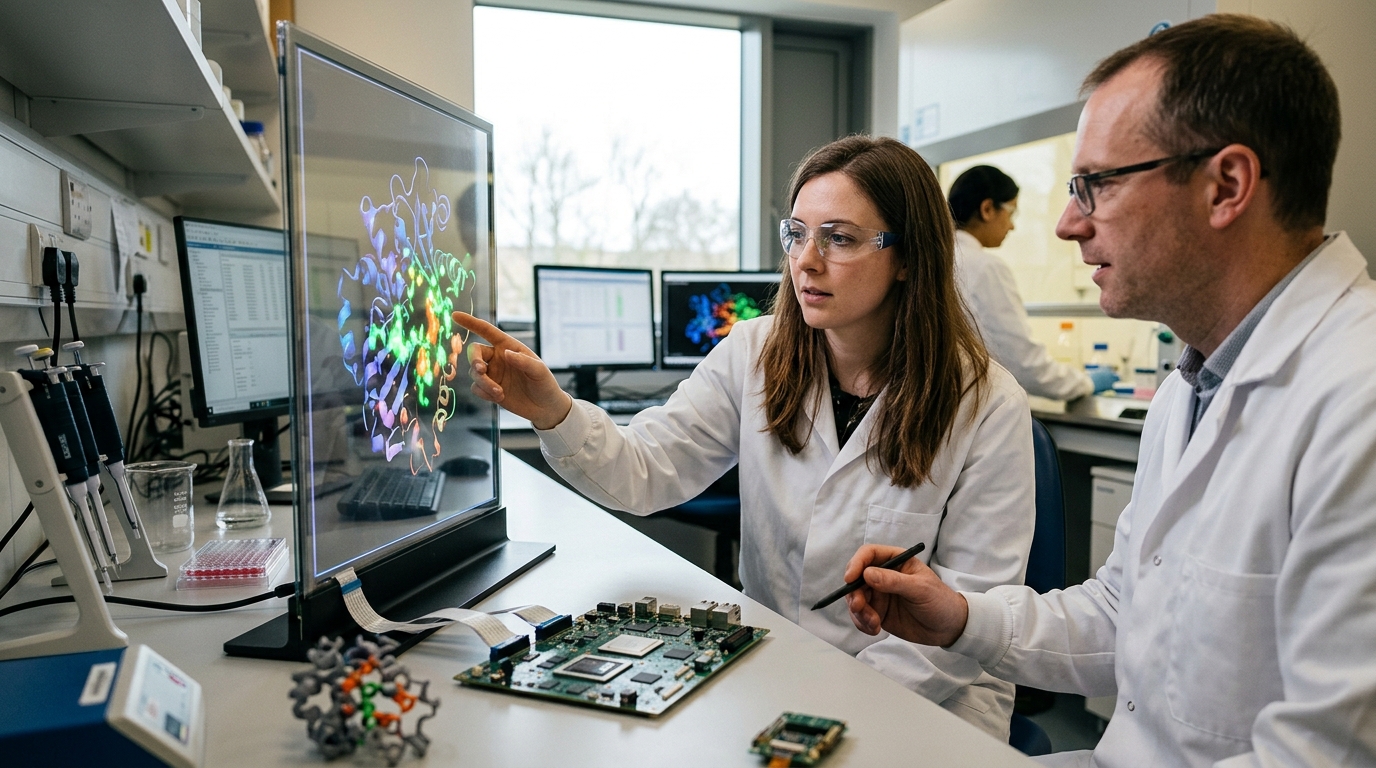
In an era where global healthcare faces mounting challenges—from aging populations to the emergence of novel pathogens—the pharmaceutical industry is turning to technology for radical solutions. Pascal Soriot, CEO of AstraZeneca, recently highlighted to CNBC that Artificial Intelligence (AI) is no longer a futuristic promise but a present reality fundamentally reshaping how drugs are discovered and developed. The traditional process, which often takes over a decade and costs billions of dollars with failure rates hovering around 90%, is undergoing a digital upgrade that could change everything.
Overcoming the 'Valley of Death' in Pharmacology
Drug development has historically been a process of trial and error. The so-called 'Valley of Death' refers to the stage where promising molecules fail during clinical trials due to a lack of efficacy or unforeseen side effects. According to Soriot, AI allows AstraZeneca to identify biological targets more effectively. "We can now analyze vast amounts of genomic data to better understand the complexity of diseases," he noted. The ability of algorithms to detect patterns invisible to the human eye enables scientists to select molecules with a much higher 'Probability of Success' (PoS).
The use of Generative AI also facilitates the design of new proteins and antibodies 'de novo.' Instead of searching nature or existing chemical libraries, researchers can now prompt AI to design a molecule that fits perfectly into a specific receptor of a cancer cell. This precision reduces the time required for the preclinical research stage—which traditionally took three to five years—to just a few months.
Digital Twins and Smart Clinical Trials
One of the most critical areas where AstraZeneca is applying AI is in clinical trials. Soriot explained that the company uses 'digital twins'—virtual patient models based on historical data—to predict how real participants will react to a treatment. This allows for better trial design, selection of the right patients, and, in some cases, a reduction in the number of people required for the control (placebo) group, thereby accelerating regulatory approval.
"AI is not replacing our scientists; it is giving them superpowers. It allows us to fail faster and cheaper, so we can focus on what actually works," said the AstraZeneca CEO.
Furthermore, integrating AI into the supply chain and manufacturing ensures that new drugs can be produced at scale more efficiently. Optimizing production processes via algorithms reduces waste and the carbon footprint, aligning business goals with environmental sustainability.
The Geopolitical and Economic Dimension
The race for AI in pharma is not just scientific; it is geopolitical. With China and the US investing billions in AI-driven biotechnology, Europe and major European pharma giants like AstraZeneca (headquartered in the UK) are under pressure to remain competitive. Soriot emphasized the need for a stable regulatory framework that encourages innovation without compromising patient safety. Collaboration with tech companies and access to high-quality health data are the keys to future dominance in the sector.
However, the rise of AI also raises questions about drug pricing. While the technology promises to reduce development costs, it remains to be seen whether these economies of scale will be passed on to patients and healthcare systems or used exclusively to boost shareholder margins. AstraZeneca seems to be betting on volume and efficacy, hoping that bringing more drugs to market faster will offset pricing pressures.
Conclusion: A New Era for Medicine
AstraZeneca's strategy under Pascal Soriot demonstrates that the pharmaceutical industry is gradually transforming into a data industry. AI is no longer an experiment in computer science labs but the central pillar of survival and growth strategy. As the odds of success increase, the hope for cures for diseases previously considered incurable becomes more tangible. The challenge now lies in the ethical and equitable application of this power, ensuring that the algorithmic revolution in health benefits all of humanity.