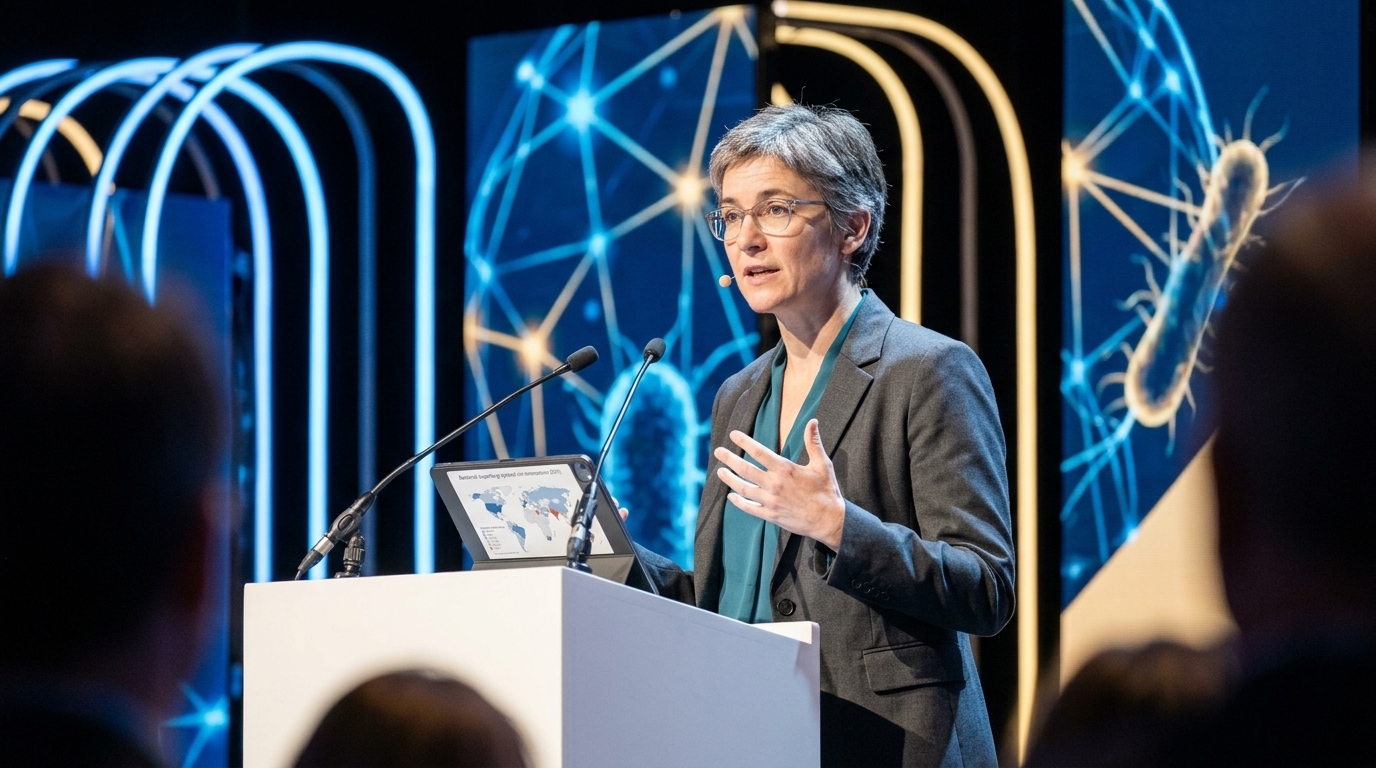
Humanity is facing a "silent pandemic" that threatens to return us to an era where a simple scratch or a routine infection could prove fatal. Antimicrobial resistance (AMR) is already claiming millions of lives annually as bacteria evolve faster than our ability to develop new antibiotics. However, at the WIRED Health 2026 conference, distinguished British surgeon and professor Ara Darzi presented an optimistic, albeit cautious, outlook: Artificial Intelligence (AI) is not just a tool, but our last hope to win this race against time.
Diagnosis at the Speed of Light
One of the primary challenges in treating infections today is the delay in diagnosis. When a patient is admitted to a hospital with suspected sepsis, doctors are often forced to administer broad-spectrum antibiotics "blindly" while waiting 48 to 72 hours for culture results. This practice is not only ineffective if the microbe is resistant but further fuels the cycle of resistance. AI is shifting this paradigm. By analyzing genomic data and utilizing advanced sensors, AI systems can now identify a specific pathogen and its resistance profile within minutes. Darzi emphasized that AI's ability to process vast amounts of clinical data allows clinicians to select the right drug from the very first moment, curbing the use of unnecessary drugs and saving lives that would otherwise be lost during the waiting period.
Drug Discovery: From Decades to Days
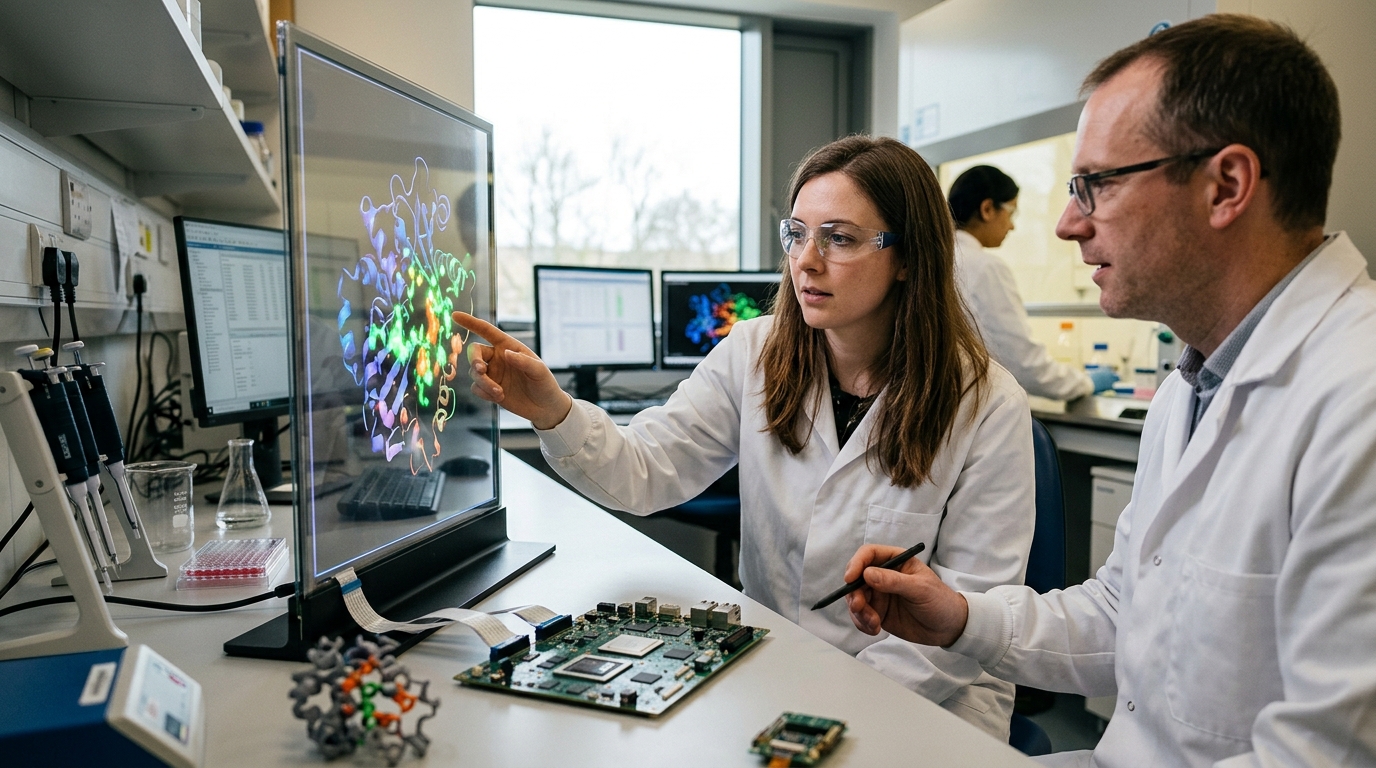
The traditional antibiotic discovery process is slow, expensive, and fraught with failure. For decades, no new class of antibiotics had reached the market until AI began scanning chemical libraries with unprecedented velocity. Using deep learning models, researchers can now predict which chemical compounds will be effective against specific bacteria while remaining safe for human consumption. The discovery of Halicin, an antibiotic found via AI that proved effective against Acinetobacter baumannii, is just the beginning. AI doesn't just find new drugs; it uncovers mechanisms of action that human intuition would take decades to conceive. This acceleration is critical, as the biological evolution of microbes does not wait for the bureaucratic processes of laboratory research.
The Economic Paradox and Market Failure
Despite technological progress, Darzi pointed to the crux of the issue: the problem is not just scientific, but deeply economic. Antibiotics represent a "bad investment" for major pharmaceutical companies. Unlike drugs for chronic conditions, antibiotics are taken for short durations, and more importantly, new, potent drugs must be kept as a "last resort" to prevent resistance from developing. This translates to low sales volumes. Without new incentives, such as the "Netflix model" being trialed in the UK (where the state pays a fixed subscription for access to antibiotics regardless of the quantity used), AI innovations risk remaining confined to laboratories. Technology can solve the discovery problem, but political will must solve the distribution problem.
A New Era of Surveillance
Finally, AI offers unique capabilities in the global surveillance of antimicrobial resistance. By analyzing data from hospitals, livestock farms, and wastewater in real-time, AI systems can detect the emergence of new resistant strains before they escalate into epidemics. This proactive approach allows for targeted quarantine measures or the adjustment of treatment protocols at a local level. The synergy of AI and biotechnology creates a new shield of protection, provided we understand that health is a global public good and not merely a marketable commodity. The challenge for 2026 and beyond is not whether AI can help, but whether we will allow it to do so by reshaping the incentive systems that currently keep innovation hostage to profit margins.