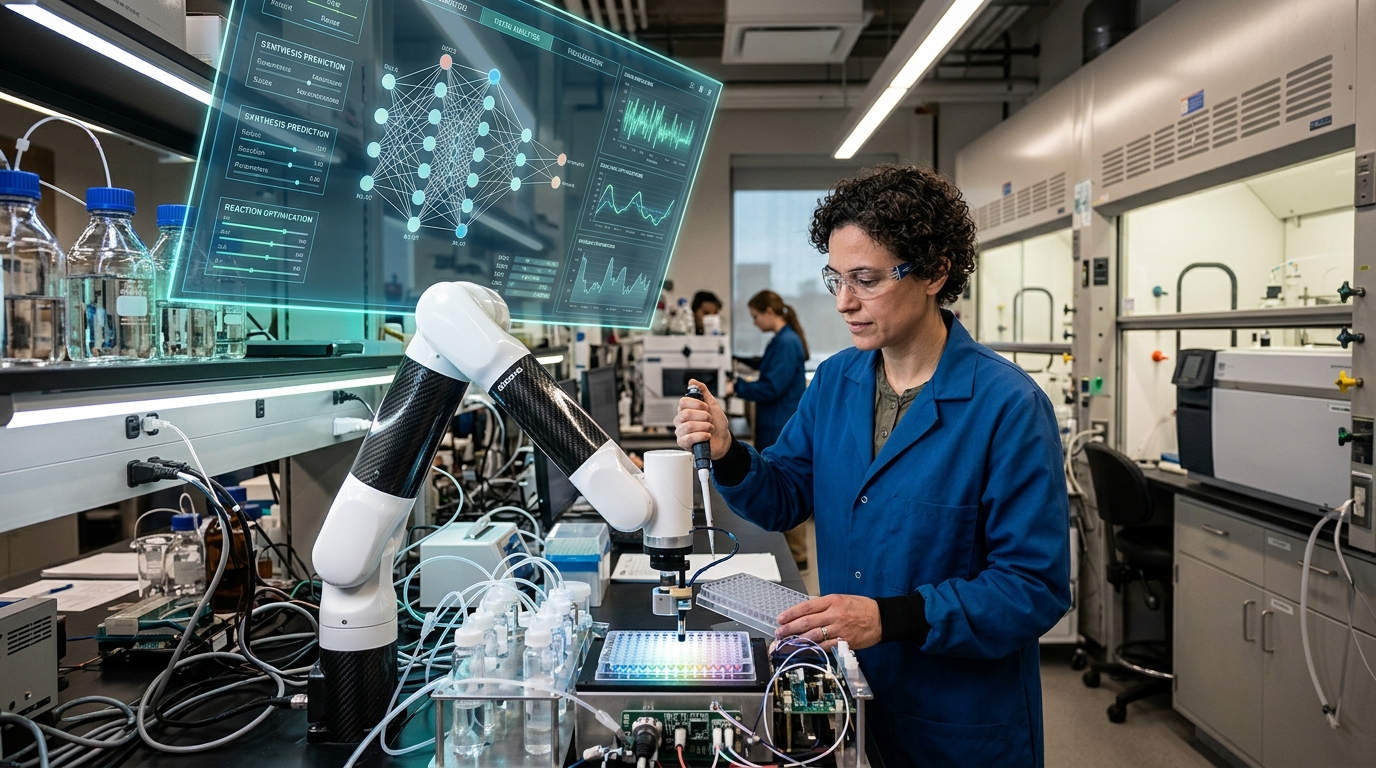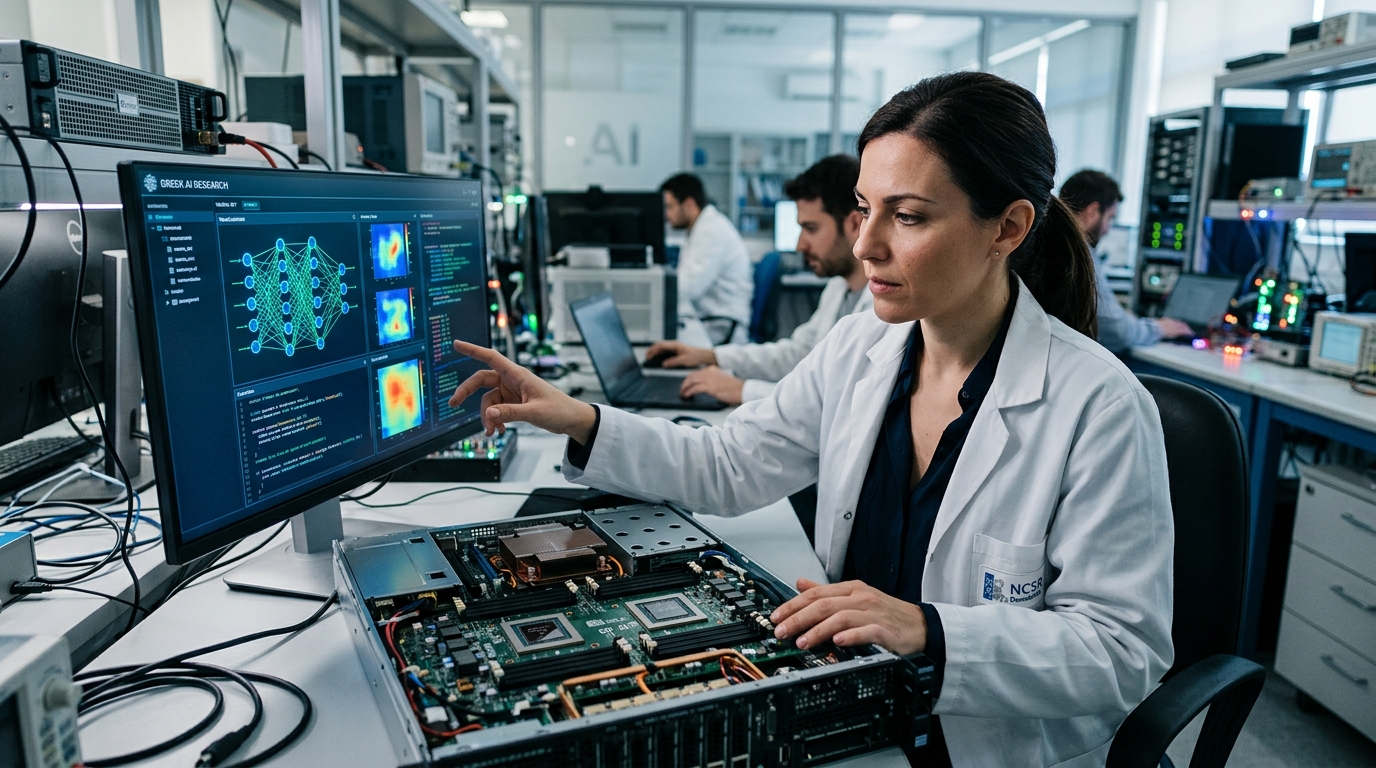
The news that Greece ranks fifth in the European Union for scientific publications and funding in Artificial Intelligence (AI) projects is not merely a statistical victory; it is the culmination of a silent revolution unfolding in Greek laboratories for decades. In an era where digital sovereignty is the new frontier of geopolitical competition, Greece appears to be "punching above its weight," proving that human capital remains its most potent asset.
Academic Excellence as a Catalyst
Securing the fifth position in Europe did not happen by chance. Recent data indicates that Greece exhibits a remarkable density of research output in fields such as machine learning, natural language processing, and computer vision. Institutions like NCSR "Demokritos," the "Athena" Research Center, FORTH in Crete, and the engineering departments of Athens, Thessaloniki, and Patras have fostered a critical mass of scientists who are prominent figures in international conferences.
The key to this success lies in outward orientation. Greek researchers have successfully built robust collaborative networks with top-tier international universities, actively participating in Horizon Europe consortia. This networking facilitates the influx of significant capital, which in turn funds new positions for young PhD candidates, partially stemming the tide of the "brain drain" that plagued the country over the last decade.
The Strategic Importance of Funding
When discussing "funding for AI projects," we primarily refer to competitive European grants. Greece has demonstrated an exceptional ability to absorb these resources, outperforming countries with significantly larger economies and infrastructures. This suggests high expertise in drafting and managing research proposals, as well as the inherent quality of the proposed research as judged by international peer reviewers.
- Enhancement of supercomputing infrastructure (e.g., the upcoming "Daedalus" supercomputer).
- Establishment of the "Archimedes" Unit for AI research.
- Public-private partnerships through Digital Innovation Hubs.
However, the challenge remains: translating this academic excellence into marketable products. While we rank fifth in publications, our standing in patent filings and the creation of AI "unicorns" (startups valued over $1 billion) remains lower. Bridging the gap between the lab and the market is the next major hurdle for the Greek economy.
Challenges and the Ecosystem's Future
Despite the enthusiasm, structural issues require attention. University bureaucracy often hampers the rapid absorption of funds, while the lack of domestic venture capital specializing in deep tech risks forces many Greek startups to relocate their headquarters abroad once they reach a growth stage.
"Greece must not rest on its laurels with a fifth-place ranking in research; it must aim for the top ten in application," market analysts suggest.
The National Strategy for AI, currently in development, aims precisely at that: unifying research efforts with the needs of industry and public administration. If we manage to utilize AI to solve problems in healthcare, energy, and shipping—sectors where Greece traditionally has a strong footprint—then the fifth place in publications will translate into real prosperity for its citizens.
Conclusion
This distinction is a badge of honor for Greek scientists who often work under adverse conditions. It highlights Greece as a formidable player on the global technology map and offers a unique opportunity to redefine the country's productive model. Artificial Intelligence is no longer a science fiction scenario but the daily reality of Greek research, and this fifth-place ranking is just the beginning.