In the heart of Atlanta, the Georgia Institute of Technology (Georgia Tech) is taking a decisive step toward the future of production by launching a sophisticated testbed for AI-driven manufacturing. This initiative is not merely a research lab; it is a bridge between academic innovation and the gritty reality of the factory floor, at a time when global supply chains are desperately seeking stability and efficiency.
The Convergence of Digital and Physical Realms
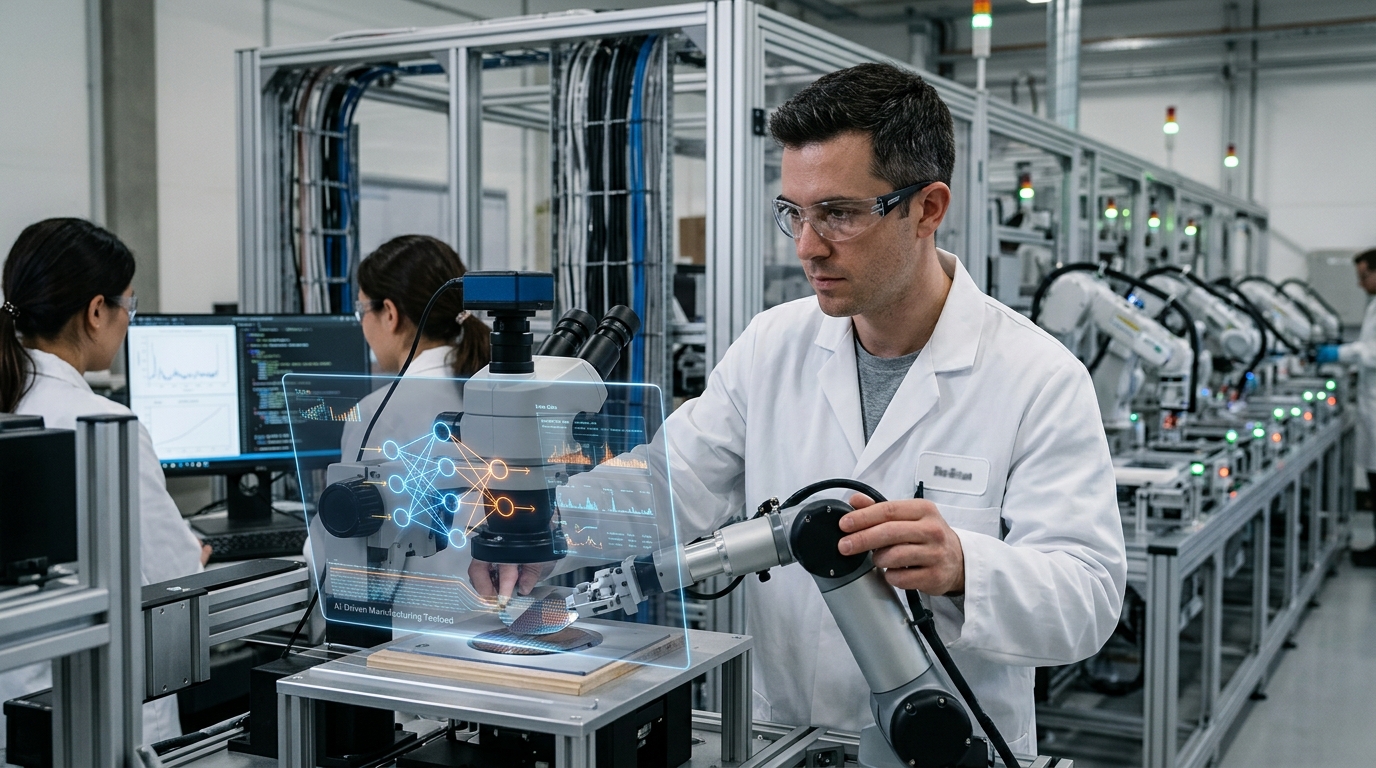
The new testbed focuses on integrating Generative AI and Digital Twins into the manufacturing process. Georgia Tech researchers are working on systems that can predict equipment failures before they occur, optimize energy consumption in real-time, and redesign parts for maximum durability with minimum material. The use of digital twins allows companies to simulate entire production lines in a virtual environment, testing "what-if" scenarios without risking the downtime of their physical facilities.
"Manufacturing doesn't just need more robots; it needs robots that can think, adapt, and collaborate with humans in an organic way," institute officials noted during the launch.
Economic Resilience and the Reshoring Phenomenon
This move by Georgia Tech arrives at a critical geopolitical juncture. The United States, much like the European Union, is striving to bring manufacturing back home (reshoring) to reduce dependence on foreign suppliers, particularly in Asia. However, high labor costs in the West make this return difficult without the aid of advanced automation. AI-driven manufacturing promises to balance these costs through extreme efficiency. The Georgia Tech testbed provides small and medium-sized enterprises (SMEs) with access to technologies that were previously the exclusive domain of Fortune 500 giants.
The Human Element and Workforce Evolution
One of the primary challenges the center addresses is human-machine interaction. Rather than full workforce replacement, Georgia Tech’s vision involves "Cobots" (collaborative robots) that augment a craftsman’s skills. AI takes over repetitive, dangerous, or mentally taxing data analysis tasks, allowing human workers to focus on quality oversight and strategic decision-making. This transition requires a radical overhaul of engineering education, a shift that Georgia Tech is already integrating into its curriculum.
Implications for the Global Market
The success of this venture will be judged by its ability to transfer technology from the controlled environment of the lab to the messiness of the real world. If Georgia Tech can prove that AI can reduce manufacturing errors by 30% or 40%, we will see a massive influx of capital into similar infrastructures worldwide. For regions looking to revitalize their industrial sectors, this model highlights the necessity of closer cooperation between technical universities and industrial zones to ensure innovation doesn't remain locked in academic journals.