The traditional image of a medical center—waiting rooms filled with outdated magazines, the friction of bureaucratic paperwork, and an overworked physician rushing through a ten-minute slot—is being systematically dismantled in Texas. A new, lavishly funded ‘AI-native’ medical center is emerging, representing a radical departure from the status quo. This is not merely a clinic using AI as a tool; it is a facility built from the ground up with Artificial Intelligence as its foundational architecture, its central nervous system. With funding levels that rival major tech startups and a philosophy that leans more toward Silicon Valley disruption than traditional clinical practice, this venture raises a fundamental question: Is this the future of global healthcare, or a high-tech enclave for the elite?
The Architecture of an Autonomous Clinic
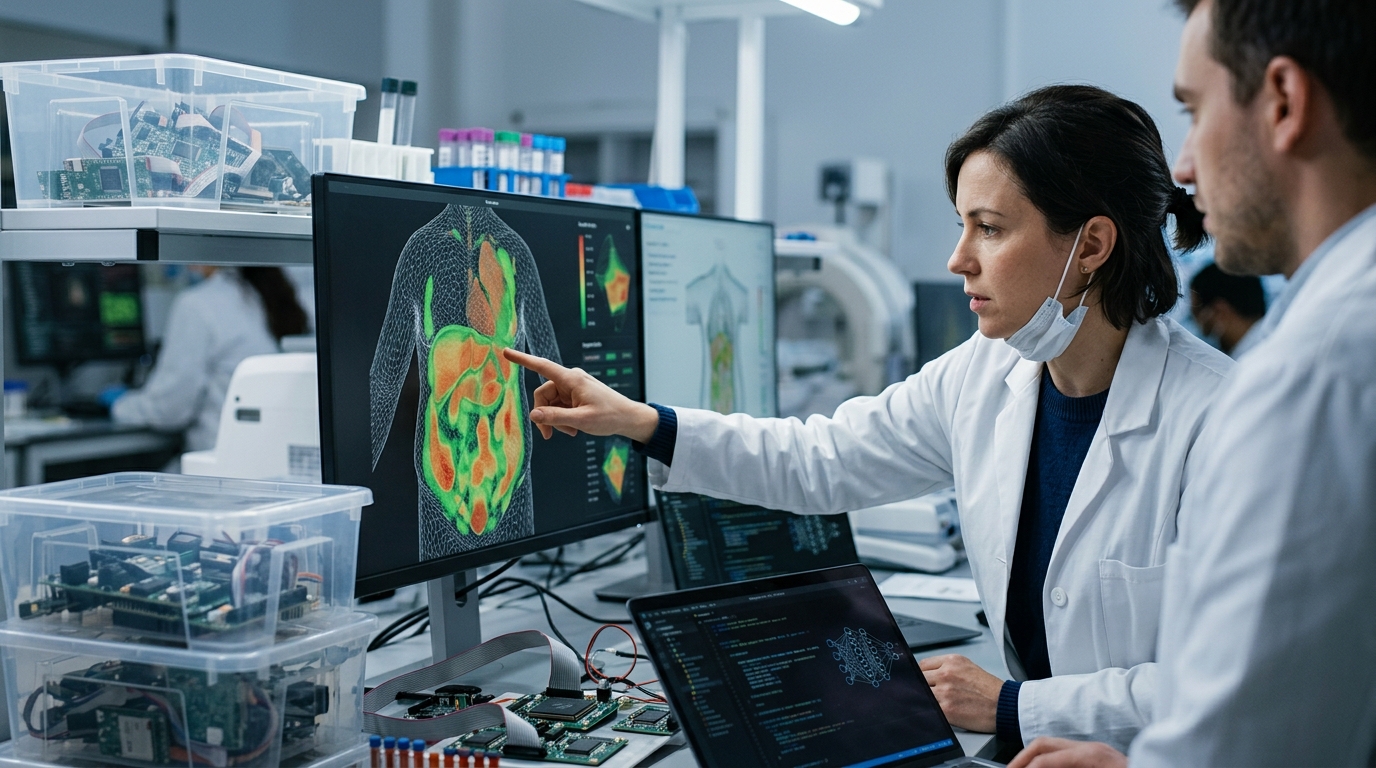
Unlike legacy hospitals that struggle to integrate AI into antiquated IT infrastructures, this new center in Texas operates on a 'closed-loop' model. From the moment a patient crosses the threshold, the environment is responsive. State-of-the-art sensors, computer vision arrays, and ambient clinical intelligence systems track every movement and interaction. Natural Language Processing (NLP) models transcribe consultations in real-time, extracting clinical insights and populating electronic health records without the doctor ever touching a keyboard.
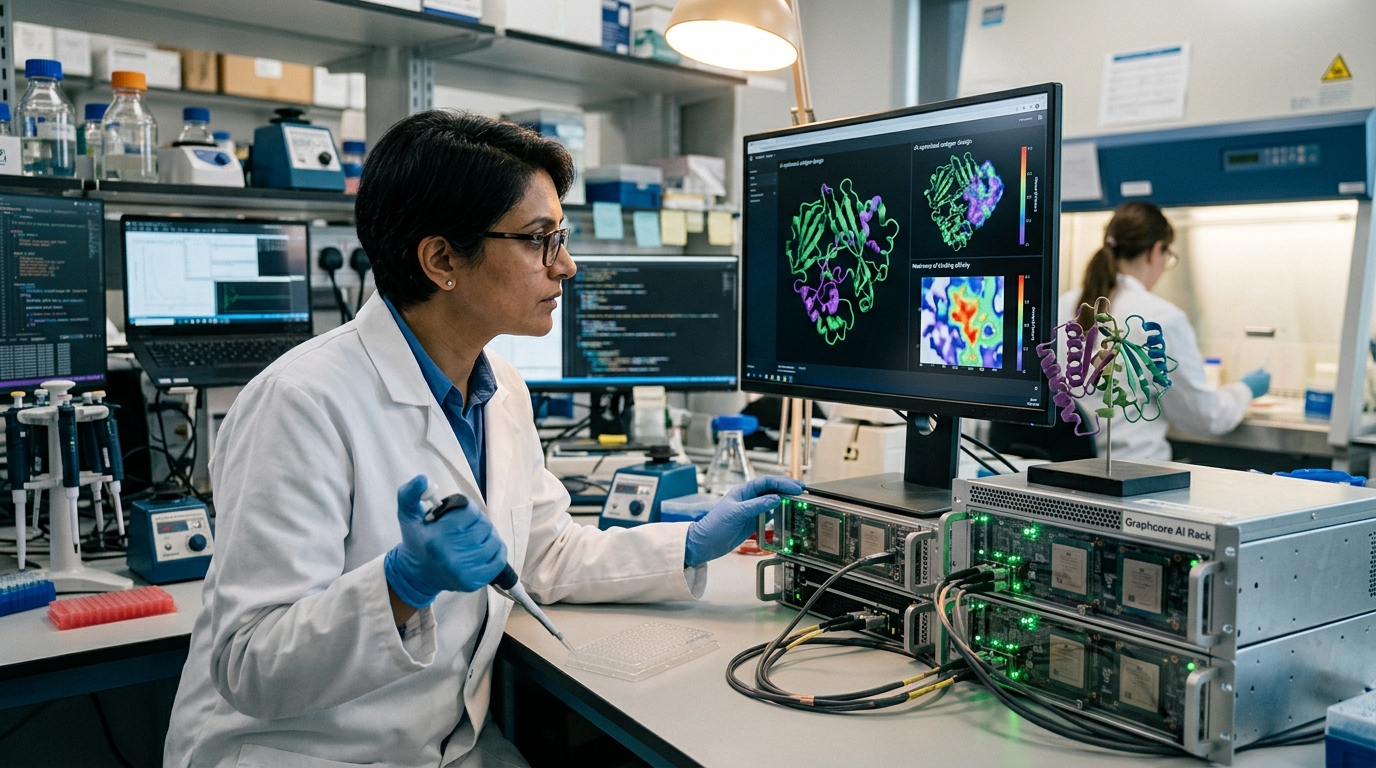
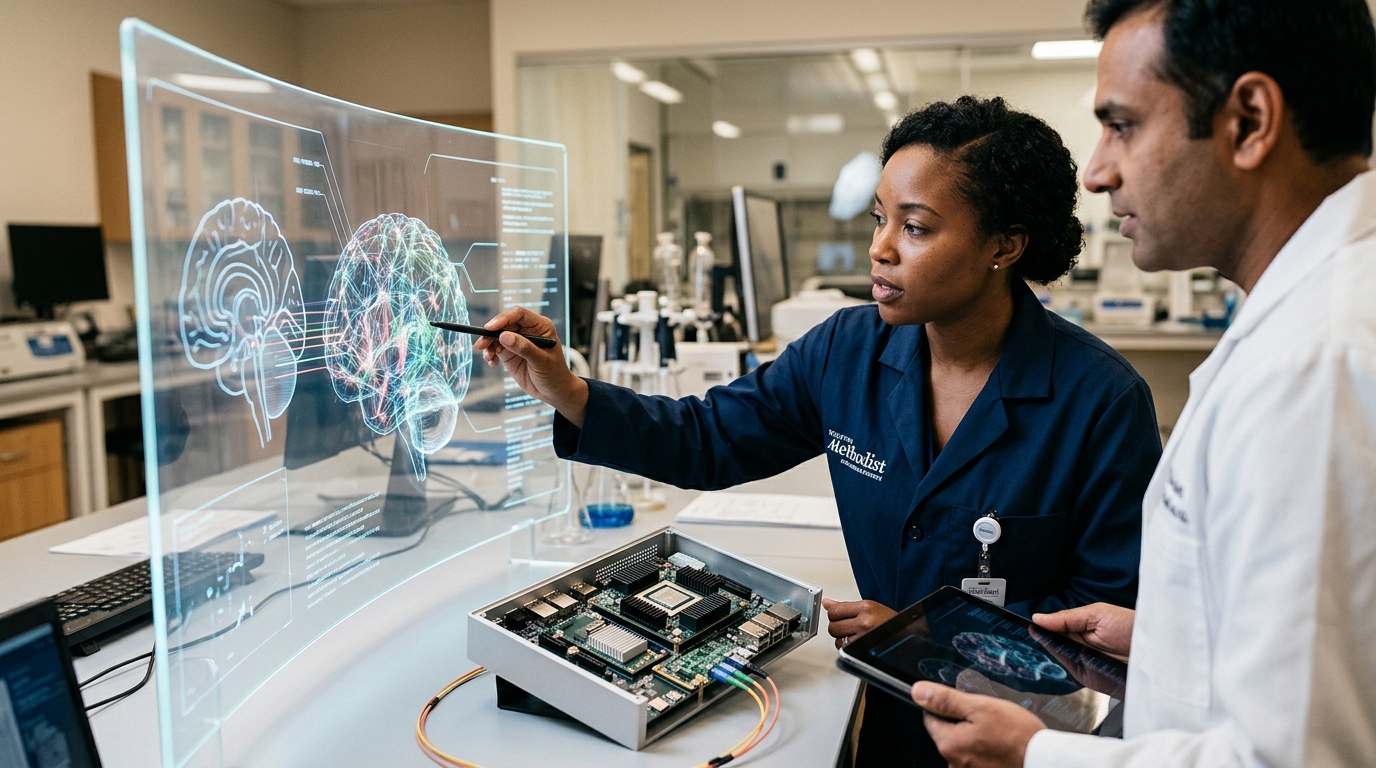
At the core of the operation is a proprietary AI 'brain' that synthesizes patient data—genetic markers, lifestyle metrics from wearables, and real-time diagnostic results—against the backdrop of the entire body of global medical research. This allows the medical staff, who are fewer in number but highly specialized in data interpretation, to make decisions based on statistical probabilities and pattern recognition far beyond human capacity. Being 'AI-native' means the elimination of administrative friction, theoretically allowing the clinical team to focus entirely on the patient rather than the process.
Texas: The New Frontier for HealthTech Capital
It is no coincidence that this project is taking root in the Lone Star State. With the Texas Medical Center in Houston already serving as the world’s largest medical complex, Texas offers a unique confluence of regulatory flexibility, massive private capital, and a burgeoning tech talent pool migrating from the coasts. The 'lavish funding' highlighted by industry analysts comes from top-tier venture capital firms who view healthcare as the next multi-trillion-dollar frontier for AI, following the generative AI boom.
- Hundreds of millions in VC funding aimed at disrupting the primary care model.
- Strategic partnerships with academic institutions to validate algorithmic accuracy.
- A focus on 'proactive' rather than 'reactive' care through continuous data streams.
- Subscription-based financial models that bypass traditional insurance hurdles.
However, this influx of capital brings its own set of complications. While the technology promises to eventually drive down costs through efficiency and early intervention, the initial price of entry positions these centers as luxury products. Critics argue that such 'islands of excellence' could exacerbate the existing healthcare divide, creating a two-tiered system where the wealthy enjoy AI-optimized longevity while the rest of the population relies on an overburdened, analog infrastructure.
Ethical Quandaries and the Human Element
The greatest gamble of the AI-native model lies in the preservation of the human touch. In an environment where an algorithm performs the diagnosis and suggests the treatment plan, what becomes of the physician's role? Proponents argue that by stripping away the 'scut work' of charting and coding, AI returns the doctor to the patient's side. Conversely, skeptics fear a 'MacDonaldization' of medicine, where patients are treated as data points to be optimized rather than individuals with complex emotional needs.
“AI will not replace physicians, but physicians who use AI will replace those who don’t. In Texas, we are seeing this prediction manifest in its most extreme, well-capitalized form.”
Data security also looms large. A facility that records everything—from a patient's gait to the micro-expressions on their face—is a goldmine for clinical insight but a nightmare for privacy if breached. Ensuring that this granular data is used solely for healing, and not for 'risk adjustment' by insurers or surveillance by third parties, is a challenge that current legal frameworks are ill-equipped to handle.
Conclusion: A Blueprint for the 2030s
The AI-native medical center in Texas is more than a local curiosity; it is a prototype for the next decade of global health. As populations age and healthcare systems worldwide face a chronic shortage of personnel, automation is no longer an option—it is a necessity. The Texas experiment will serve as a bellwether for whether AI can truly deliver on its promise of better outcomes at lower costs, or if it will simply become the ultimate luxury good in an increasingly unequal world. The data is being collected, the sensors are active, and the world is watching.