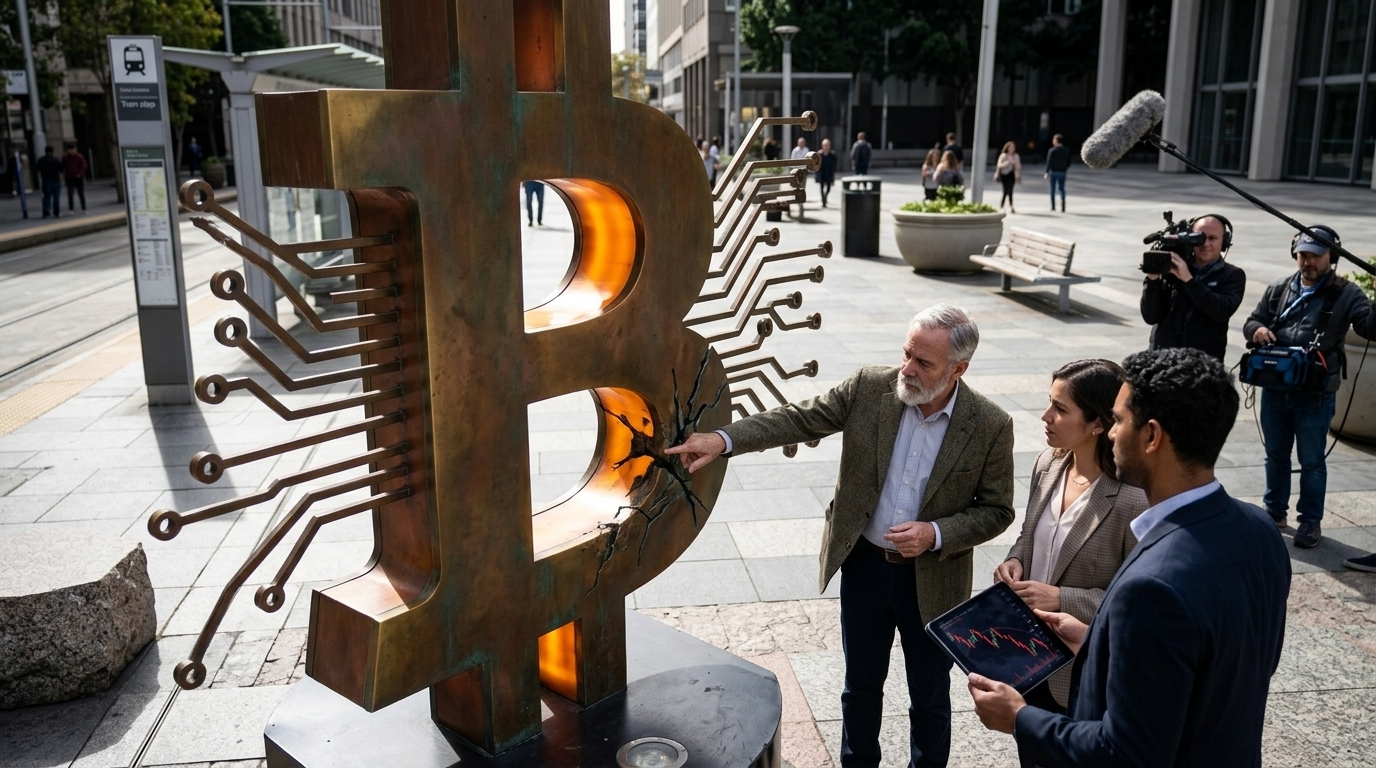
Cybersecurity is at a critical crossroads as the advent of Large Language Models (LLMs) like GPT-4 and advanced iterations of Claude (often referred to in research circles as 'Mythos' due to their benchmark-shattering performance) upends the power balance between attackers and defenders. A recent, revelatory study from researchers at the University of Illinois Urbana-Champaign (UIUC) has brought to light a terrifying reality: Artificial Intelligence is no longer just a coding assistant, but an autonomous agent of digital intrusion.
The Asymmetric Threat of 'One-Day' Vulnerabilities
The study focused on so-called 'one-day' vulnerabilities—security flaws that have been made public but for which many companies have not yet implemented the necessary fixes (patches). The results were staggering. When GPT-4 was fed the description of a Common Vulnerability and Exposure (CVE), it managed to autonomously exploit it in 87% of cases. Without the description, the success rate dropped to 7%, highlighting that the knowledge freely available on the internet serves as the 'fuel' for AI-driven offensive action.
This finding shatters the argument that AI lacks 'creativity' in hacking. It doesn't need to be creative when corporate bureaucracy gives it all the time it needs. While an AI model can analyze a vulnerability and generate an exploit in seconds, the average time an enterprise takes to apply a critical patch ranges from 30 to 60 days, often exceeding six months in complex environments.
The Trap of Corporate Slowness
Why are enterprises so slow? The answer lies in the complexity of modern information systems. Applying a patch is not a simple 'update' process. It requires testing in staging environments to ensure the fix doesn't 'break' other critical business functions. This process involves multiple layers of approval, from systems administrators to Chief Information Security Officers (CISOs) and compliance teams.
However, in the era of Claude Mythos, this cautious approach turns into a deadly trap. Attackers are now using LLM agents operating with ReAct (Reasoning and Acting) frameworks, allowing them to navigate terminals, read log files, and adjust their strategy in real-time. Traditional defense, relying on manual processes and weekly meetings, is akin to trying to intercept a hypersonic missile with a butterfly net.
The Necessity of AI-Native Defense
The solution cannot be anything other than the adoption of AI within the defense itself. Enterprises must move from the 'patch management' model to an 'automated cyber resilience' model. This means using AI agents capable of identifying vulnerabilities, automatically generating patches, and testing them in isolated environments within minutes of a CVE being published.
- Automated code analysis to identify points affected by new CVEs.
- Using AI for daily simulated attacks (red teaming).
- Integrating LLMs into Incident Response procedures for faster decision-making.
The dilemma now posed is both ethical and political: Should we continue to publish detailed CVE descriptions? Some researchers argue that transparency helps attackers more than defenders in the AI era. However, hiding information contradicts the principles of open-source software and collective security. The real challenge is not silence, but speed.
"Artificial Intelligence did not invent insecurity; it simply exposed the slowness of human reaction," the study notes.
In conclusion, the case of Claude Mythos and the capabilities of GPT-4 serves as a warning to any organization that views cybersecurity as a secondary, operational issue. Patching speed is no longer a technical detail but a survival metric in the 21st century. If enterprises do not adapt to AI realities, they will find themselves defending a war that has already been decided before they even began.