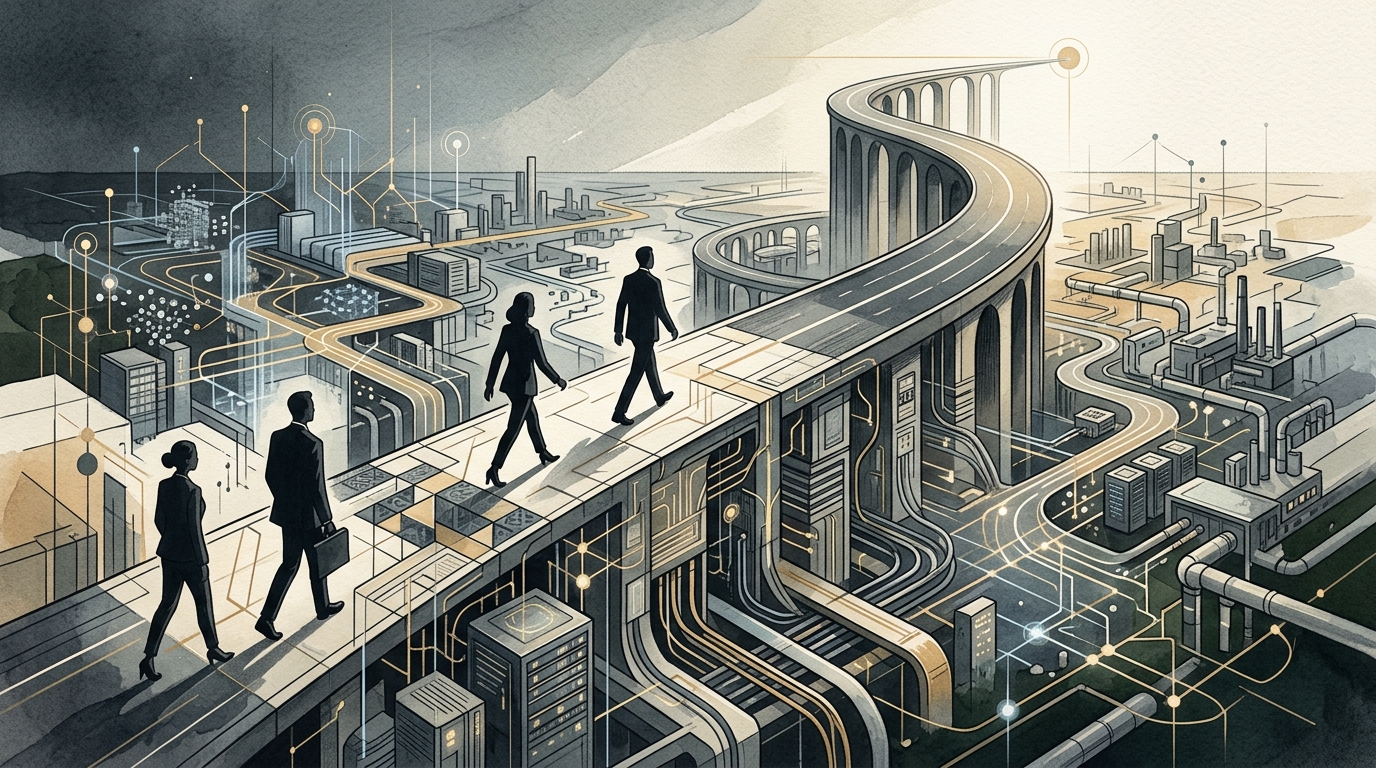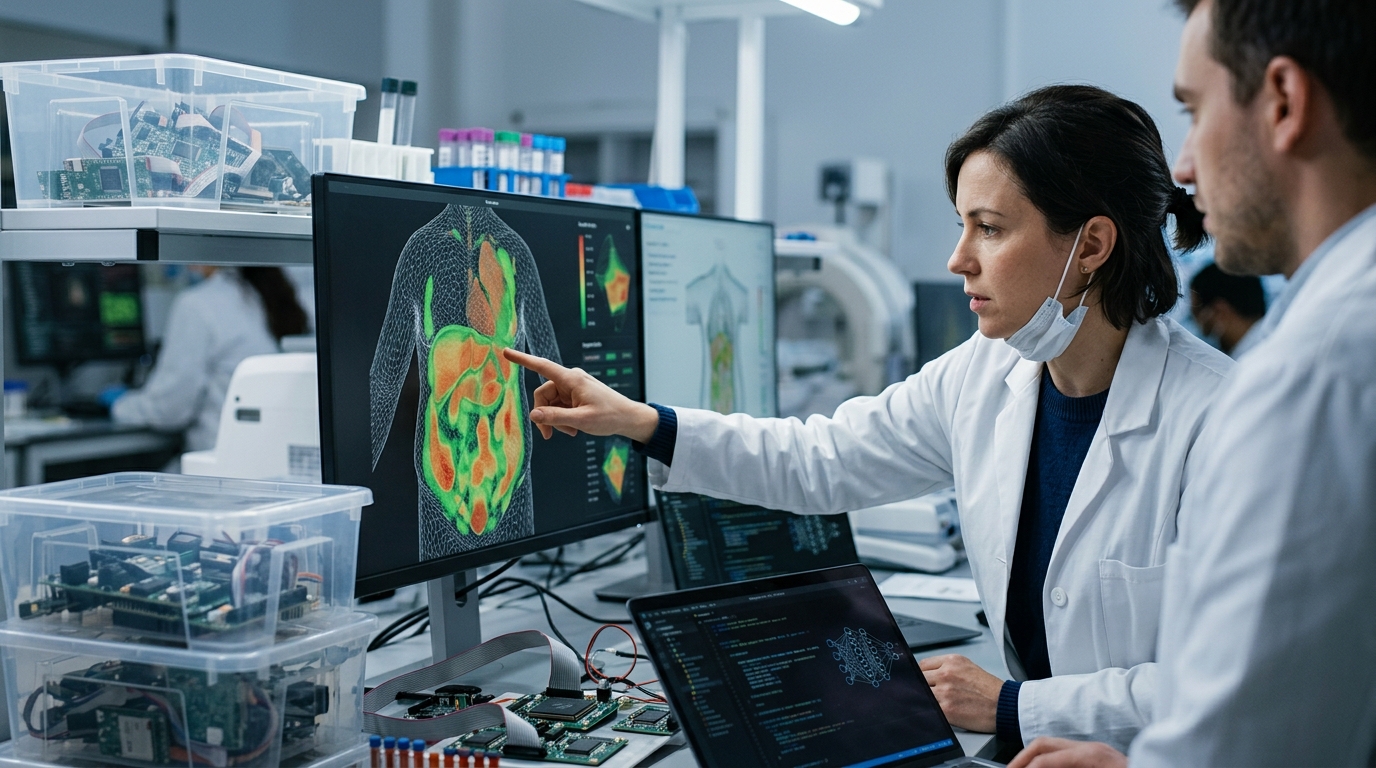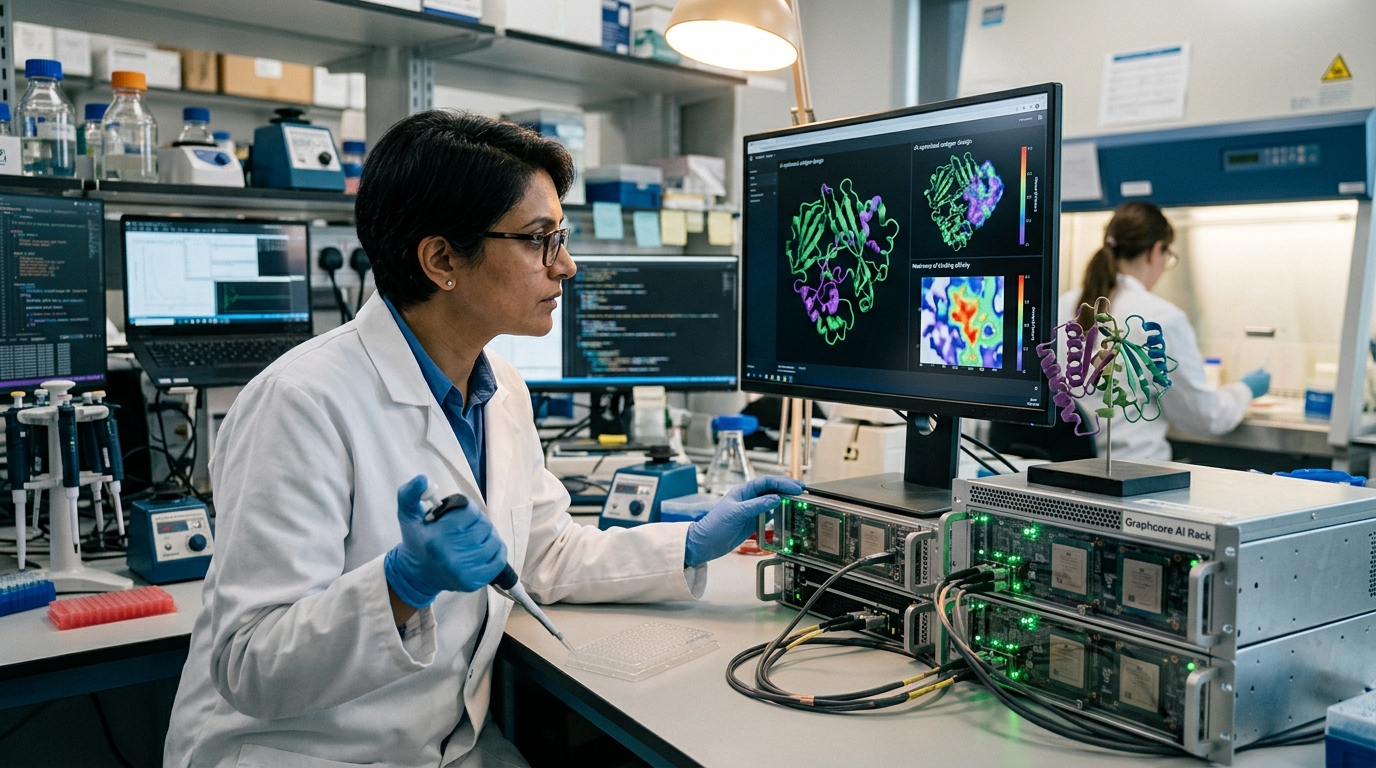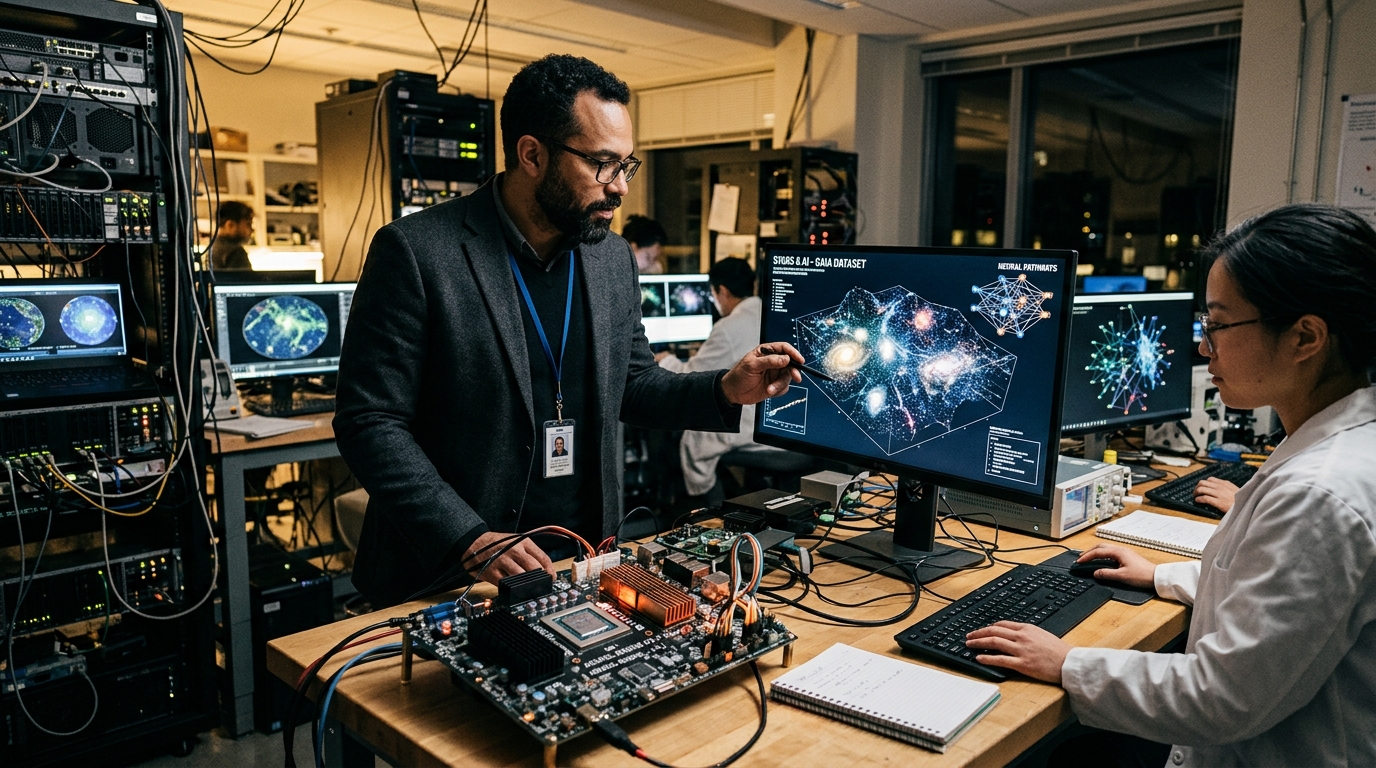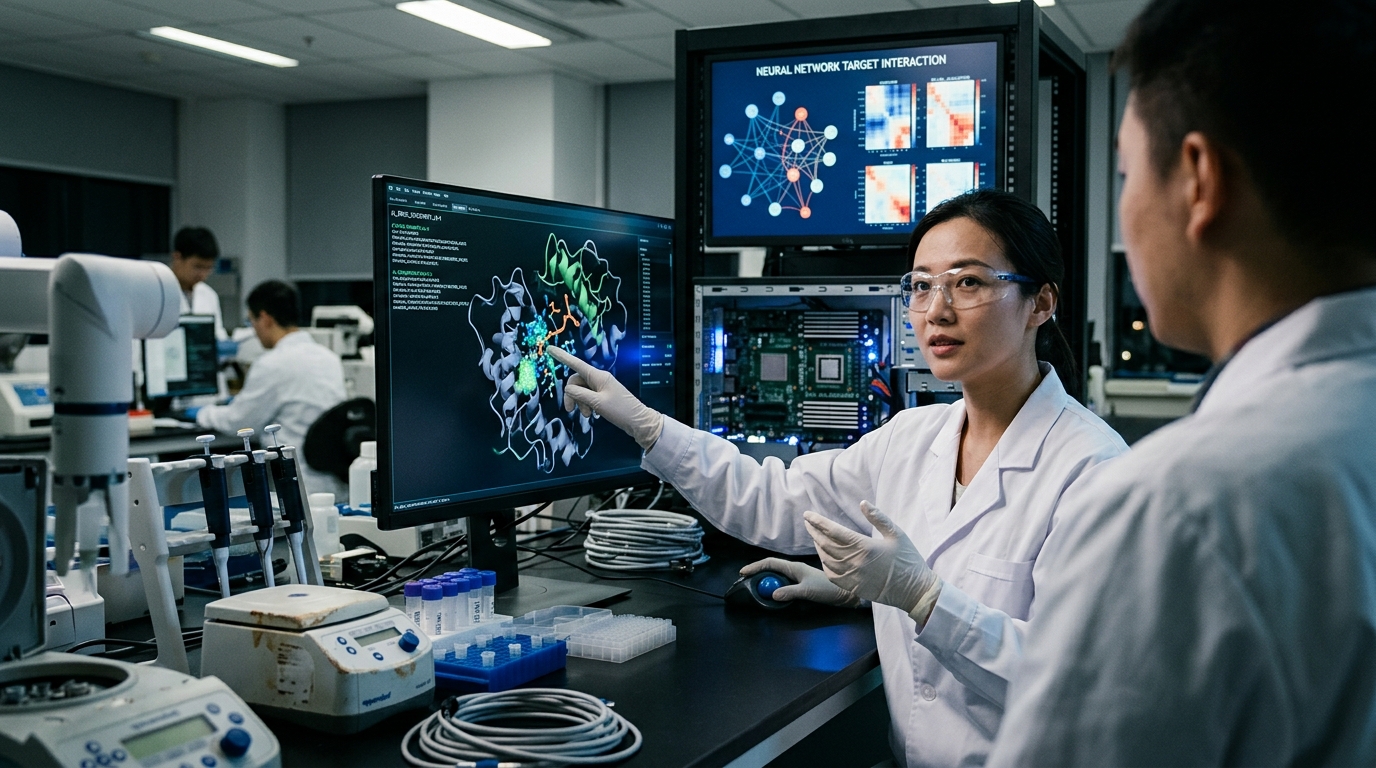
In the popular imagination, ByteDance is synonymous with the algorithms that keep millions of users hooked on short-form videos on TikTok. However, behind the entertainment facade, the Chinese giant is quietly building one of the world's most sophisticated AI platforms for an entirely different purpose: decoding the secrets of life. News that ByteDance is ramping up its 'AI for Science' (AI4S) teams marks a critical turning point in the global biotechnology race.
The Transition from Bits to Molecules
ByteDance's strategy is not merely an attempt to diversify revenue. It is a recognition that the same principles allowing an AI model to predict which video you'd like to watch next can be applied to predicting protein structures or the interactions between chemical compounds. The company’s AI Lab has developed models such as MegaProtein and GenBio-1, which utilize Transformer architectures—the same technology powering ChatGPT—to 'read' amino acid sequences as if they were a language.
Traditional drug discovery is a process requiring billions of dollars and often over a decade of research, with failure rates reaching 90%. AI promises to compress this timeline into months, allowing scientists to simulate millions of scenarios in a digital environment before ever stepping foot in a laboratory. ByteDance enters this space with the advantage of massive computational power and a unique ability to manage large-scale data sets.
Competing with Silicon Valley
This move places ByteDance in direct competition with Google DeepMind (creator of AlphaFold) and Meta (creator of ESMFold). While Google's AlphaFold solved the protein structure prediction problem, ByteDance is focusing on practical application: designing new molecules that can target specific diseases. According to sources close to the company, hiring experts in bioinformatics and chemoinformatics in cities like Shanghai, Beijing, and New York indicates a global ambition.
However, the entry of a Chinese tech company into such a sensitive field is not without challenges. Access to biological data and intellectual property in drug development are issues at the heart of geopolitical tensions between the US and China. Despite ByteDance's efforts to separate AI Lab activities from TikTok, Western regulators are closely monitoring whether health data or scientific breakthroughs could be used for purposes beyond healthcare.
The Future of 'Tech-Bio'
The convergence of technology and biology, known as Tech-Bio, represents the new frontier of innovation. For ByteDance, success in this field would mean transforming from a social media company into a scientific powerhouse. Already, the company has begun publishing research papers showing that its models can outperform existing benchmarks in predicting protein-ligand binding, a critical process for creating effective drugs.
- Acceleration: Reducing research time for rare diseases.
- Cost: Drastically lowering R&D expenditures for pharmaceutical companies.
- Personalization: The ability to design drugs tailored to a patient's genetic profile.
In conclusion, ByteDance's involvement in drug discovery is a reminder that AI knows no boundaries between industries. While the world focuses on the future of TikTok in the US, ByteDance may already be building the tools that will cure the next generation. The challenge will be to convince the global community that its intentions are purely scientific and that its algorithms can inspire trust in laboratories just as they do on mobile screens.