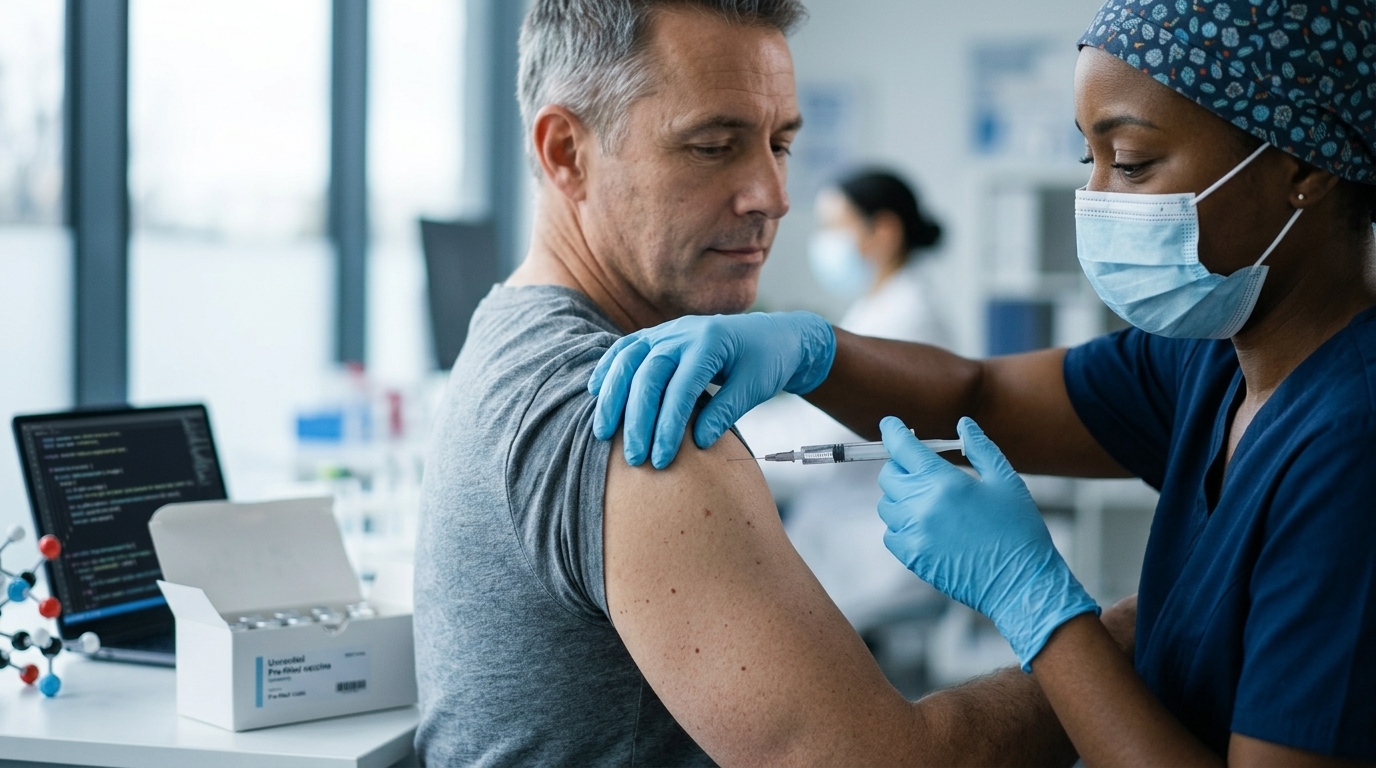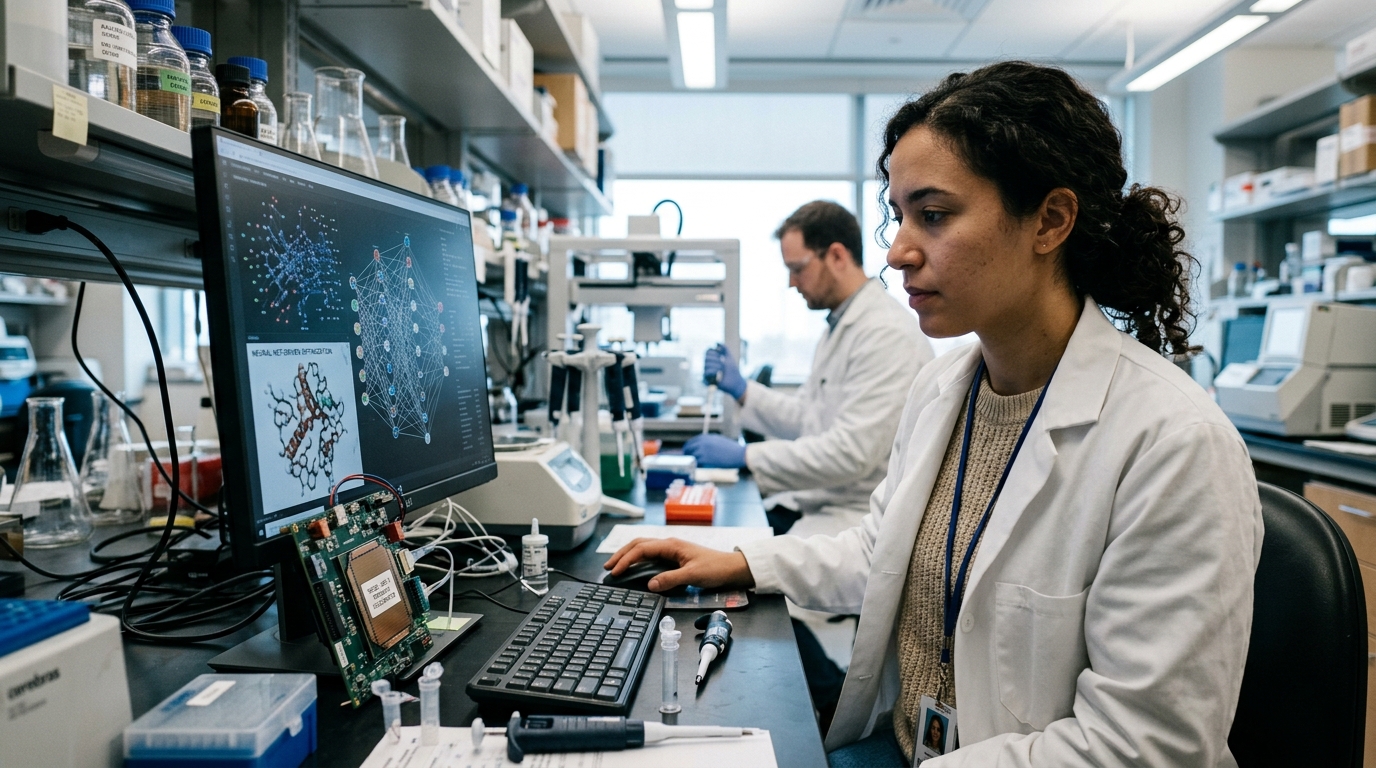
In a move that solidifies Thessaloniki's transformation into a dynamic innovation ecosystem for Southeast Europe, the Aristotle University of Thessaloniki (AUTH) and Pfizer have signed a Memorandum of Understanding (MoU). The ceremony took place during the Aristotle Innovation Forum, with Rector Kyriakos Anastasiadis and Dr. Ioannis Pandis, a leading executive at Pfizer, laying the groundwork for a multi-level partnership that extends far beyond the boundaries of a typical academic collaboration.
The Architecture of the Agreement: From Theory to Practice
This partnership is not an isolated event but the culmination of a gradual rapprochement that began with the establishment of Pfizer's Global Center for Digital Innovation (GCDI) in the city in 2020. The new MoU focuses on four central pillars: joint research and development (R&D), student education through specialized internships, technology transfer, and enhancing the employability of graduates in cutting-edge fields such as Artificial Intelligence, Data Analytics, and Bioinformatics.
According to AUTH Rector Mr. Anastasiadis, the university aims to act as a "bridge" connecting research excellence with the real economy. "This is not just a cooperation agreement; it is a strategic choice that gives our students access to technologies and methodologies used at the forefront of global science," he emphasized during his keynote speech.
Brain Gain: Reversing the Scientific Exodus
One of the most critical aspects of this partnership is its practical support for "brain gain." For decades, Greece exported its brightest scientific talent due to a lack of research opportunities within its borders. Pfizer's presence in Thessaloniki, combined with its direct link to AUTH, creates a local "magnet" that allows young scientists to remain in their country, working on world-class projects.
Pfizer has already demonstrated its commitment by employing hundreds of Greek scientists, many of whom returned from abroad. The new agreement provides for the creation of joint doctoral programs and the possibility of conducting applied research in AUTH laboratories with funding and guidance from Pfizer executives. This "triple helix" model (University - Industry - State) is internationally recognized as the most successful for developing knowledge-based economies.
Thessaloniki: The New Technological Crossroads
This strategic alliance puts Thessaloniki on the global map of smart cities. The city is no longer viewed solely as a tourist destination or a logistics hub, but as a "talent pool" attracting other tech giants. The AUTH-Pfizer collaboration serves as a "pilot" for future investments, proving that the Greek public university can be flexible, extroverted, and competitive.
- Creation of specialized laboratories within the campus.
- Mentoring programs from top Pfizer scientists.
- Organization of hackathons and innovation competitions.
- Data exchange to promote digital health initiatives.
However, the challenge remains bureaucratic acceleration. Despite steps forward, the connection between academia and the business world in Greece often hits hurdles from the past. The success of this venture will be judged by the speed of implementation of joint actions and AUTH's ability to integrate these experiences into its curriculum without compromising its public and research character.
Conclusions and Outlook
The signing of the MoU at the Aristotle Innovation Forum is not the end, but the beginning of a new era. Thessaloniki has the opportunity to lead the 4th Industrial Revolution in the region, turning academic knowledge into economic value and social benefit. The convergence of Pfizer and AUTH is the strongest message that Greece can produce high-level innovation, provided there are the right synergies and a vision for the future.