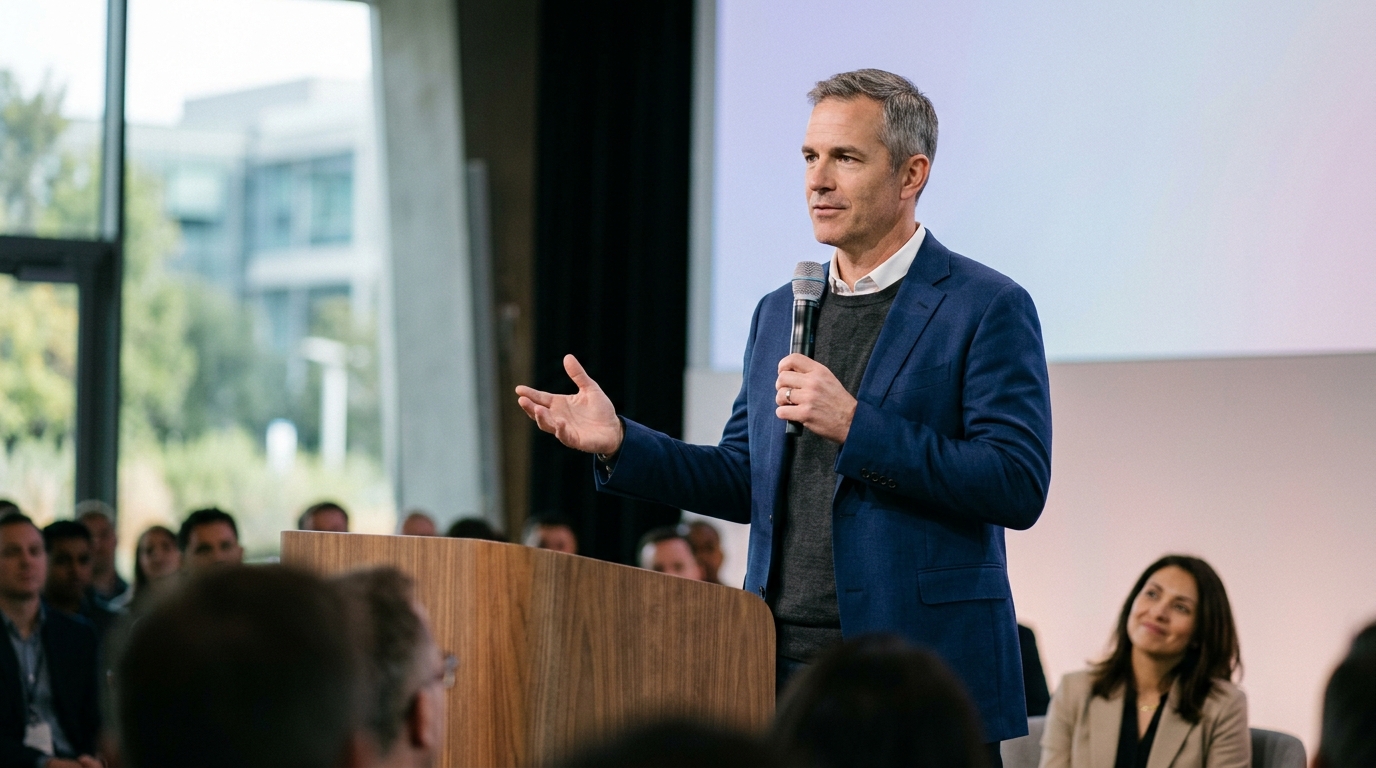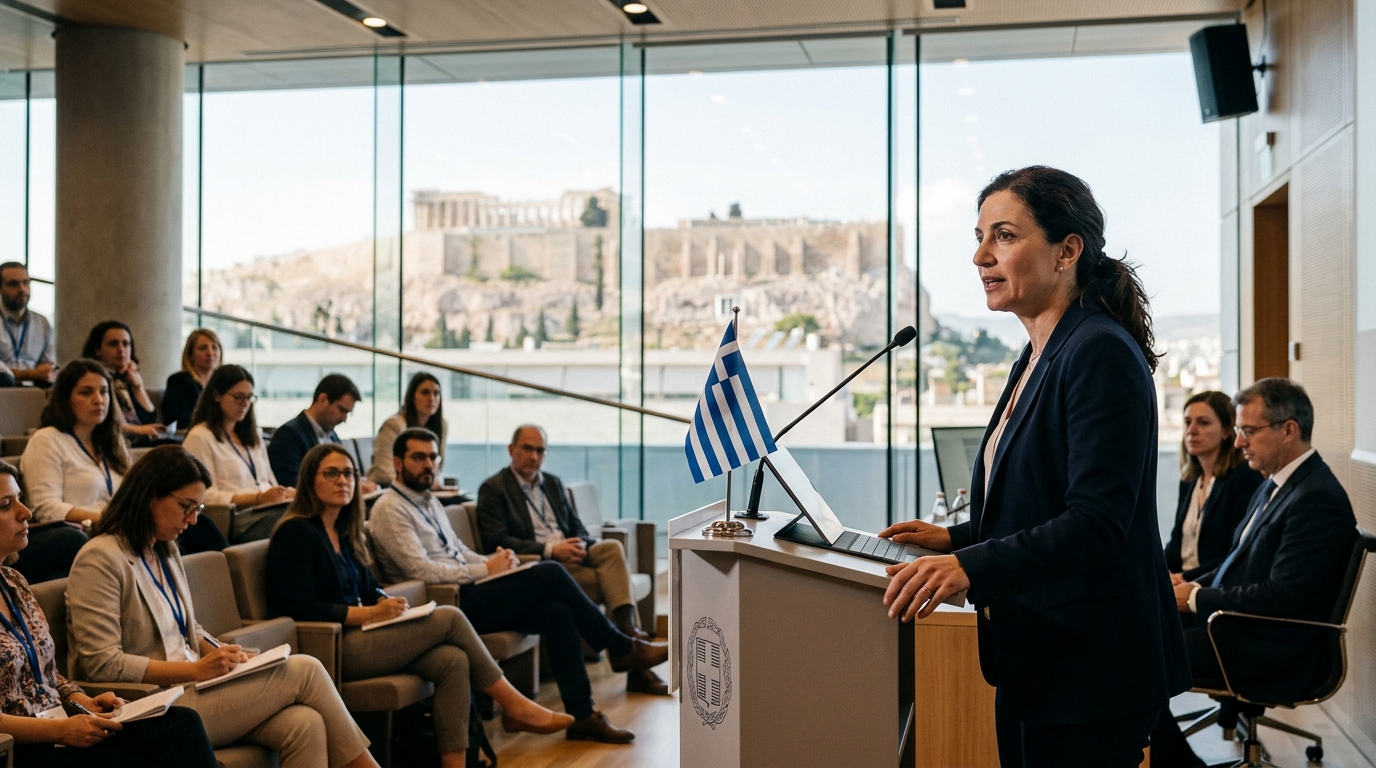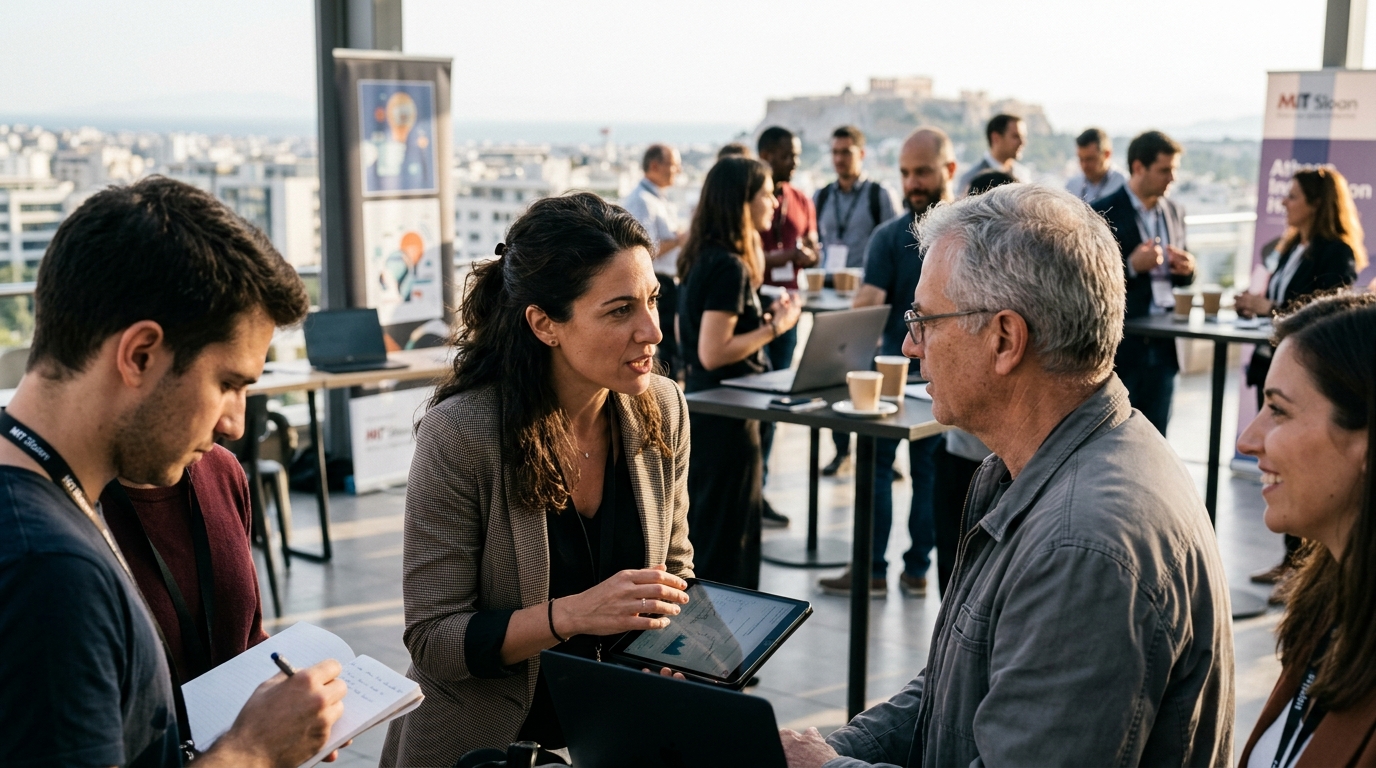
In a pivotal moment for the Greek economy, the General Assembly of the Hellenic Confederation of Commerce and Entrepreneurship (ESEE) in Pyrgos, Elis, served as the stage for a profound analysis of the sector's future. Stavros Kafounis, President of ESEE, sent a clear message: Greek commerce is not merely defending itself against crises but is moving towards an aggressive reorganization with a horizon set for 2030. This transition, however, is not without obstacles, as taxation, lack of liquidity, and the need for digital skills form a complex puzzle for small and medium-sized enterprises (SMEs).
Digital Transformation and the AI Helpdesk
One of the most innovative points of Mr. Kafounis's speech was the announcement of the creation of an "AI Helpdesk" by ESEE. The goal is to provide specialized assistance to member businesses so they can understand and implement Artificial Intelligence tools in their daily operations. AI is no longer considered a privilege of large multinational groups but a necessary tool for the survival of the local neighborhood shop. From inventory management to personalized customer service, AI can offer the competitive advantage that the Greek market needs.
The ESEE President emphasized that "doing business" in Greece must break away from traditional silos. The digital transition is not just about creating an e-shop; it is about the complete transformation of the consumer experience. Greek businesses are called to adopt the "phygital" model (physical + digital), combining the personal touch—which is the strong point of Greek commerce—with the speed and precision of digital media.
The Taxation Thorn and SME Viability
Despite the optimism regarding technological progress, Mr. Kafounis did not fail to address the burning issues of taxation. The criticism of the new tax system and the presumptive income measures was explicit. ESEE argues that horizontal measures unfairly impact businesses trying to grow legally and create a climate of uncertainty. The demand for a stable, fair, and predictable tax framework remains at the top of the list of demands.
Furthermore, access to financing remains an open wound. While the Recovery and Resilience Facility (RRF) offers immense opportunities, the majority of small businesses find it difficult to cross the threshold of banks. Mr. Kafounis called on the government and the banking system to find solutions that will allow liquidity to flow to the base of the economic pyramid, where the heart of employment and social cohesion beats.
The Strategy for 2030: Green Growth and Unity
Looking toward 2030, ESEE prioritizes the green transition. Commerce must reduce its energy footprint, not only for reasons of environmental responsibility but also to reduce operating costs. The energy upgrading of stores and the adoption of sustainable practices in the supply chain are the only way forward.
The choice of Pyrgos for the General Assembly also had a symbolic character. The Greek provinces are a critical factor for the country's balanced development. Mr. Kafounis underlined the need for unity within the commercial world. Through cooperation and collective action, merchants can influence developments and ensure that their voice is heard in the decision-making centers in Athens and Brussels. The message is clear: Greek commerce is changing, modernizing, and claiming its rightful place in the new digital era.