In the heart of Silicon Valley, a new narrative has taken hold: Artificial Intelligence is no longer just a tool for writing emails or generating images, but humanity's next great scientist. A recent analysis by MIT Technology Review highlights a critical turning point. Tech giants are increasingly using the promise of AI-enabled scientific discovery—from curing cancer to solving the climate crisis—as the ultimate moral justification for their existence. Yet, behind this hope lies a radical shift in how we understand the world.
From Copilots to Principal Investigators
Until recently, Large Language Models (LLMs) functioned as sophisticated assistants. They summarize literature, write code for simulations, and help draft scientific papers. However, 2026 finds the scientific community facing "AI agents" that are not limited to support but are proposing hypotheses, designing experiments, and interpreting data with minimal human intervention.
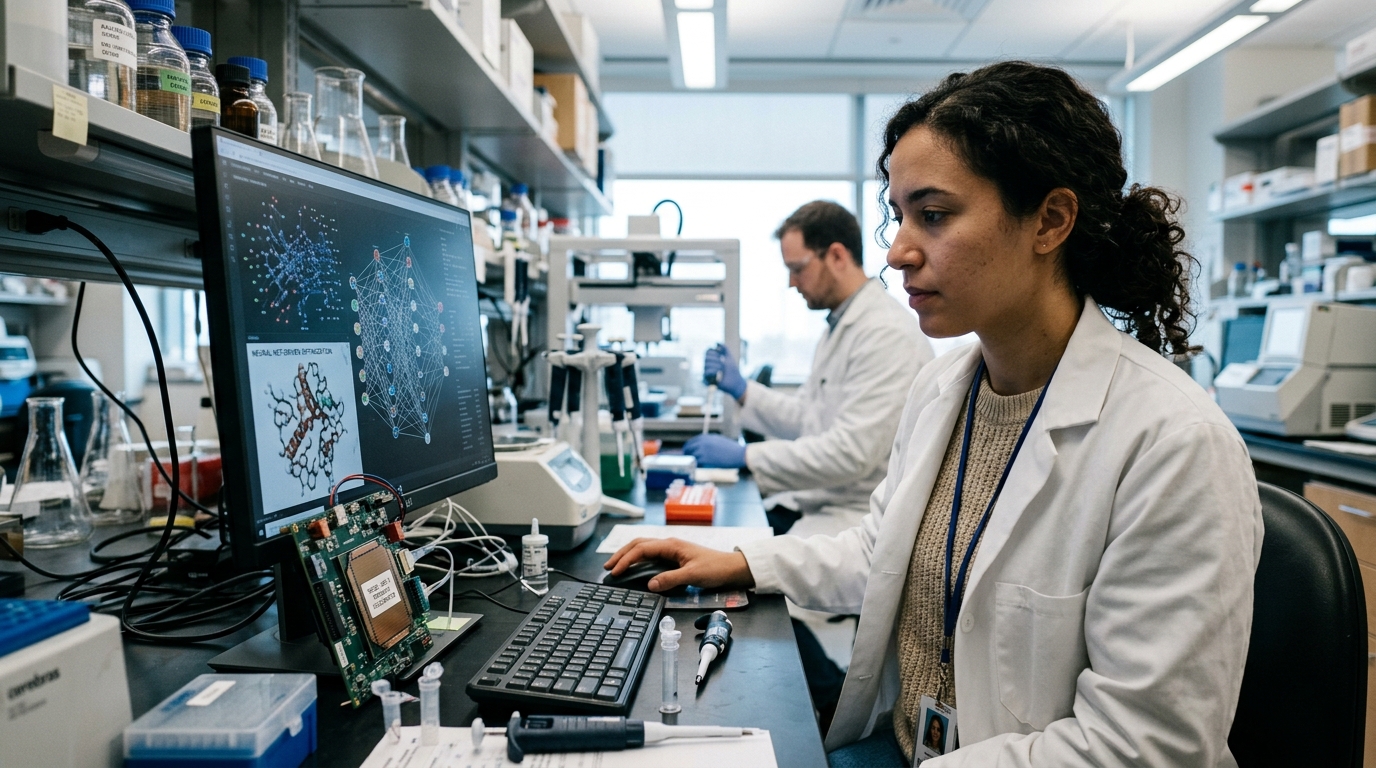
This transition is fueled by models like Google DeepMind’s AlphaFold 3 and GNoME, which have already mapped millions of protein structures and new materials that would have taken centuries to discover using traditional methods. These "artificial scientists" do not tire, lack bias toward specific theories, and can process billions of variables simultaneously. But the question remains: Does AI understand the physics behind the discovery, or is it merely predicting the next statistically likely outcome?
The Energy and Ethics Paradox
There is a dark side to this scientific utopia. Training and running these models require massive amounts of energy, contributing to the very climate change they are supposed to help solve. Critics argue that "scientific discovery" serves as a convenient smokescreen. If AI can find the vaccine for the next pandemic, then the electricity consumption of a small country and the flooding of the internet with "slop videos" are seen as acceptable collateral damage.
"Science has always been a human endeavor to understand the 'why'. AI risks turning it into a black box of 'what', where we get results without understanding the underlying process."
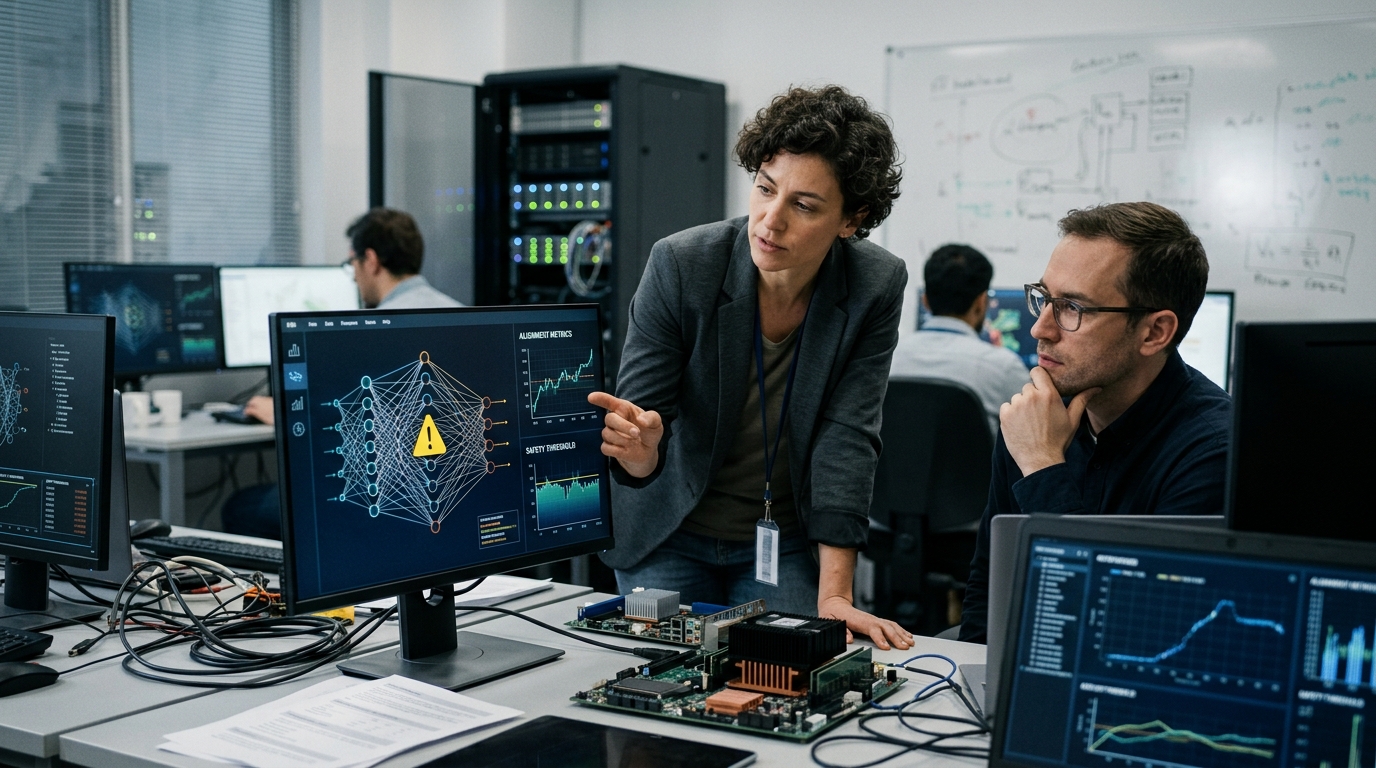
Furthermore, the automation of science raises serious security risks. The ability of a model to design new drugs is the same capability that could be used to create novel bioweapons. The balance between open science and protecting humanity is becoming more fragile than ever.
The Scientific Method in the Digital Age
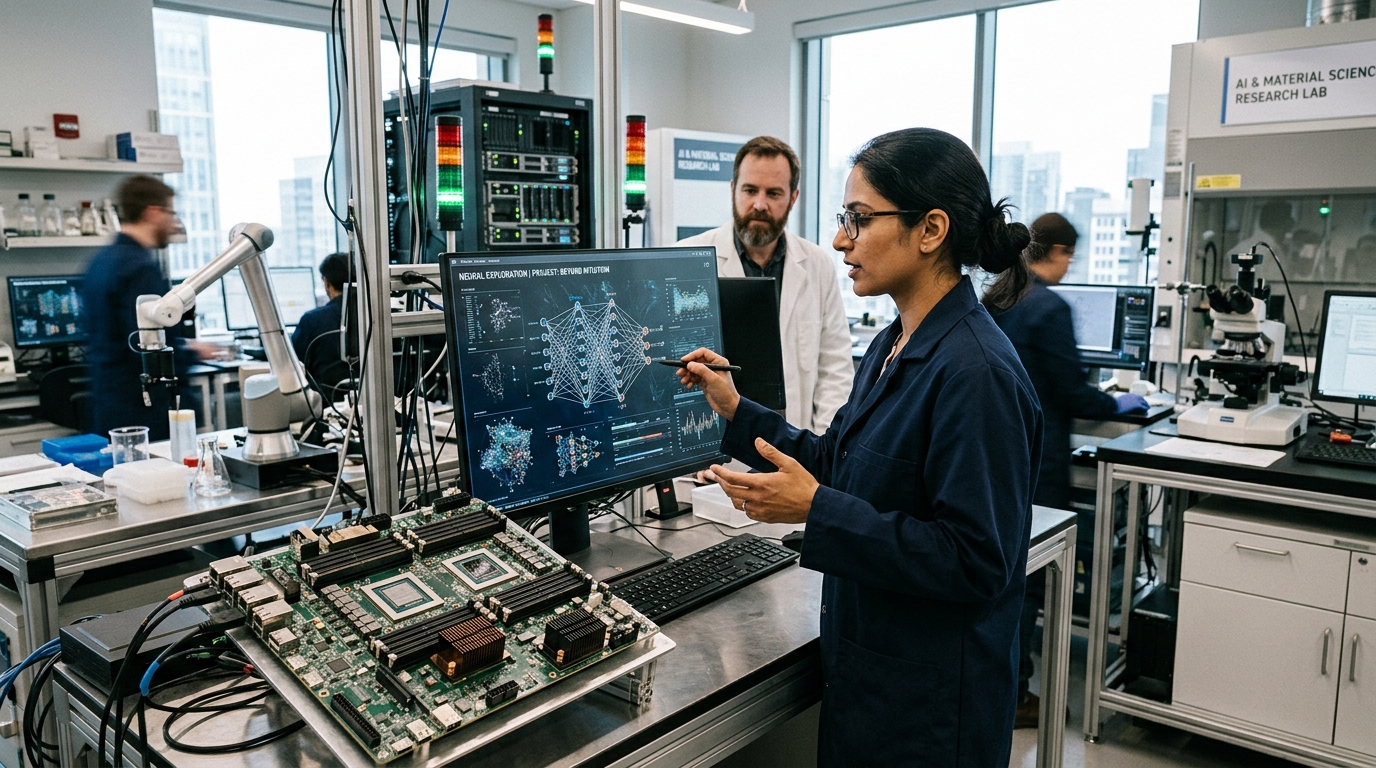
The traditional scientific method is based on observation, hypothesis, and verification. Artificial scientists accelerate this cycle to dizzying speeds. In "lights-out labs," robotic arms perform thousands of experiments a day, guided by algorithms that learn from every failure in real-time.
This democratization of discovery could allow smaller research teams to compete with giants, but in reality, computing power remains in the hands of a few. The science of the future risks becoming the property of big tech companies, turning knowledge into a subscription service. In conclusion, the advent of artificial scientists is not just a technical upgrade, but a philosophical challenge to what it means to "know" something in the 21st century.