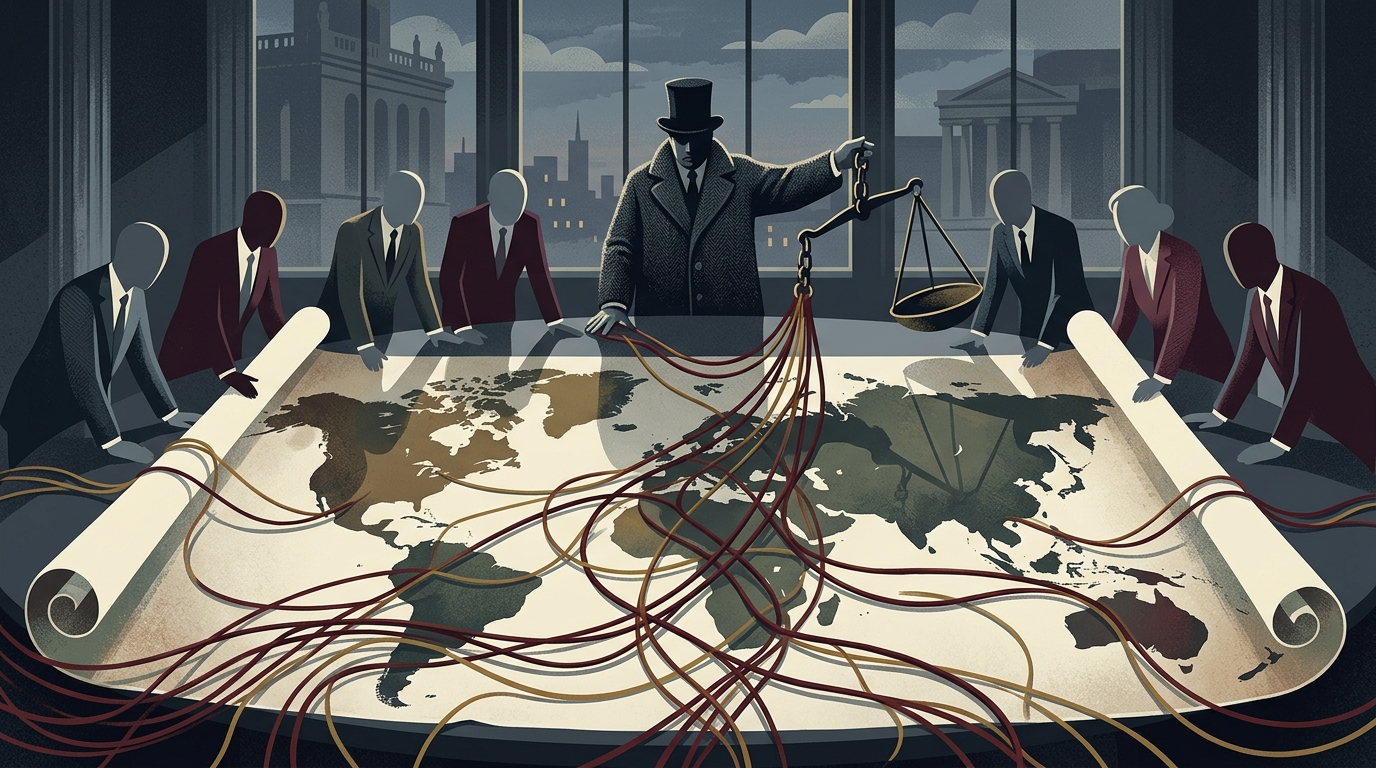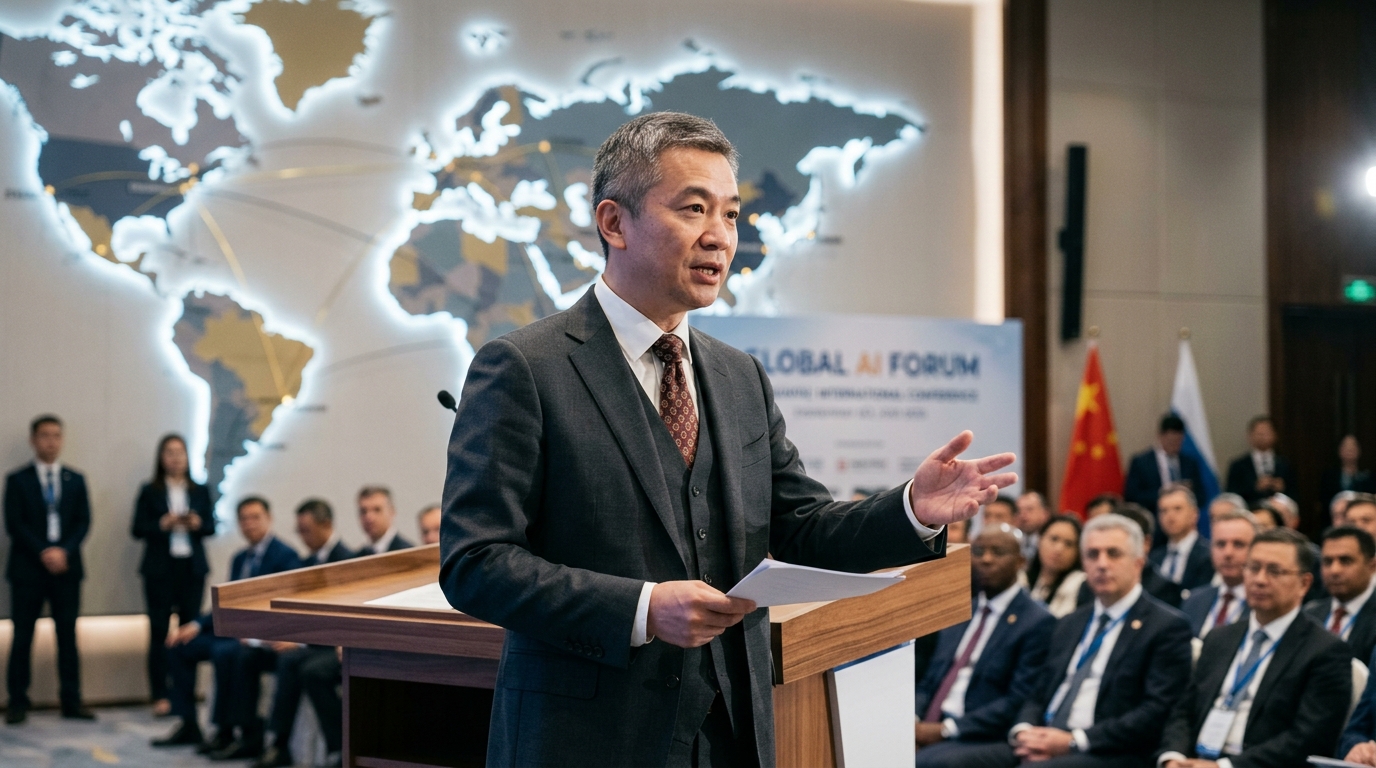
For decades, the prevailing narrative in Silicon Valley cast China as a perennial "copycat"—a nation capable of scaling existing ideas but fundamentally lacking in original innovation. However, the recent emergence of DeepSeek, a Hangzhou-based AI lab, has shattered that stereotype with a thunderous impact. China’s strategic pivot toward open-source AI is not merely a technical preference; it is a sophisticated geopolitical maneuver designed to dismantle American hegemony in the artificial intelligence sector.
Necessity as the Mother of Innovation
Strict US export controls on advanced semiconductors, such as Nvidia’s H100 cards, were intended to stifle Chinese AI development. Instead of stagnation, these sanctions acted as a catalyst for a radical new approach. DeepSeek, with its V3 and R1 models, proved that algorithmic efficiency can compensate for a lack of raw brute-force computing power. By utilizing Mixture-of-Experts (MoE) architectures and innovative training methodologies, Chinese researchers achieved GPT-4 level performance at a fraction of the cost and resource consumption.
This shift toward "frugal AI" is a direct response to the silicon blockade. When access to unlimited GPU clusters is denied, developers are forced to write superior code. China is betting that the future of AI belongs not to those with the most chips, but to those who can deliver high-level intelligence with the lowest energy and financial overhead.
Open Source as a Geopolitical Weapon
Why is China choosing to "give away" its technology through open-source models? The answer lies in the concept of "technological sovereignty." By offering powerful models for free, China is drawing developers worldwide—particularly from the Global South—into its technological ecosystem. This creates a de facto reliance on Chinese standards and architectures, effectively undermining the closed-wall models of OpenAI and Google.
- Erosion of Western Standards: As more organizations build their applications on Chinese foundations, Western embargoes lose their efficacy.
- Accelerated Domestic Growth: The global open-source community fixes bugs and suggests improvements, providing China with free R&D from thousands of international developers.
- Soft Power Projection: China presents itself as the "democratizer" of technology, contrasting its approach with the "rent-seeking" behavior of American tech giants.
This strategy mirrors the rise of Android against iOS, but with far higher stakes. In a world where AI will form the backbone of both economy and national defense, the entity that controls the underlying code controls the future.
The Internal Contradiction: Control vs. Freedom
Despite DeepSeek’s success, Beijing faces a unique dilemma. Open-source philosophy is built on the free flow of information, whereas the Chinese Communist Party requires absolute control over content. AI models must be aligned with "socialist core values," a requirement that often hampers creativity or accuracy when dealing with sensitive political topics.
"The challenge for Beijing is to allow AI to be smart enough to win the global market, but obedient enough not to threaten internal stability," notes a senior technology analyst.
This balancing act will determine if China’s bet pays off in the long run. If Chinese open-source models are perceived as "censored" or unreliable by the international community, their influence may be capped. However, for many nations seeking affordable and accessible AI without Washington’s political strings attached, the Chinese offering is becoming increasingly irresistible.
Conclusion: The New Cold War Architecture
DeepSeek’s move signals the end of American exclusivity at the AI frontier. China is no longer just trying to catch up; it is trying to change the rules of the game. Open source is its Trojan Horse in a global market starving for computational intelligence. As we progress through the mid-2020s, the competition will not just be about flops and tokens, but about the ability to build alliances through code. Silicon Valley should be worried—not because China is copying them, but because China is outmaneuvering them in strategic flexibility.