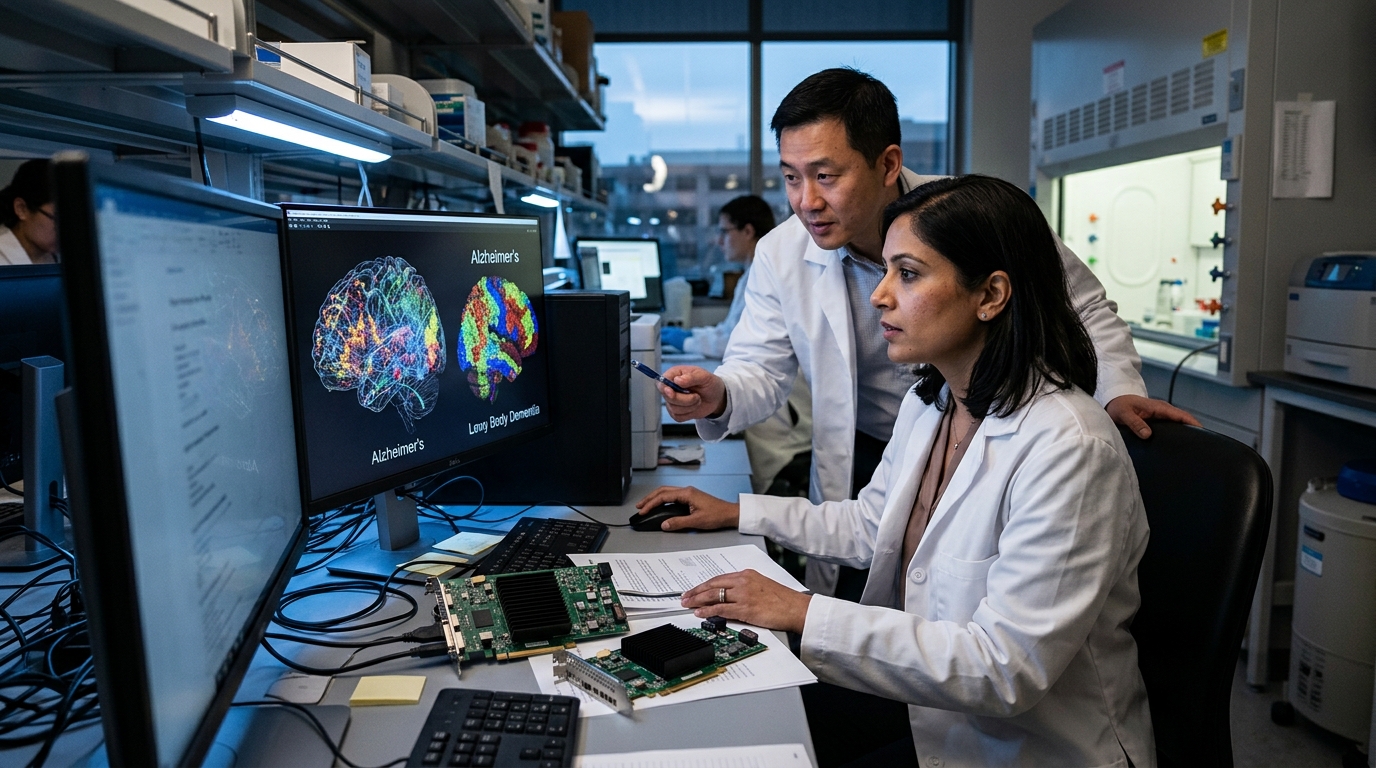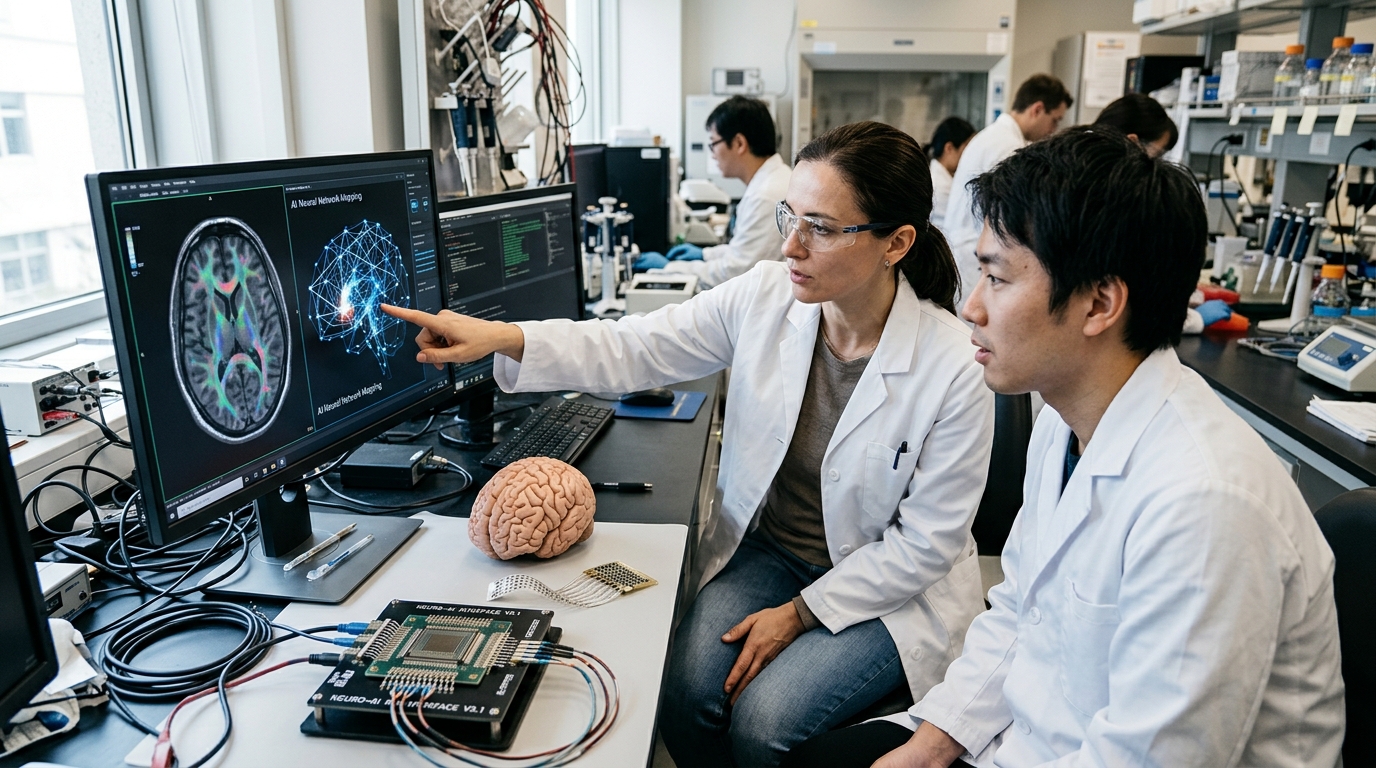
The human mind has always been the final frontier of scientific understanding. Despite decades of research, the brain remained a "black box," with the connections of its 86 billion neurons posing a puzzle too complex for traditional analytical methods. However, the recent explosion in Artificial Intelligence (AI) development is radically altering the landscape of neurotherapeutics, offering tools that can not only map but also predict and treat complex brain disorders.
Decoding the Neural Chaos
The primary challenge in studying the brain is the sheer volume and complexity of the data. A simple MRI or EEG produces millions of data points that the human mind cannot process in real-time. This is where machine learning steps in. Deep Learning algorithms have the ability to identify patterns in noisy data, allowing scientists to "read" neural activity with unprecedented precision.
According to recent reports featured in EurekAlert!, research teams are now using AI models to decode signals from the motor cortex, translating thoughts into movement for paralyzed patients. Brain-Computer Interfaces (BCIs) are no longer science fiction. Through AI, the speed of translating neural signals into digital commands has increased exponentially, enabling individuals with Amyotrophic Lateral Sclerosis (ALS) to communicate at speeds approaching natural speech.
The Battle Against Neurodegeneration
Beyond restoring movement, AI is emerging as a catalyst in addressing Alzheimer’s, Parkinson’s, and multiple sclerosis. Drug discovery for the brain is traditionally a slow and expensive process, largely due to the blood-brain barrier, which prevents most substances from reaching their target.
Generative AI models are now being used to design new molecules that can penetrate this barrier more effectively. Furthermore, AI analyzes biomarkers from simple blood tests or even a patient's speech patterns, allowing for the diagnosis of neurodegenerative diseases up to a decade before clinical symptoms appear. This "predictive neurology" shifts the focus from damage control to prevention and early intervention.
Precision Psychiatry: The End of Trial and Error
Another field undergoing transformation is mental health. Selecting the right antidepressant treatment often relies on a trial-and-error process that can take months. AI, by analyzing data from functional MRI (fMRI) scans and genetic profiles, can now predict which medication or therapeutic approach will be effective for a specific patient.
- Personalized Dosing: Algorithms that adjust medication based on individual brain metabolism.
- Digital Phenotyping: Using smartphone data to detect relapses in patients with bipolar disorder.
- Neurofeedback: AI systems that train the brain to self-regulate in cases of anxiety or ADHD.
Ethical Challenges and the Issue of Neuro-privacy
Despite the excitement, the convergence of AI and the brain gives rise to serious ethical questions. If an algorithm can predict our intentions or analyze our deepest thoughts, where does privacy end? The concept of "neurorights" is already being discussed internationally, with countries like Chile incorporating neuro-protection into their constitutions.
"We are not just unlocking the secrets of the brain; we are creating the tools that could potentially reshape it. Our responsibility is to ensure that this technology remains in the service of healing, not control," says a leading researcher in the field.
In conclusion, the use of AI in neurotherapeutics is not merely a technological upgrade but a paradigm shift. As we move toward 2030, our ability to treat the brain will depend less on the scalpel and more on code. The challenge remains to balance innovation with human dignity.