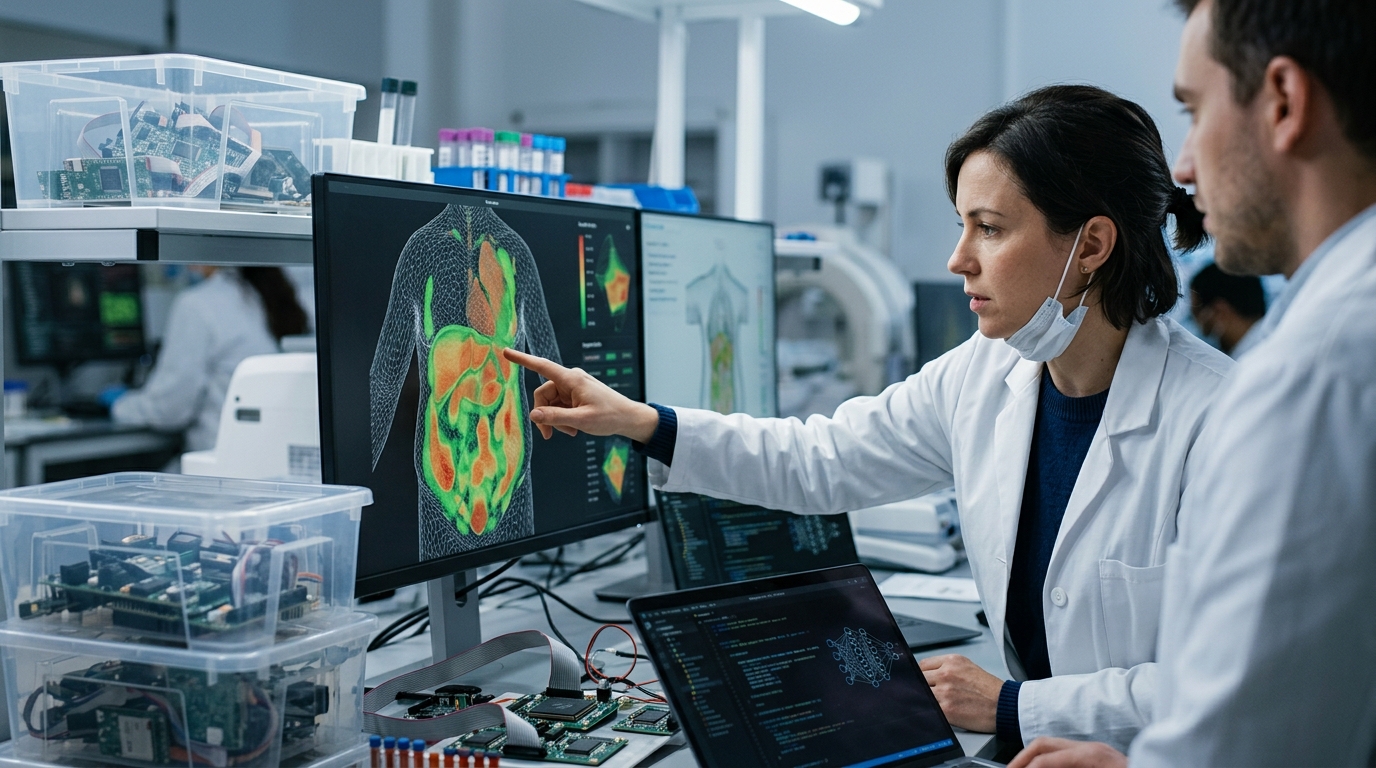
The battle against cancer is entering a new, critical phase. While medical advancements have significantly improved survival rates over the past decades, new challenges are emerging. According to recent analyses from the NIHCM (National Institute for Health Care Management), there is an alarming increase in cancer cases among individuals under the age of 50, particularly regarding colorectal and breast cancers. In this shifting landscape, Artificial Intelligence (AI) is no longer a future promise but an essential tool on the front lines of diagnosis and treatment.
The New Reality of Early-Onset Cancer
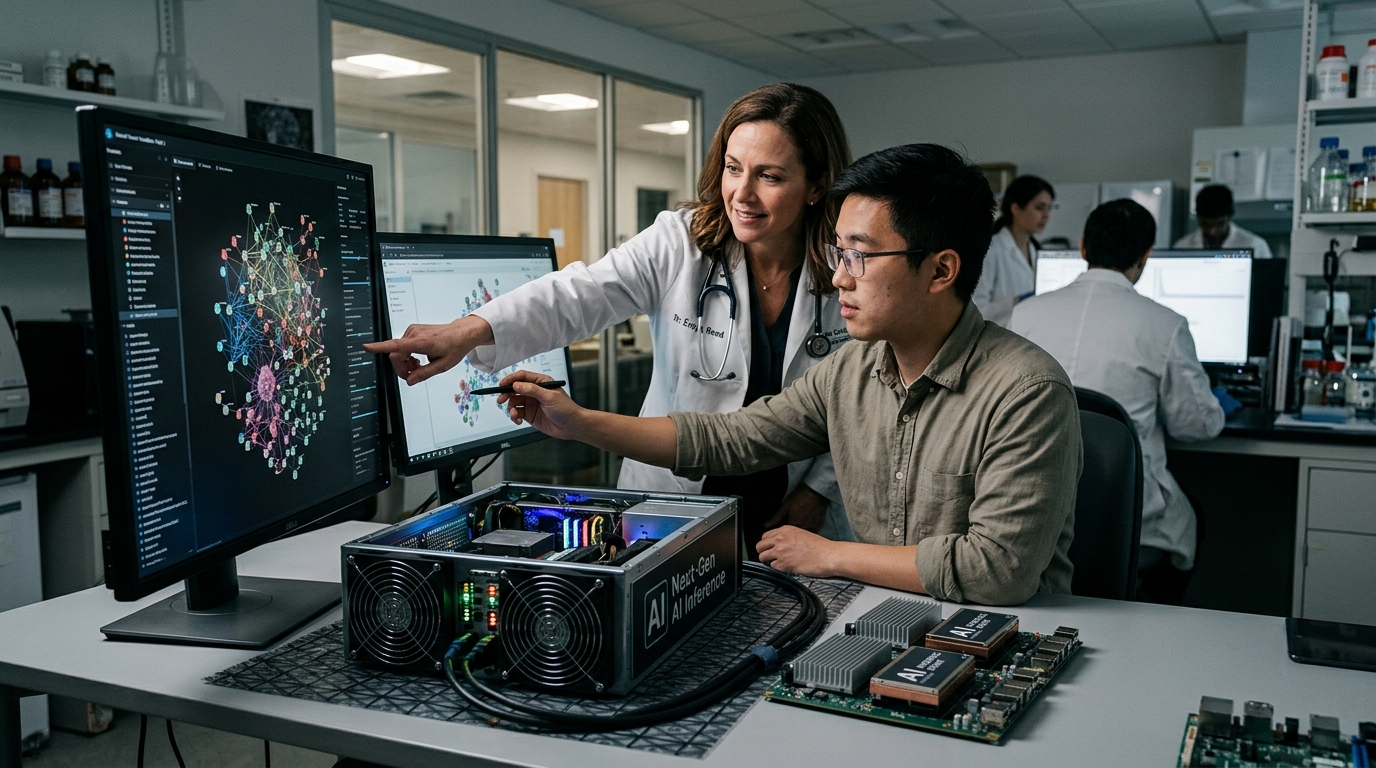
Traditional screening strategies have often relied on age as the primary risk factor. However, the shift in cancer epidemiology toward younger populations demands a more dynamic approach. AI has the potential to analyze vast datasets from electronic health records, genetic information, and lifestyle factors to identify high-risk individuals long before symptoms appear. The ability of machine learning algorithms to recognize subtle patterns that elude the human eye is crucial for early intervention.
- Genomic data analysis for personalized prevention strategies.
- Identification of environmental factors contributing to the rise in cases.
- Optimization of screening protocols for younger age groups.
Revolutionizing Diagnostic Precision
Radiology and pathology are the fields where AI has made the most immediate impact. Computer-Aided Diagnosis (CAD) systems use deep learning to analyze mammograms, CT scans, and histological slides with a speed and accuracy that often surpasses experienced clinicians. For instance, in lung cancer cases, algorithms can distinguish between benign and malignant nodules with extraordinary detail, reducing unnecessary biopsies and patient anxiety. Furthermore, AI enables "liquid biopsy"—the analysis of blood samples to detect tumor DNA—a method that promises non-invasive monitoring of disease progression.
"Artificial Intelligence will not replace the oncologist, but the oncologist who uses AI will replace the one who does not," industry experts often remark, highlighting the importance of the human-machine partnership.
Ethical Dilemmas and Accessibility
Despite the technological triumphs, integrating AI into healthcare carries significant challenges. The quality of algorithms depends directly on the data they are trained on. If this data is not representative of the entire population, there is a risk that the algorithms will exhibit bias, leading to less accurate diagnoses for specific racial or ethnic groups. Moreover, the cost of implementing these technologies remains high, raising questions about equity in access. Will AI be a privilege of wealthy healthcare systems or a tool for democratizing care worldwide? The answer requires a strict regulatory framework and transparency in development processes.
The Future of Treatment: Toward Absolute Personalization
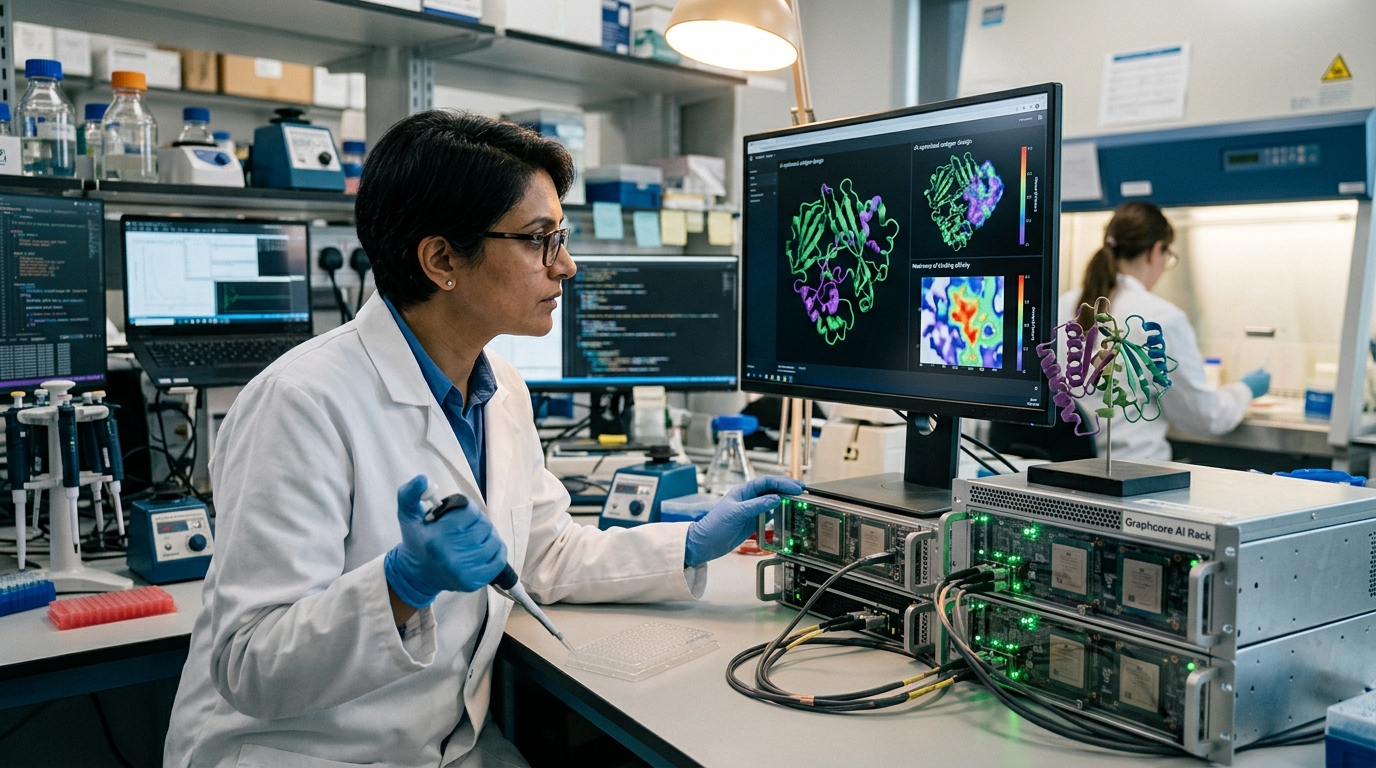
AI does not stop at diagnosis. In the therapeutic field, it assists in designing personalized chemotherapy and immunotherapy regimens. By simulating the response of cancer cells to different drugs, physicians can select the active substance with the highest probability of success and the fewest side effects for a specific patient. This "precision medicine" approach is transforming cancer from a potentially fatal disease into a manageable chronic condition. As we move through 2026 and beyond, the convergence of biotechnology and informatics will be the catalyst for victory against the most aggressive forms of the disease.