The heart, the tireless engine of human existence, is currently at the center of a technological renaissance. As we move through 2026, the convergence of cardiology and Artificial Intelligence (AI) is no longer a science fiction scenario but a daily clinical reality saving lives. Centered around leading research institutions such as the University of Pittsburgh Medical Center (UPMC), the medical community is witnessing a fundamental paradigm shift: from reactive treatment to proactive, personalized care.
The Power of Prediction: Beyond the Human Eye
Traditional diagnosis of heart disease has relied for decades on the interpretation of electrocardiograms (ECGs) and imaging tests by experienced physicians. However, AI introduces a new dimension of precision. Deep learning algorithms are now capable of identifying subtle patterns in data that are impossible for the human eye to discern. For example, an AI model can analyze a seemingly "normal" ECG and predict with impressive accuracy the likelihood of developing atrial fibrillation or heart failure within the coming months.
This ability to "predict the future" allows doctors to intervene long before a critical episode occurs. In Pittsburgh, researchers are using neural networks to analyze millions of heartbeats from wearables, turning the Apple Watch or Fitbit into a sophisticated medical monitoring tool. AI does not wait for the symptom; it preempts it, reshaping public health strategy. This shift from diagnostic to prognostic medicine represents the greatest leap in cardiovascular science in the last fifty years.
Imaging and Robotics: The Surgical Precision of Tomorrow
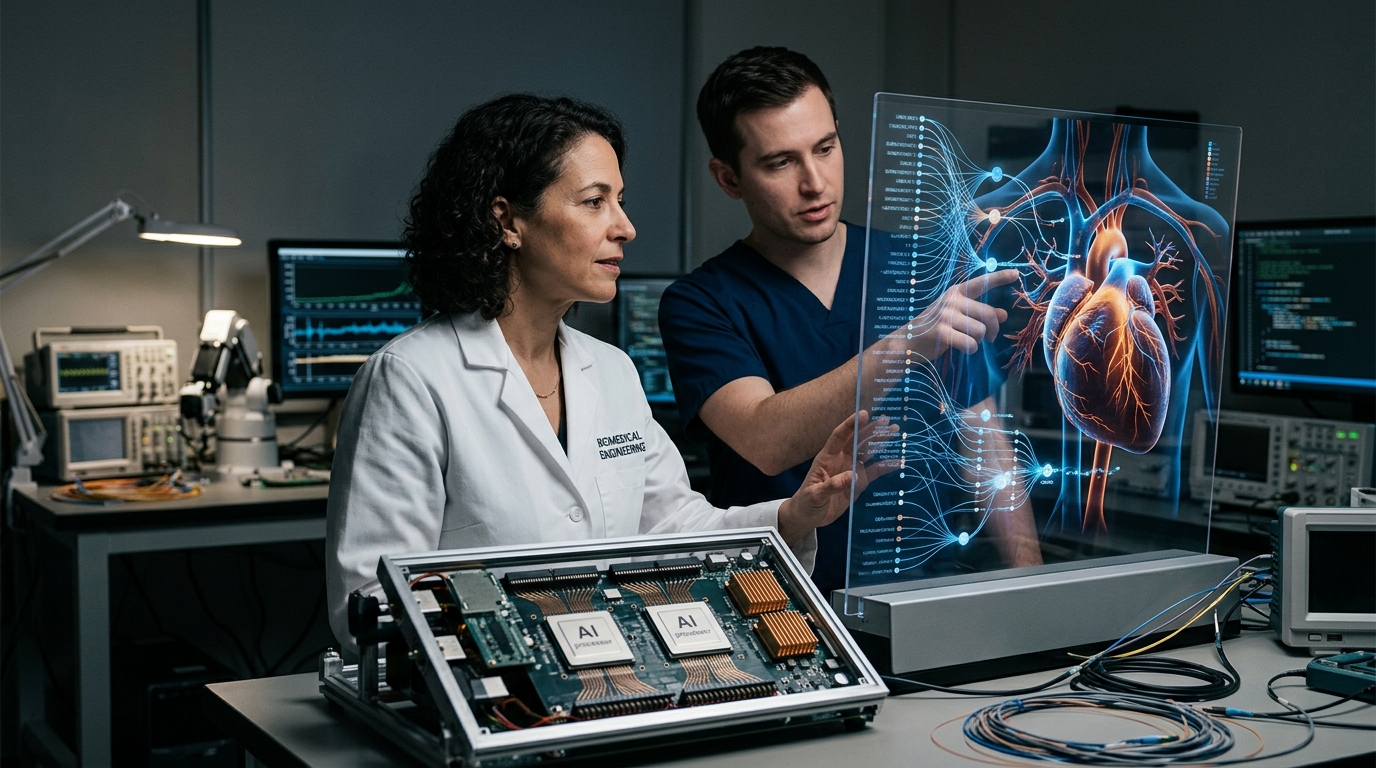
AI's contribution extends to the operating table. The processing power of modern systems allows for real-time 3D reconstruction of a patient's heart, guiding surgeons with absolute precision during complex procedures such as valve replacements. Furthermore, AI-supported robotic systems can compensate for the slightest tremor of the human hand, making surgeries less invasive and drastically reducing recovery times.
In the field of echocardiography, AI automates measurements that previously took time and were prone to human error. This not only speeds up the process in emergency rooms but ensures that every patient receives the same level of diagnostic quality, regardless of the experience of the technician performing the exam. The democratization of specialized knowledge is perhaps the most significant social contribution of this technology, bridging the gap between rural clinics and metropolitan medical centers.
Challenges, Ethics, and the Road Ahead
Despite the excitement, integrating AI into cardiology is not without challenges. The "black box" issue—the difficulty of understanding how an algorithm arrived at a specific diagnosis—causes skepticism among some in the medical community. Furthermore, the protection of personal health data remains a burning issue, as algorithms require vast amounts of data to be trained effectively. There is also the risk of algorithmic bias, where models trained on specific populations may not perform as well for others.
However, the future looks bright. AI is not here to replace the cardiologist but to liberate them from bureaucracy and routine data analysis, allowing them to focus on what the machine cannot provide: human contact, empathy, and moral judgment. The heart of the future will beat with the help of silicon, but its care will remain a deeply human affair. As these technologies mature, the hope is that deaths from cardiovascular disease, which remain the leading cause of death worldwide, will decrease dramatically, granting more and higher-quality years of life to citizens across the globe.